
Last updated September 23, 2026
Whole-system duct and dryer vent check with before-and-after photos - you see exactly what came out of your vents
That "$99 whole-house special" is a bait ad - the real number appears once they are in your hallway, or the "clean" is a shop-vac at the register. We photograph the inside of your ducts before and after instead.
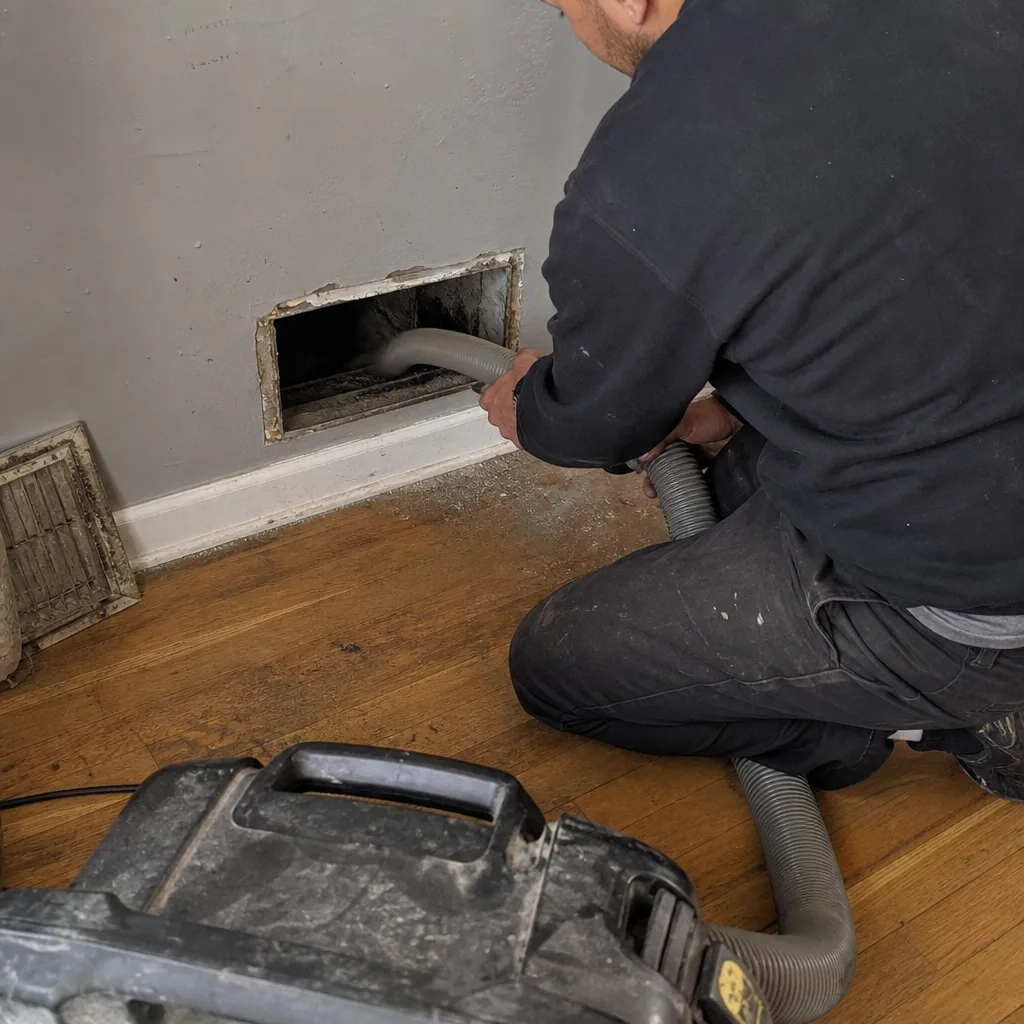 Before
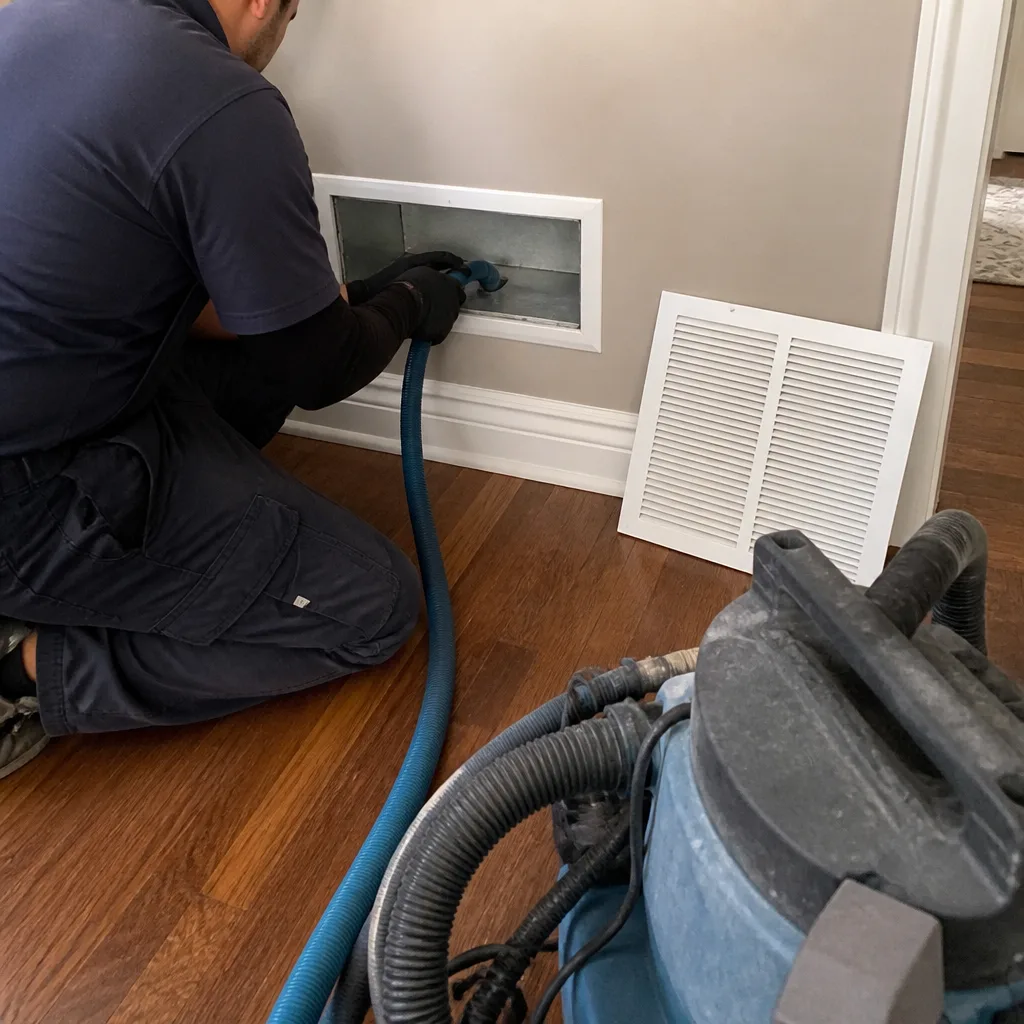 After
After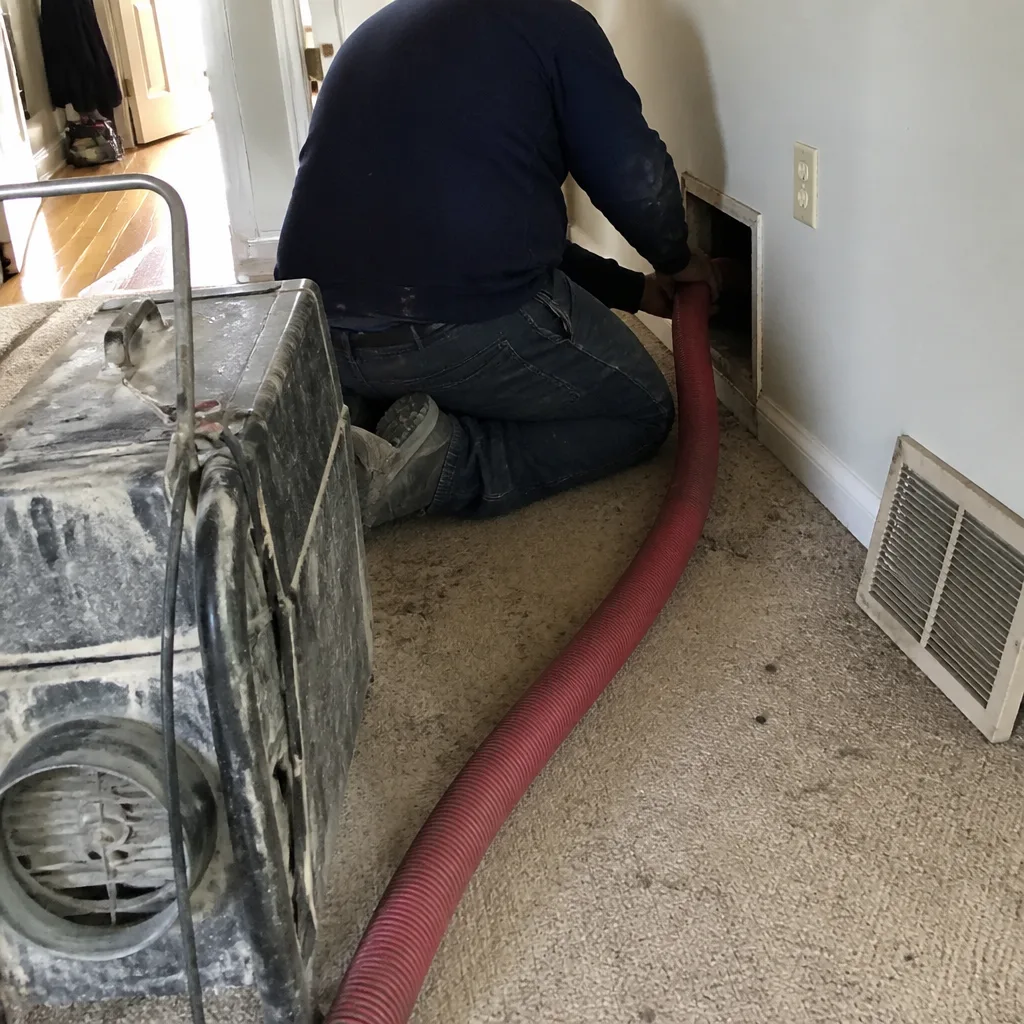 Before
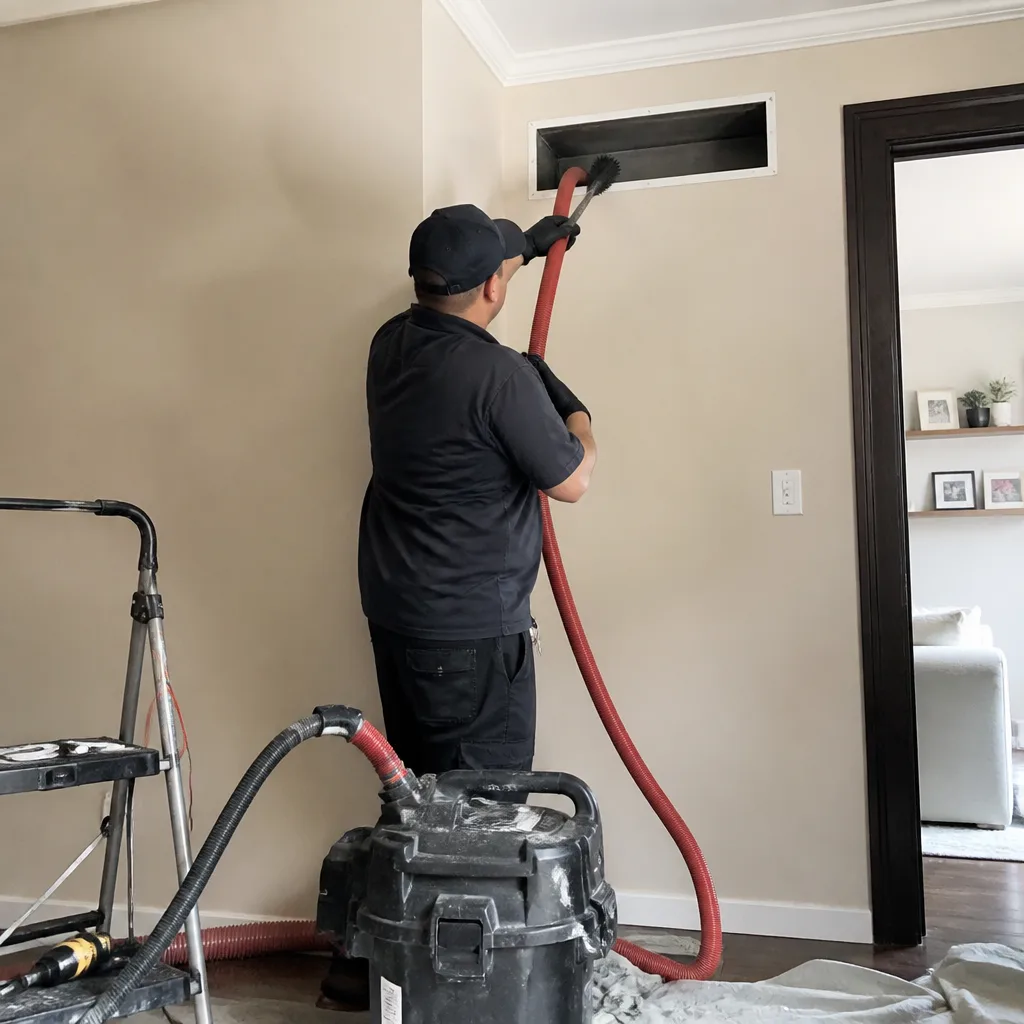 After
After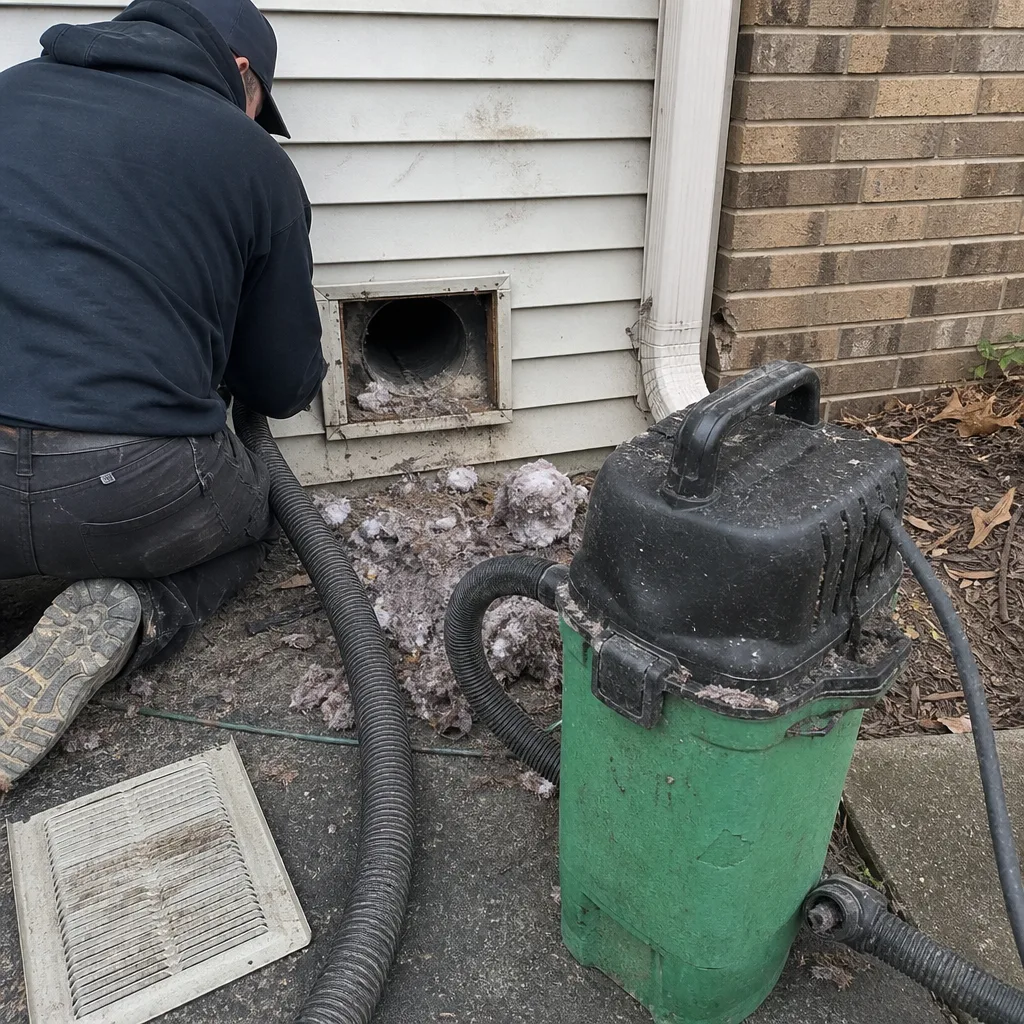 Before
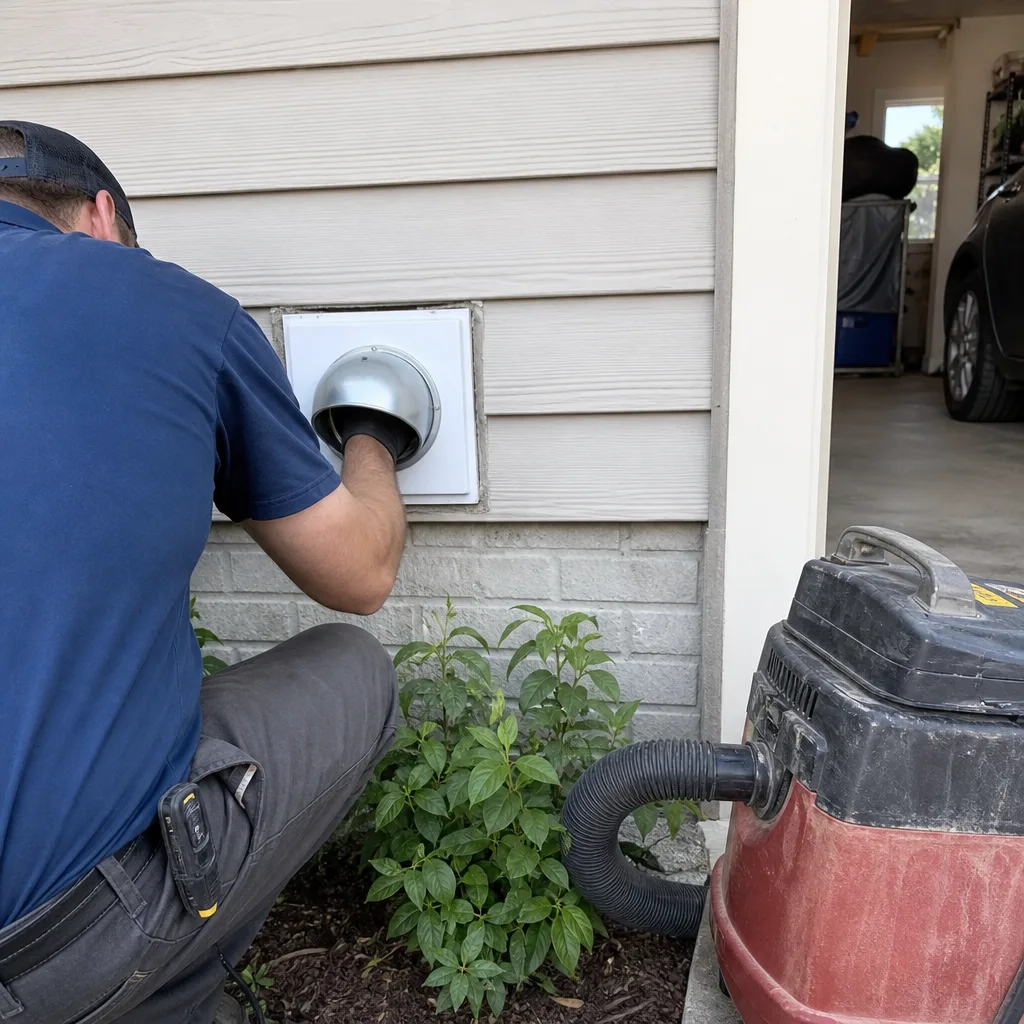 After
AfterSeasonal Air Duct Cleaning Care for Schaumburg: Year-Round Homeowner’s Guide
The worst time to discover mold growth on your return air duct liner is August, when Schaumburg hits its peak humidity and your air handler has been recycling that air through the system for six weeks since you last opened a register. Most homeowners here think of duct cleaning as a one-and-done service, or something you schedule after a renovation. But northeastern Illinois throws four distinct contamination windows at your ductwork every year, and each season deposits something different inside your plenum (the main distribution box connected to your furnace). In this guide, we’ll map what actually accumulates in Schaumburg ducts from March through February, what specific warning signs to watch for, and what action belongs on your calendar each month. For more guides & resources, explore our blog.
Quick Answer
Seasonal air duct cleaning in Schaumburg means matching maintenance to four distinct climate phases: spring inspection for winter debris and pest activity, summer monitoring for condensation and mold in unconditioned spaces, fall cleaning before heating season to remove accumulated particulates, and winter MERV filter management to control dust re-suspension during long furnace cycles. Most Schaumburg homes benefit from professional duct cleaning every 2-3 years, with seasonal inspections in between.
Table of Contents
- Spring: What Winter Left Behind
- Summer: Humidity, Condensation, and Mold Risk
- Fall: Pre-Heating Season Preparation
- Winter: Dry Air, Static, and Filter Load
- Month-by-Month Action Calendar
- What Professional Equipment Actually Does
- Common Mistakes to Avoid
- When to Call a Professional
- Frequently Asked Questions
BeforeAfterSpring: What Winter Left Behind
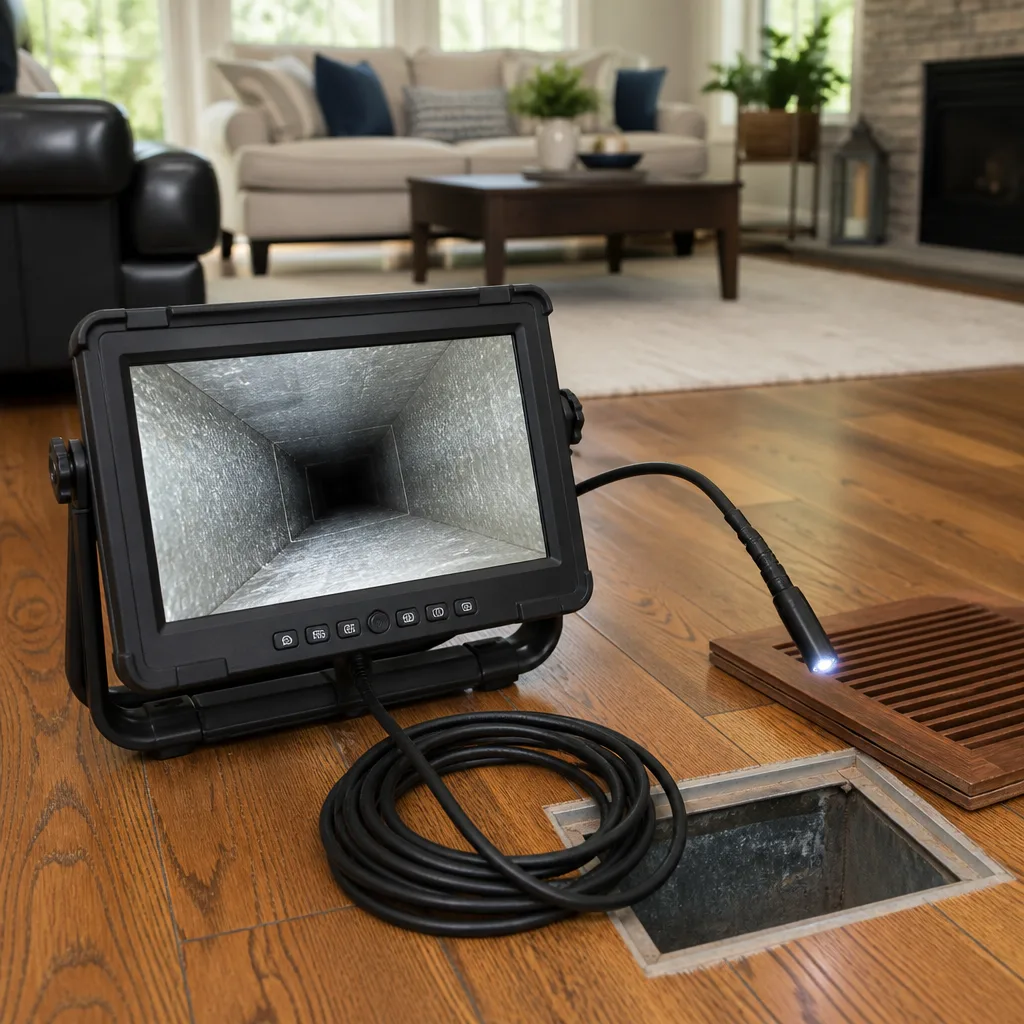
March and April in Schaumburg bring thawing ground and the first chance to inspect what accumulated during five months of sealed-house living. We start spring jobs in neighborhoods like Weathersfield and Sheffield Park by pulling the first register cover and running a borescope camera. What we typically find is a layered deposit: fine particulates from continuous furnace operation, skin cells and textile fibers concentrated in bedrooms where humidity stayed low, and in roughly one of every four homes we inspect, evidence of rodent or insect activity that started in the cold months.
The heating season in Schaumburg runs from October through April most years. During that stretch, the average furnace cycles on 3-5 times per hour, moving the entire volume of your home’s air through the return ducts, across the heat exchanger, and back out the supply runs. Every cycle pulls a small load of particulates into the system. By March, that accumulation is measurable. In a 2019 job on Hastings Drive, our camera showed a 2.5-inch debris build-up at the first elbow of the main return trunk. The homeowners had changed their filter monthly, but standard 1-inch fiberglass filters capture only the largest particles. Everything smaller, which is most of what you see in sunlight through a window, passes through and deposits on duct walls.
Spring is also when we find the most pest-related contamination. Mice enter duct systems through gaps where lines pass through exterior walls or through the foundation sill plate. In Schaumburg’s older subdivisions, particularly those built before 1990, we’ve found nesting material in the plenum and droppings concentrated at low points where duct runs sag. This isn’t a cleanliness issue; it’s a building envelope issue that becomes a duct contamination issue.
What to do in spring:
- Remove and visually inspect two registers: one on the main floor near the return air grille, and one in a second-floor bedroom. Use a flashlight and a phone camera on selfie mode to see around the first bend. Look for dark staining, debris accumulation, or any musty odor when the system first starts.
- Check your filter slot for gaps. Light leaking around a poorly fitted filter means unfiltered air is bypassing the media entirely.
- Schedule a professional inspection if you see debris beyond a light dusting, or if anyone in the home has experienced increased allergy symptoms since January. A documented photo record, like the one CleanRun delivers on every visit, lets you compare year over year.
Spring pricing in the Schaumburg market typically runs $380-$520 for a complete residential system cleaning, depending on the number of duct runs and whether the home has a basement or crawlspace configuration. Air Duct Cleaning in Schaumburg through CleanRun includes the full documented photo record and is quoted with a written price before any work starts, under Haven Standard Clause 1.
Summer: Humidity, Condensation, and Mold Risk
Schaumburg’s summer dew point averages in the mid-60s from June through August, with July peaks that push into the low 70s. That moisture loads the air your air conditioner is trying to cool, and it creates a specific risk in homes with duct runs in unconditioned attics or crawlspaces.
Here’s the mechanism: when 72-degree conditioned air moves through a metal duct in a 130-degree attic, the duct surface temperature drops below the dew point of the surrounding air. Condensation forms on the exterior. If that water migrates to a joint or seam, or if the duct insulation is compromised, you get wet spots on the interior liner. The paper-faced insulation inside many flex ducts is cellulose-based, which is mold food. In August 2022, we inspected a home in the Salem Square area where the homeowner reported a “wet sock” smell when the AC first cycled on. Our camera showed black spotting on the return duct liner at the attic penetration, and moisture meter readings at 18% on the surrounding insulation. The mold growth was localized but active, and the spores were being distributed through the supply side every time the blower started.
Summer is also when Schaumburg homeowners run window units or keep windows open during cooler nights, then switch to central AC during the day. That temperature swing creates humidity spikes inside the home. Open windows without screens, or screens with gaps, also admit pollen and outdoor mold spores that load the return air stream.
What to watch for in summer:
- Odor on startup: A musty or earthy smell when the AC first runs, especially in the morning, suggests microbial growth somewhere in the system. Clean ducts smell like nothing, or faintly of the filter media.
- Uneven cooling: If one room stays humid while others dry out, check for a disconnected or leaking duct run in the attic. Condensation on the exterior often indicates air leakage on the interior.
- Visible staining on ceiling registers: Dark rings around supply registers can indicate that condensation is forming on the duct boot in the attic and wicking through to the ceiling.
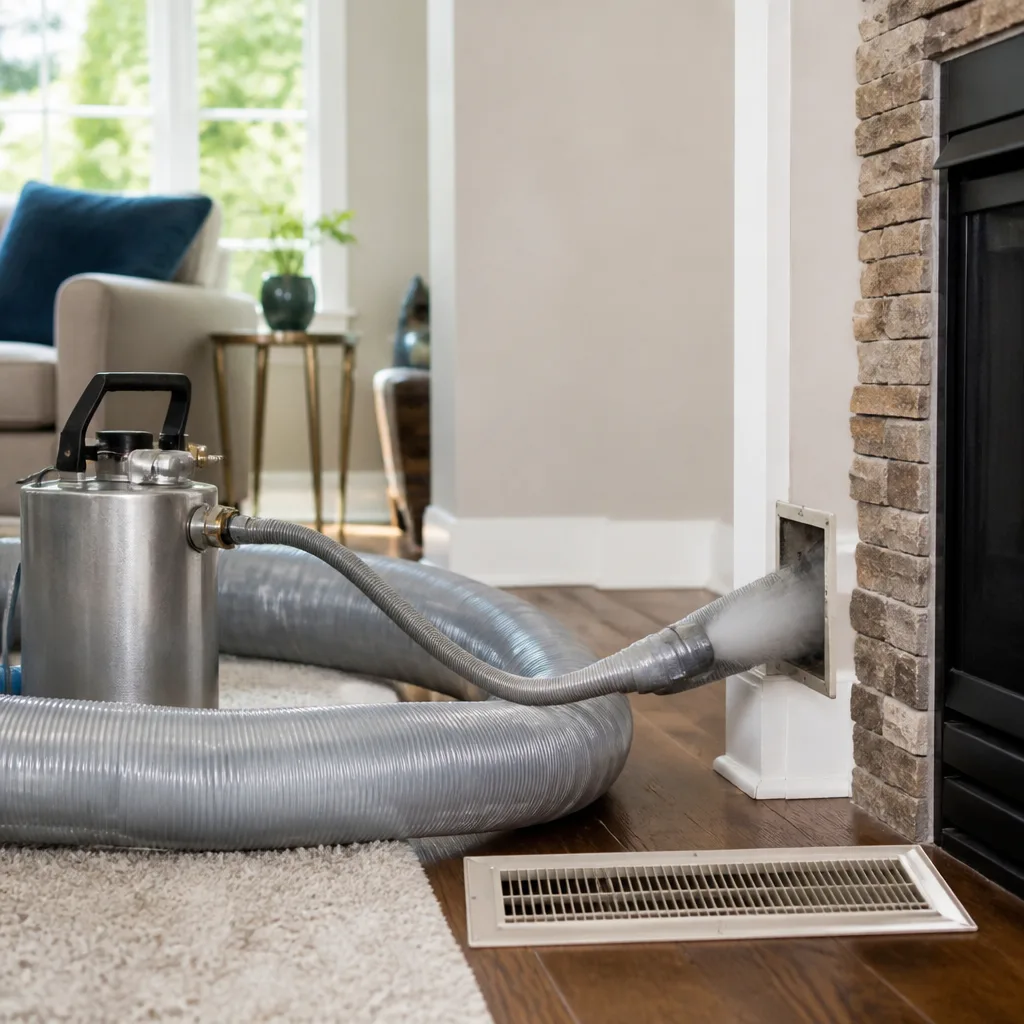
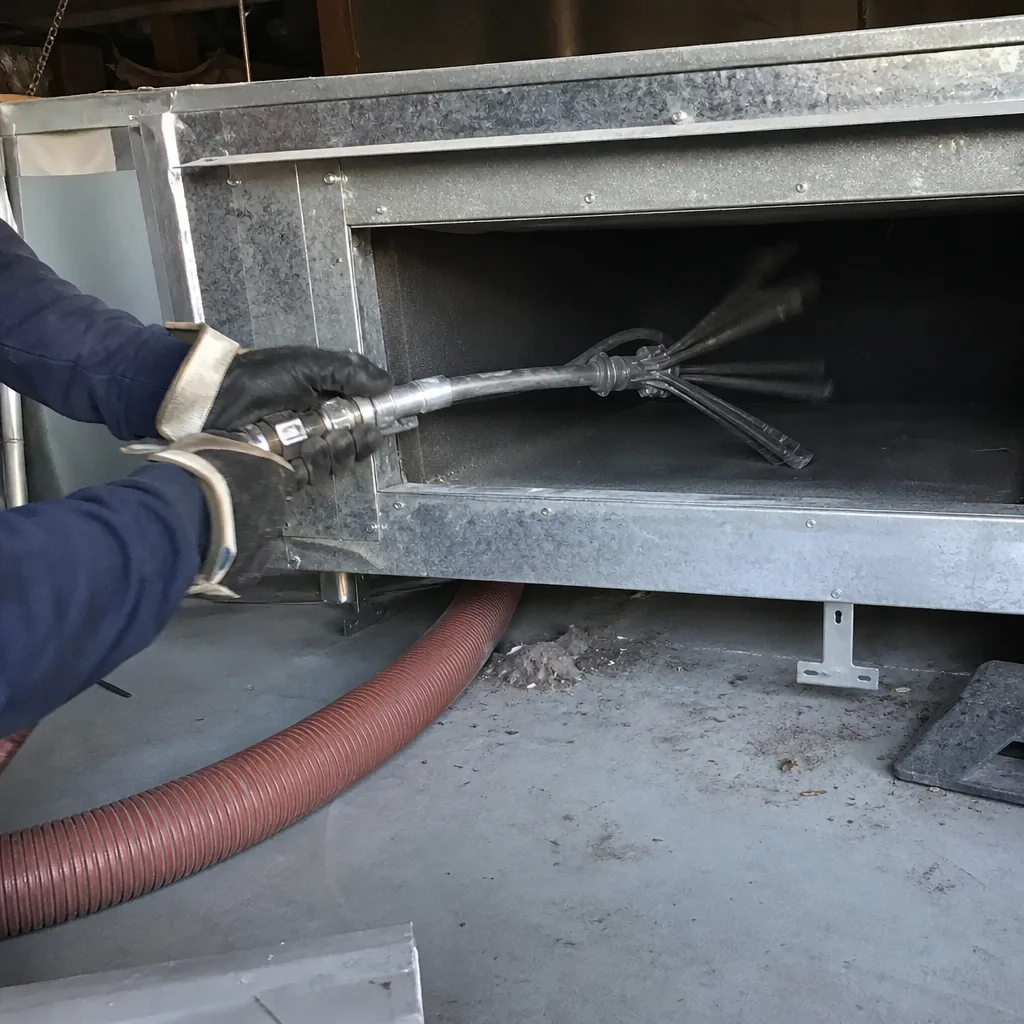
The equipment that addresses summer contamination matters. Negative-pressure extraction systems, like those from Nikro and Abatement Technologies, pull debris and spore-laden material out of the ductwork rather than blowing it around. HEPA-filtered collection ensures what comes out of your ducts doesn’t enter your indoor air. When we quote summer jobs in Schaumburg, we specify the equipment model and include the photo record so you can verify what was removed.
If you’re running your AC continuously through July and August, check your filter monthly. The load is higher than in winter because the system runs longer and the air holds more particulate matter.
Fall: Pre-Heating Season Preparation
September and October in Schaumburg bring open-window weather, and that window brings debris directly into your return air path. Leaves, pollen, and landscaping dust enter through screens and settle in the return grille and the first few feet of ductwork. We see this most clearly in homes backing to wooded areas or with mature oak and maple canopies, which describes much of the neighborhoods west of Meacham Road.
The fall contamination window is shorter than the others, but the timing is critical. Everything that enters your ducts in September gets dried and distributed once the furnace starts in October. A return grille loaded with leaf fragment and pollen becomes a source of continuous particulate injection into your breathing air.
Fall is also when we recommend the pre-heating-season inspection for Schaumburg homes. The reason is practical: if you need cleaning or repair, the work should be complete before the first sustained cold period, which typically arrives in late October. Once the system is running daily, scheduling becomes harder and the urgency feels manufactured. We don’t do urgency. We do scheduling that makes sense.
What fall preparation looks like:
- Remove and vacuum all return air grilles. Wash the covers with mild detergent if they’re sticky with cooking residue or pet dander. The return path is where most debris enters; keeping the grilles clean reduces what reaches the filter.
- Install a fresh filter and note the date on the frame with a marker. For Schaumburg’s heating season, we typically recommend MERV 8-11 for standard systems, and MERV 13 only if your furnace manual specifies the blower can handle the static pressure. Higher isn’t always better; a filter that chokes airflow strains the blower motor and can crack the heat exchanger over time.
- Walk the exterior and check that landscaping is not directing mulch or soil against foundation vents. In homes with crawlspace duct runs, this is a direct path for debris and moisture into the system.
- Schedule duct cleaning if it’s been more than two years, or if you have pets, recent construction, or anyone in the home with respiratory sensitivity. HVAC Cleaning in Schaumburg through CleanRun includes the full system: blower compartment, evaporator coil if accessible, and heat exchanger visual inspection.
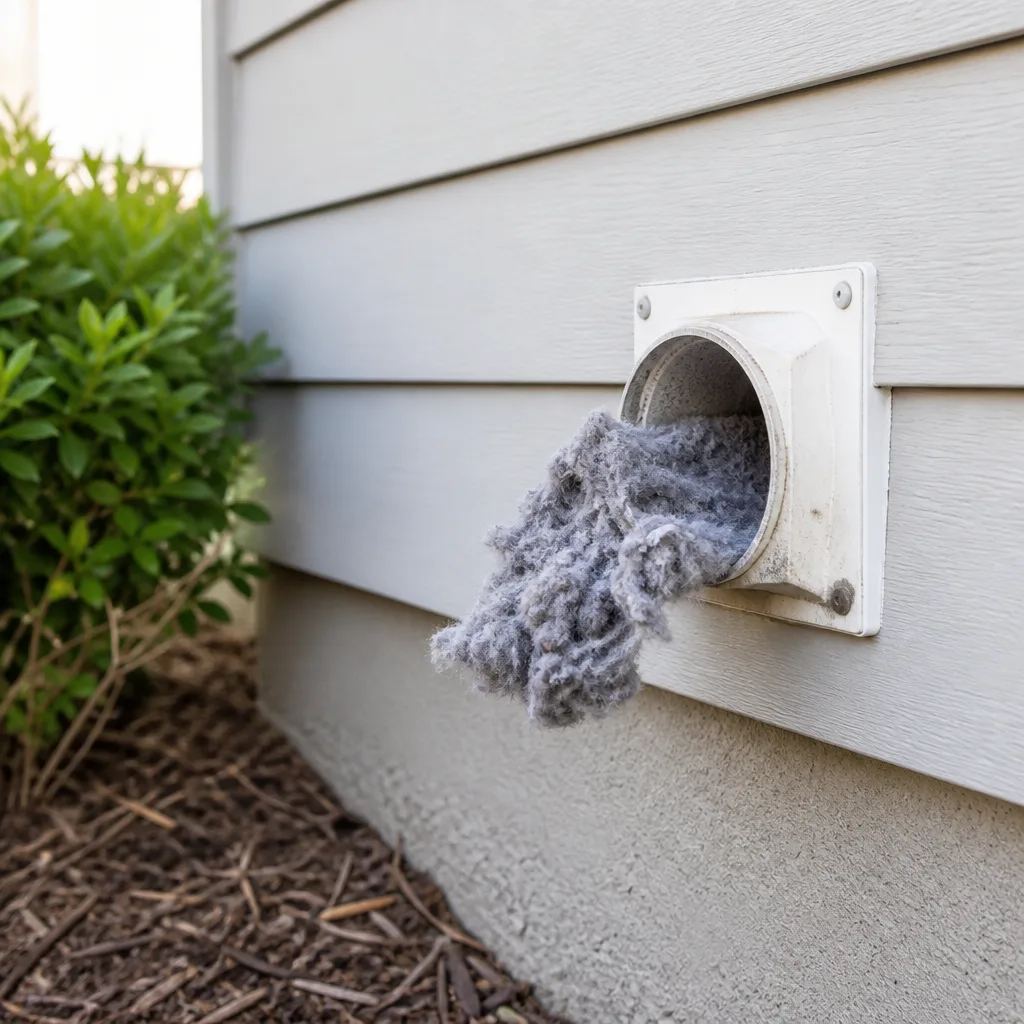
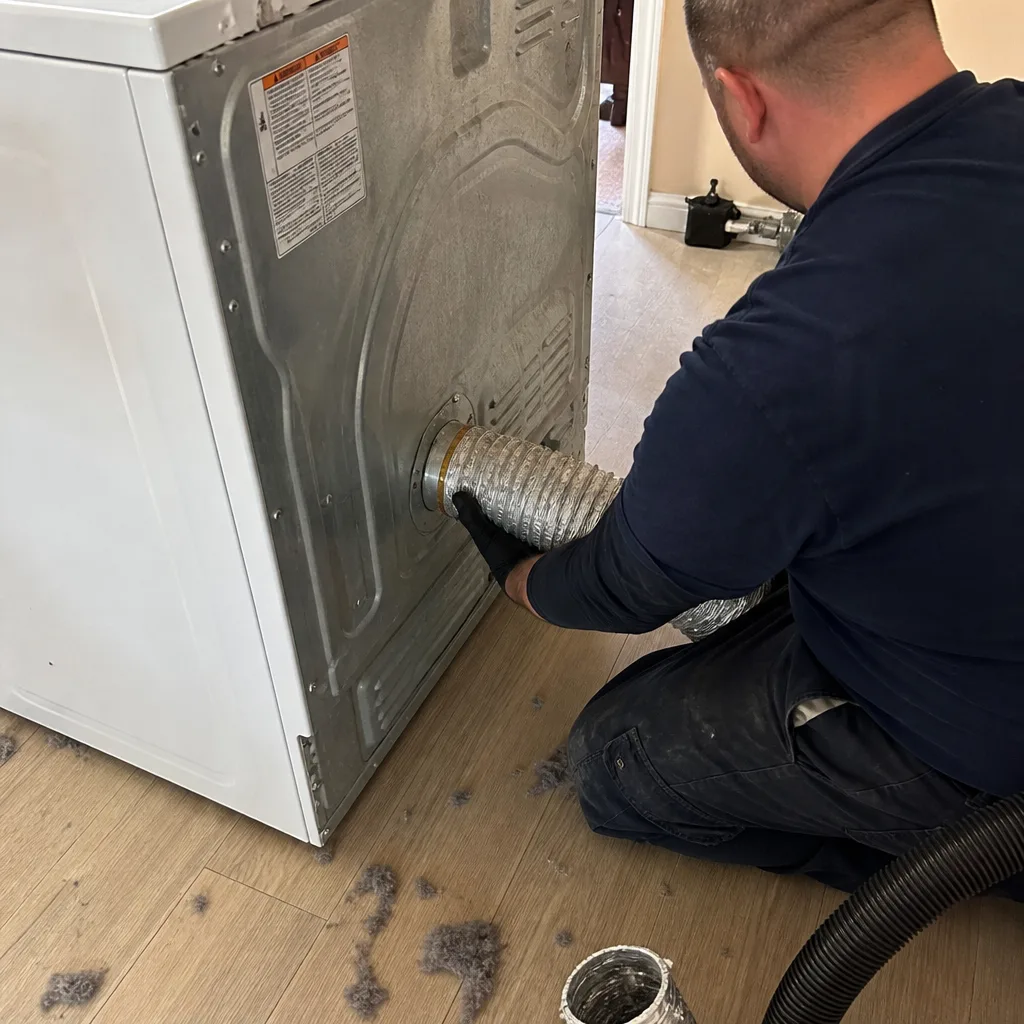
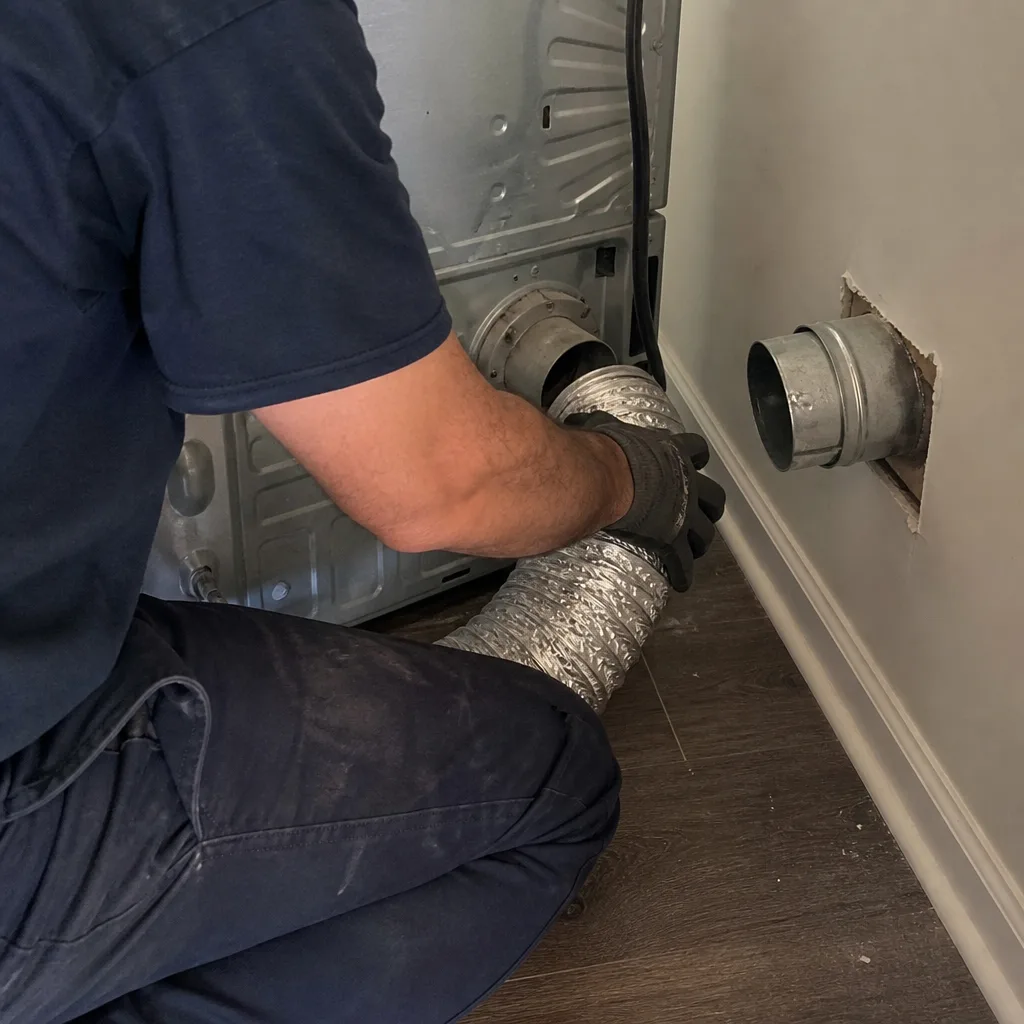
Fall pricing overlaps with spring; there’s no seasonal surcharge. What changes is the mix of services: more dryer vent cleaning appointments, as homeowners prepare for heavier laundry loads, and more requests for Dryer Vent Cleaning in Schaumburg before the holiday cooking and hosting season begins.
Winter: Dry Air, Static, and Filter Load
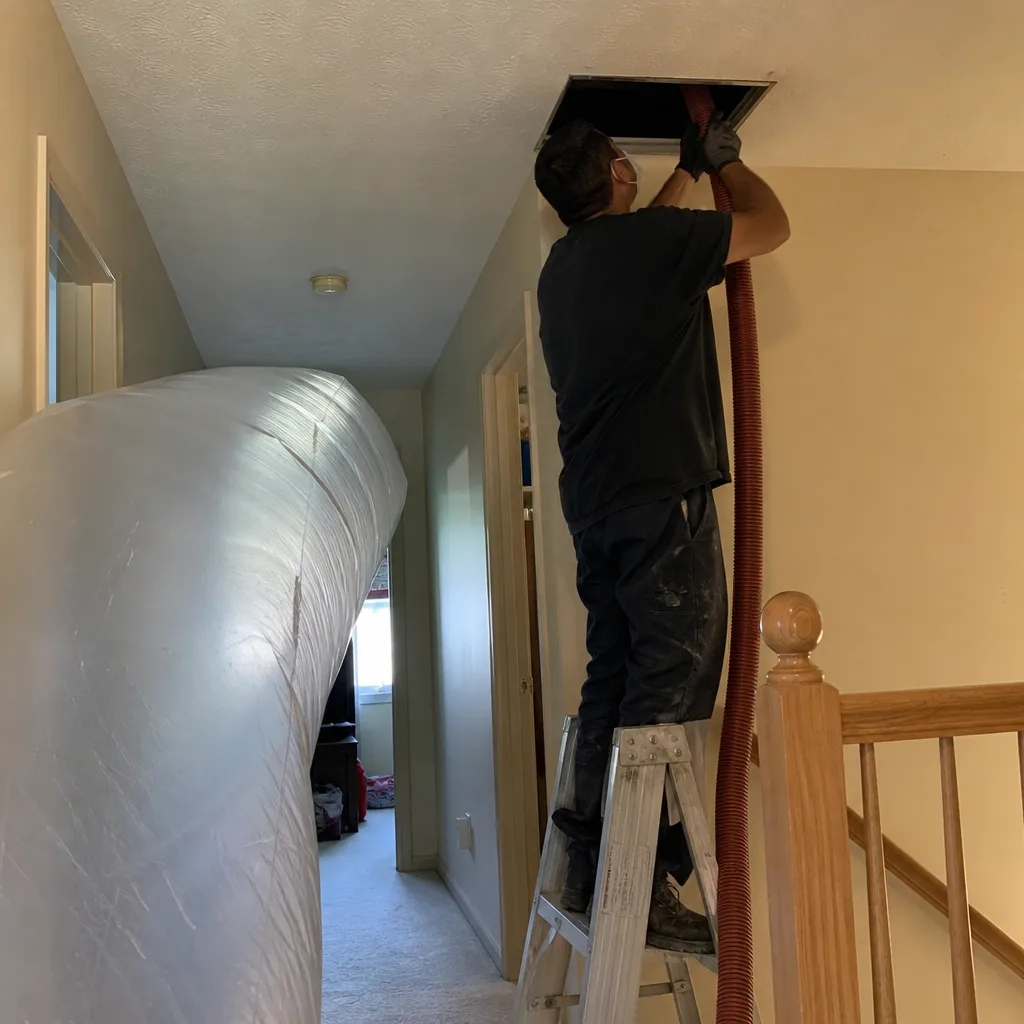
January in Schaumburg averages 22 degrees. Your furnace runs 8-12 hours per day, and the relative humidity inside a sealed home drops to 25-30%. That dry air has effects on your ductwork that most homeowners don’t connect to the system itself.
First, static electricity. Low humidity increases static charge on particles, which makes them adhere to duct surfaces more tenaciously. The debris that was loosely deposited in fall now clings. When the blower cycles on, the initial air surge can re-suspend this material, creating the “dust puff” some homeowners notice when the heat first kicks in. This isn’t new dirt; it’s old dirt that the changed conditions have loosened.
Second, the long run cycles of deep winter move more total air volume than the shorter cycles of milder weather. A furnace that runs 12 minutes per cycle in January moves roughly 40% more air per day than one that runs 8 minutes per cycle in November. That volume translates to more filter loading and more particulate deposition in the ductwork.
Third, winter air in Schaumburg is cold and dense, which means the furnace blower works harder to move it. If your filter is partially loaded, the pressure drop across it increases, and the blower draws more amperage. This is measurable on your electric bill and audible as a change in blower pitch.
Winter maintenance is mostly filter management and humidity control:
- Check the filter every 30 days, not by calendar but by holding it up to a light source. If you can’t see light through it clearly, it’s done. In our experience with Schaumburg homes, January filters load 50-70% faster than May filters.
- Run a humidifier if your system has one, or a standalone unit in the primary living area. Target 35-40% relative humidity. This reduces static, protects woodwork, and makes the air feel warmer at lower thermostat settings.
- Listen for blower changes. A whine, rattle, or change in startup sequence can indicate that the motor is working against excessive resistance. The filter is the first thing to check.
We don’t recommend duct cleaning in the depths of winter unless there’s a specific problem, odor, or visible contamination. The system is running continuously, and the disruption isn’t worth it for routine maintenance. Schedule the work for spring, and use winter to observe and document any issues.
Month-by-Month Action Calendar
Here’s what to tape inside your furnace cabinet door. One line per month, specific to Schaumburg’s climate pattern.
| Month | Action |
|---|---|
| March | Inspect two registers with flashlight; note any debris or odor on startup |
| April | Replace filter after heating season; check filter fit and seal |
| May | Schedule professional inspection if debris noted or allergies persist |
| June | Verify AC condensate drain is clear; check attic duct insulation for gaps |
| July | Monitor for musty odor on AC startup; inspect ceiling registers for staining |
| August | Replace filter; check outdoor condenser for landscaping debris |
| September | Vacuum all return grilles; wash if sticky; note any gaps in screens |
| October | Install fresh filter for heating season; verify MERV rating matches furnace spec |
| November | First heating system check: listen for blower changes, smell for burning dust |
| December | Check filter mid-month; note static electricity levels in home |
| January | Replace filter; verify humidifier operation if equipped |
| February | Final winter filter check; document any issues for spring service call |
What Professional Equipment Actually Does
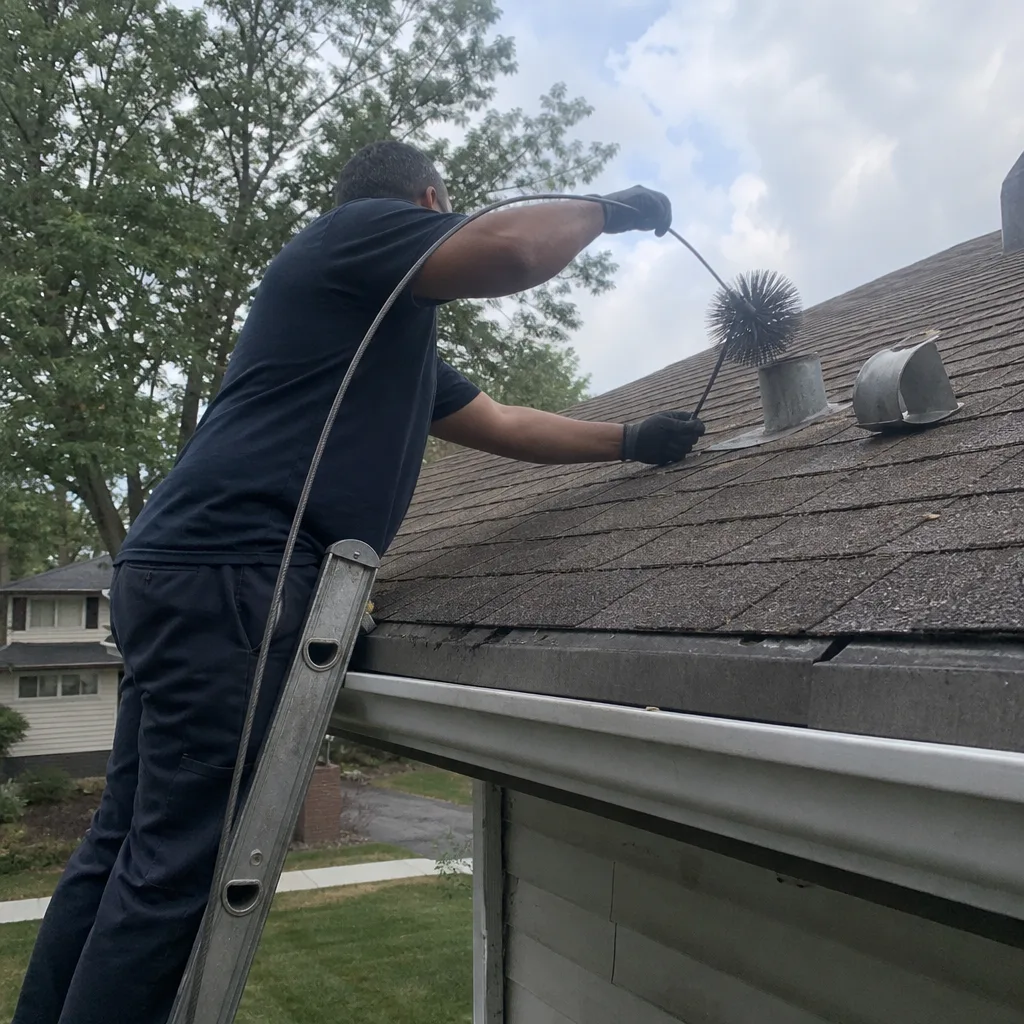
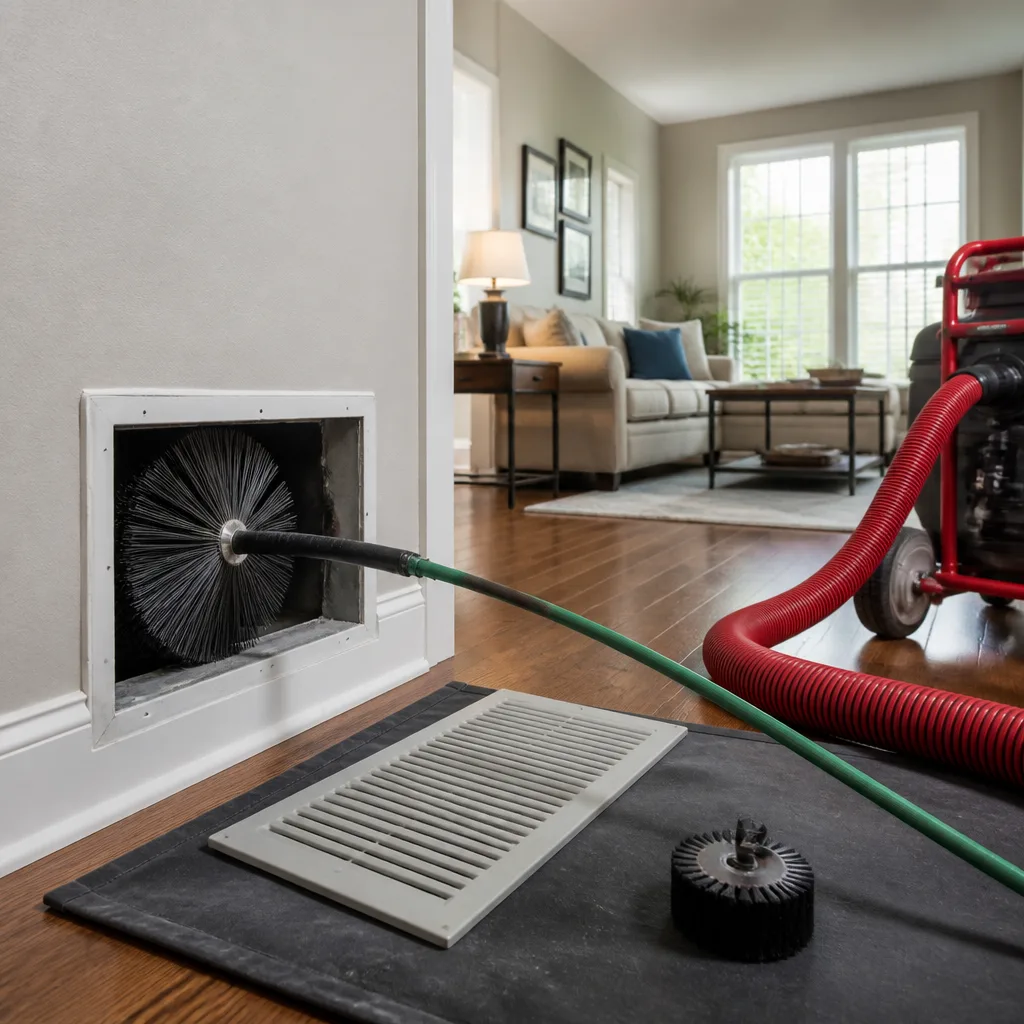
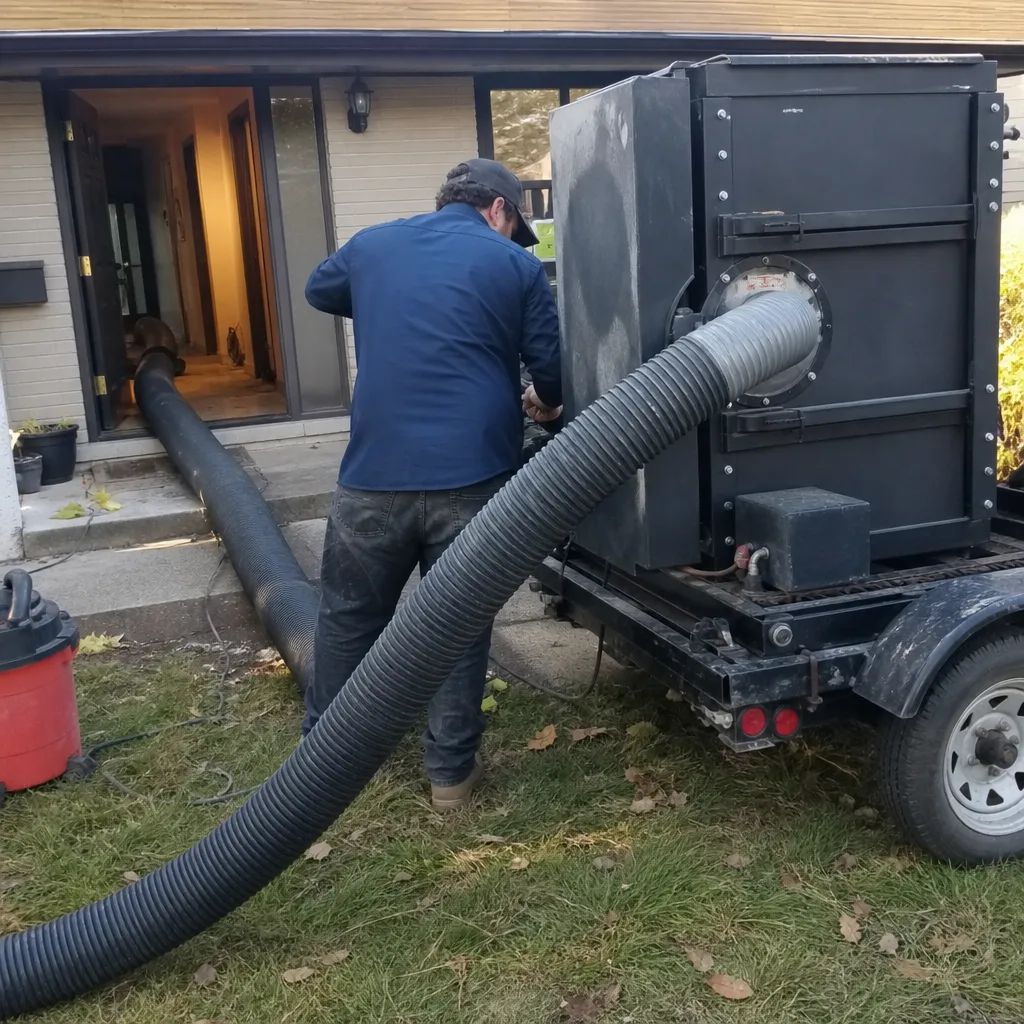
The equipment roster matters because it determines what gets removed and what doesn’t. CleanRun uses professional-grade tools from trade-recognized manufacturers: Rotobrush for contact cleaning of duct interiors, Nikro and Abatement Technologies for negative-pressure extraction and HEPA-filtered collection, and Honeywell and Aprilaire for filtration and humidity control products. These aren’t marketing names; they’re specifications you can verify independently.
Negative-pressure extraction is the critical distinction from coupon-grade service. The system creates a vacuum throughout the duct network, so when a register is opened for brushing or air-whipping, debris is pulled toward the collection unit rather than escaping into your living space. Without this containment, agitating debris inside a duct simply relocates it to your air.
The documented photo record, which CleanRun has delivered on every job since 2013, shows the interior of every duct run before and after. This isn’t a sales tool; it’s a verification tool. You see what was there, what was removed, and whether the work justified the price. In an industry where some competitors run a shop vac at the register and call it done, the photo record is the difference between documented work and vacuum noise.
Our pricing is written before work starts, every time, under Haven Standard Clause 1. No exceptions. The price you agree to is the price on the invoice. This matters for seasonal scheduling because you can plan the expense without fear of escalation once the crew arrives.
Common Mistakes to Avoid
- Waiting for visible dust at registers. By the time debris reaches the register, the duct is heavily loaded. Register dust is a late indicator, not an early warning. Inspect at the first elbow instead.
- Using the highest MERV filter available. MERV 16 filters capture bacteria but can choke airflow in residential blowers not designed for the static pressure. Check your furnace manual or use MERV 8-11 unless a professional has verified your system can handle more.
- Ignoring the return side. Supply ducts get attention because they blow air you feel. Return ducts pull air from every room and typically carry 60-70% of the total debris load. Both sides need inspection.
- Scheduling cleaning after a renovation without containment. Construction dust is abrasive and voluminous. If your contractor didn’t seal returns during work, the filter and the first few feet of return duct are likely saturated. Don’t run the system until they’re checked.
- Assuming new construction means clean ducts. We’ve found drywall compound, wood shavings, and fastener debris in Schaumburg new builds from 2022 and 2023. Builders’ rough clean doesn’t reach the duct interior.
- Treating UV lights as a cleaning substitute. UV-C lamps can reduce microbial growth on the coil surface they illuminate. They do not remove debris, improve airflow, or clean duct walls. They’re an adjunct, not a replacement.
- Accepting per-vent pricing. This model incentivizes speed over thoroughness and often results in surprise totals. CleanRun quotes one flat price per system, agreed in writing before work starts.
When to Call a Professional
Call for an inspection, not necessarily cleaning, when you observe any of the following: persistent odor from registers that doesn’t resolve with filter changes; visible mold or moisture staining on duct surfaces; rodent or insect evidence in or near ductwork; uneven heating or cooling that suggests blockage or leakage; or it’s been more than three years since the last documented cleaning with photo verification.
CleanRun Air Duct Cleaning Schaumburg offers free estimates in Schaumburg. We’ll inspect your system, show you what the camera sees, and provide a written price before any work starts. Call (224) 385-0904 to schedule. Every job is backed by the 365-Day Done Right Promise and the full H.A.V.E.N. Standard, including Haven Standard Clause 3: Verified Crews. Background-checked, uniformed technicians arrive identified by name, with license number published on every quote.
Frequently Asked Questions
Complete residential air duct cleaning in Schaumburg typically costs $380-$520 for a standard single-system home, with whole-house jobs on larger properties or those with basement and attic duct runs reaching $600-$780. See our Air Duct Cleaning Cost Breakdown: The Schaumburg Homeowner’s Reference for 2026 for detailed pricing factors. The price depends on the number of duct runs, the configuration of the system, and whether dryer vent cleaning or HVAC component cleaning is included. CleanRun quotes one flat price per system in writing before any work starts, under Haven Standard Clause 1, with no per-vent add-ons. Call (224) 385-0904 for an exact quote on your home.
Low quotes typically reflect limited scope: a shop vacuum at the register, no camera inspection, no photo documentation, and no containment of dislodged debris. The $79-$99 coupon price is a well-documented industry pattern where the technician arrives, identifies “additional problems,” and the final invoice reaches or exceeds what a reputable company quoted upfront. CleanRun has served 52,000+ homes since 2013 with written prices before work starts and a documented photo record on every visit. The price you agree to is the price you pay.
Request a documented photo record showing the interior of every duct run before and after cleaning. CleanRun delivers this as a standard job record, not an upgrade. You should see date-stamped images of debris at the first elbow, mid-run, and at the register connection, followed by images of the same locations post-cleaning. If a company cannot or will not provide this, you have no verification that the work occurred inside the ductwork rather than at the register surface.
Most Schaumburg homes benefit from professional cleaning every 2-3 years, with annual inspections for homes with pets, recent construction, or occupants with allergies or respiratory conditions. The actual interval depends on what the system processes: homes with multiple pets, smokers, or frequent remodeling may need annual cleaning; well-maintained homes with high-quality filtration may extend to 4 years. The documented photo record from your last service is the best guide, compare year-over-year images to judge accumulation.
Yes, specifically because of the humidity swing and the freeze-thaw cycle. Summer dew points in the 60s-70s create condensation risk in unconditioned spaces that drier climates don’t face. Winter heating season runs long enough to load filters and ductwork heavily. And the spring pollen load from northeastern Illinois’s tree canopy is significant, entering through windows and accumulating in returns. These factors don’t make duct cleaning urgent; they make seasonal awareness relevant.
Air duct cleaning addresses the supply and return ductwork, the trunk lines, and the plenum. HVAC cleaning adds the mechanical components: blower compartment, evaporator coil, and heat exchanger visual inspection. In Schaumburg, where furnaces run 6-7 months annually, the blower wheel and coil can accumulate significant debris that affects efficiency and air quality. CleanRun Air Duct Cleaning Schaumburg home offers both services, quoted separately or together, with written pricing for each scope.
The Bottom Line
Schaumburg’s four-season climate creates four distinct opportunities to protect your ductwork and the air it carries. Spring reveals what winter deposited. Summer tests your system’s moisture management. Fall demands preparation before the heating season begins. Winter rewards disciplined filter management and humidity control. The homeowners who fare best are not those who clean most often, but those who match their attention to the season’s specific risk. Document what you find, compare year over year, and when you need professional work, insist on written pricing, verified equipment, and a photo record that proves the job was done inside the ducts, not just at the registers.
Written by Tomas Reyes, Owner at CleanRun Air Duct Cleaning Schaumburg, serving Schaumburg since 2013.