
Whole-system duct and dryer vent check with before-and-after photos - you see exactly what came out of your vents
That "$99 whole-house special" is a bait ad - the real number appears once they are in your hallway, or the "clean" is a shop-vac at the register. We photograph the inside of your ducts before and after instead.
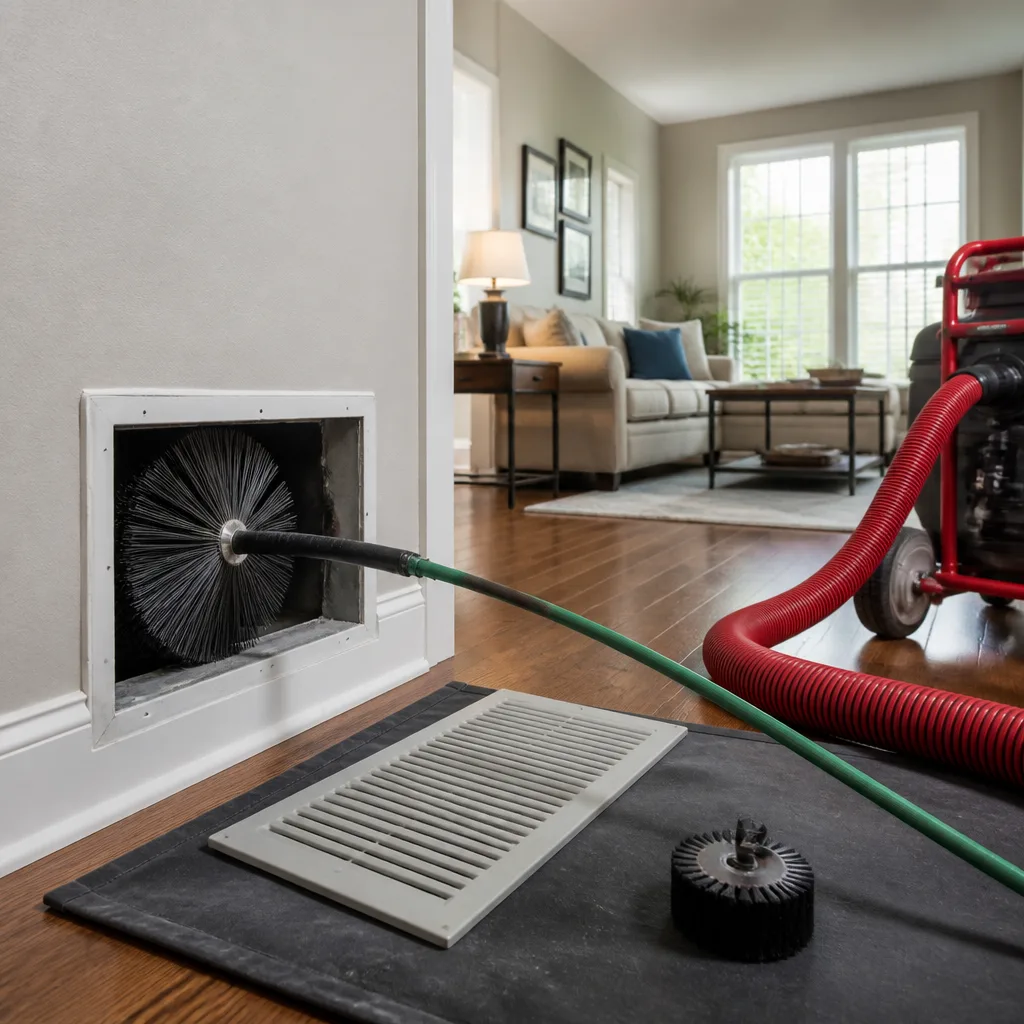
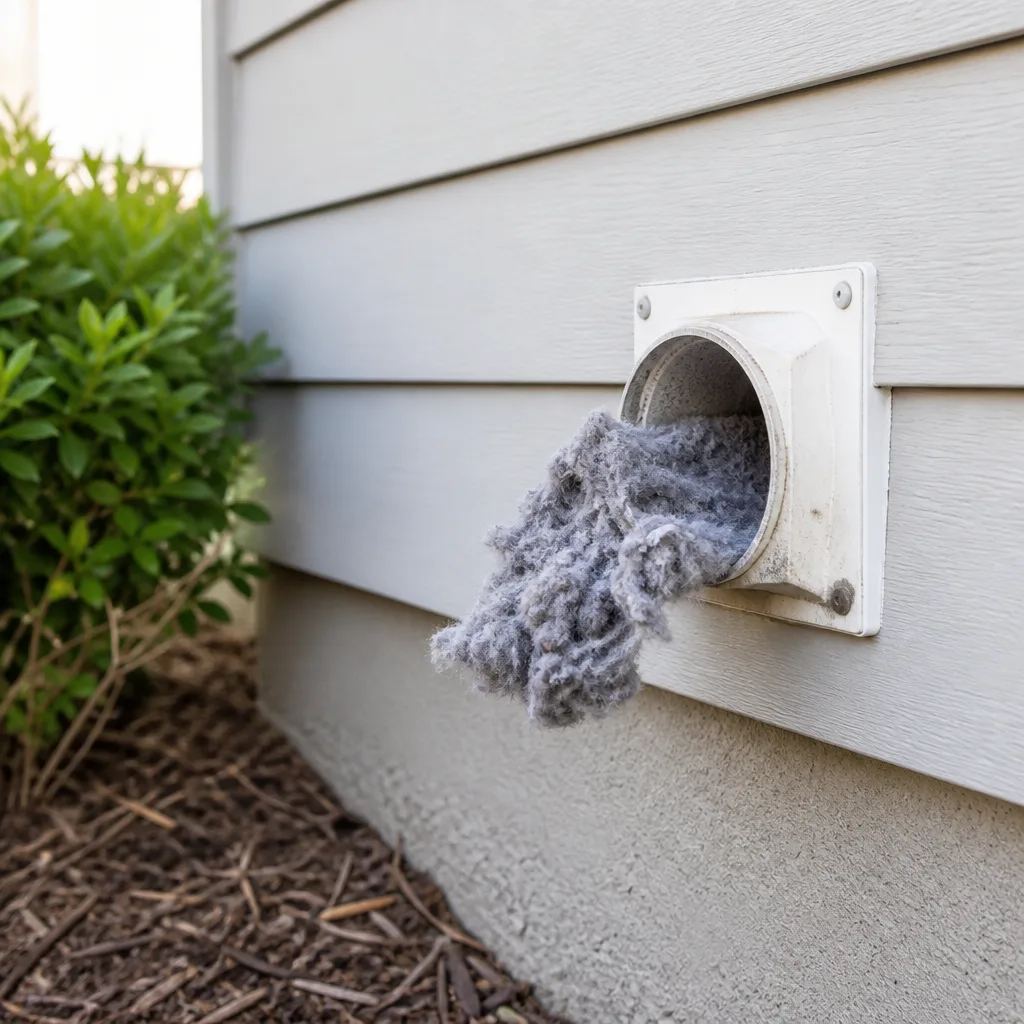
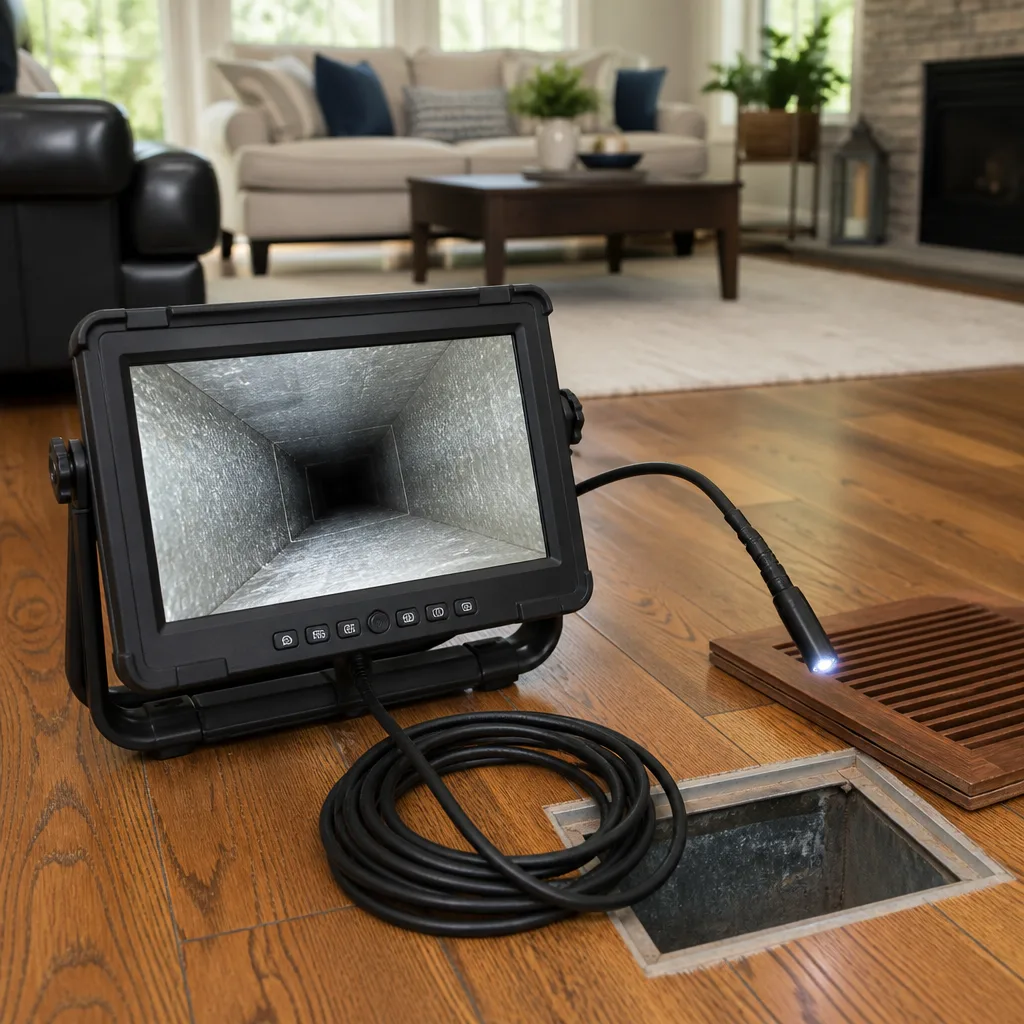
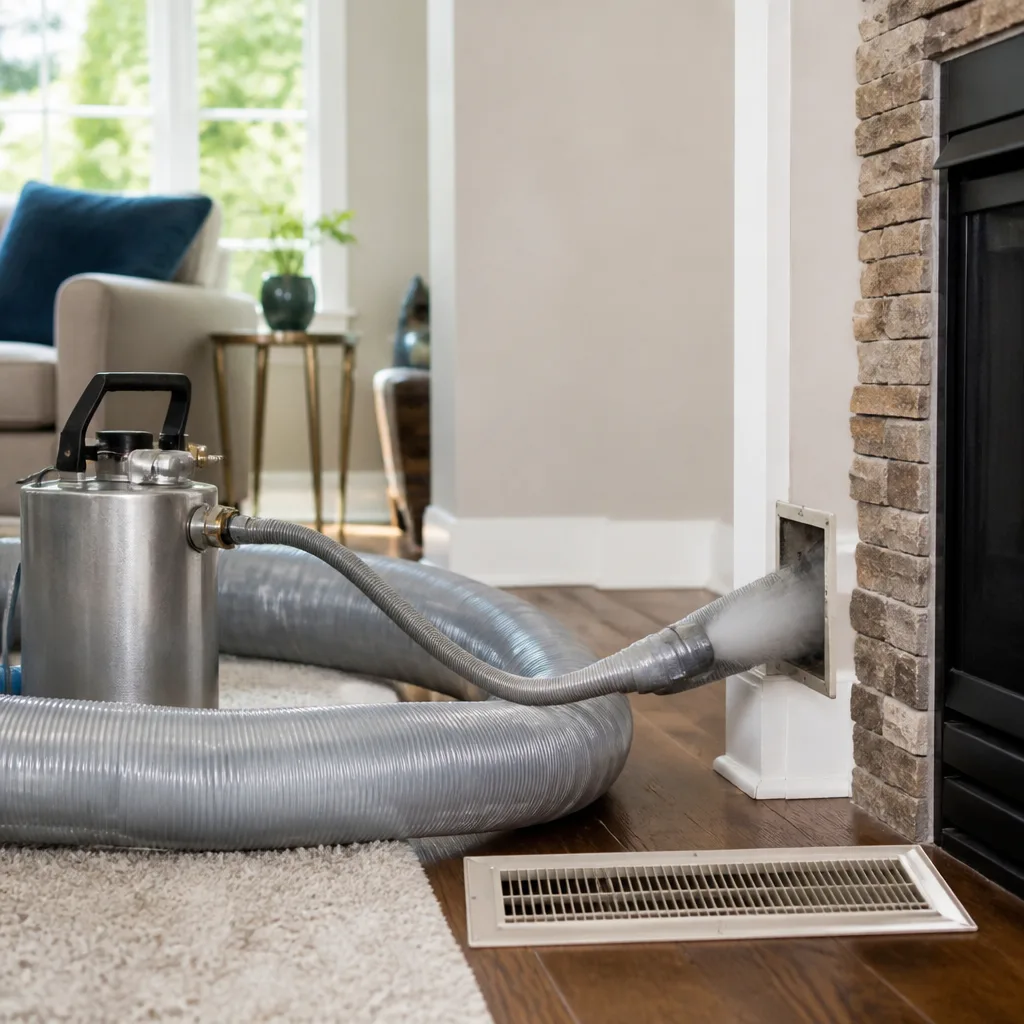
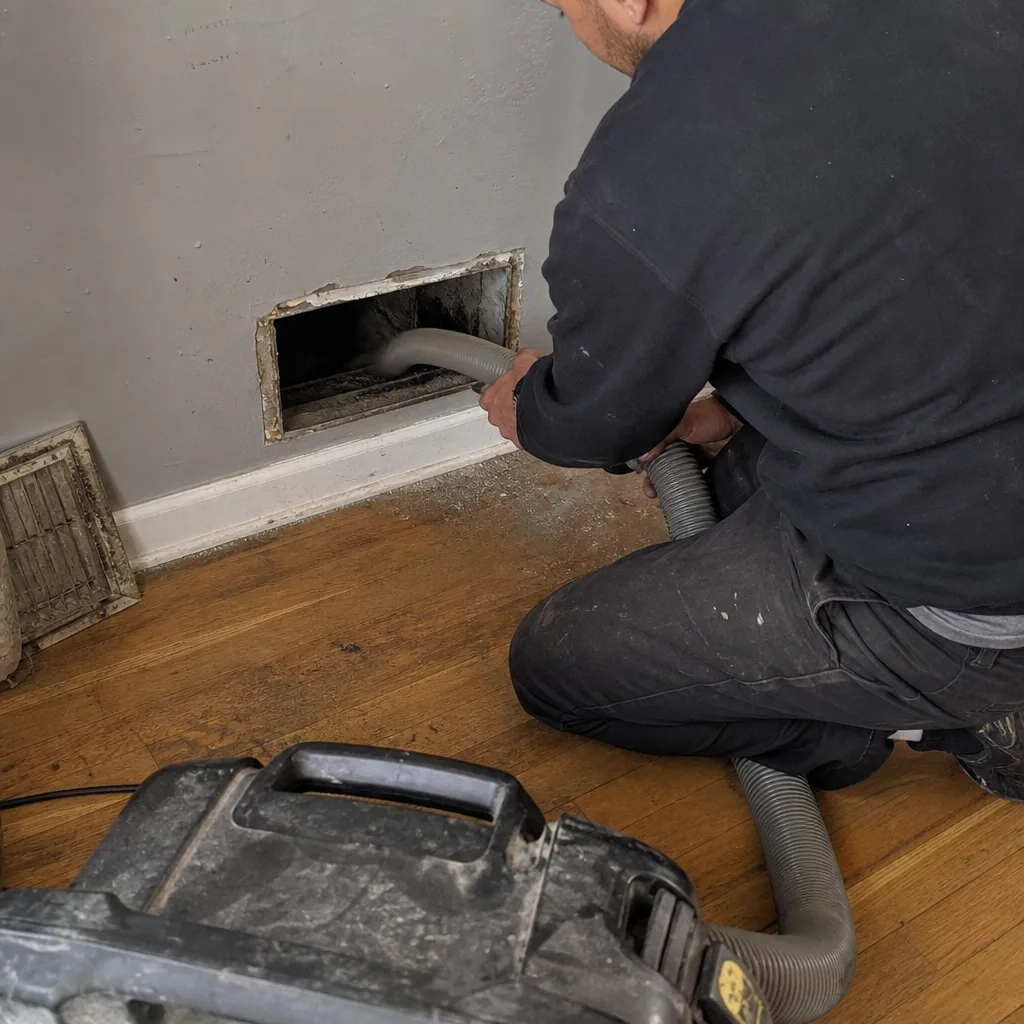 Before
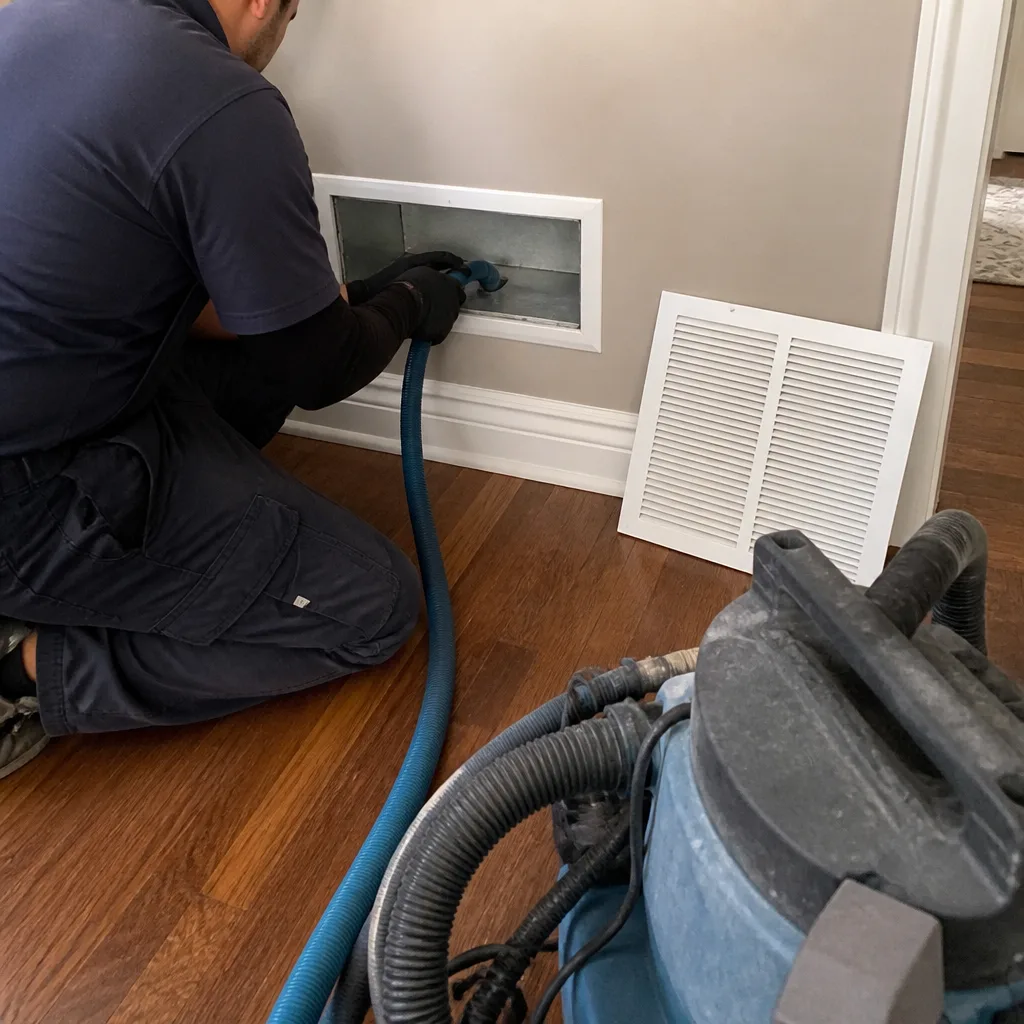 After
After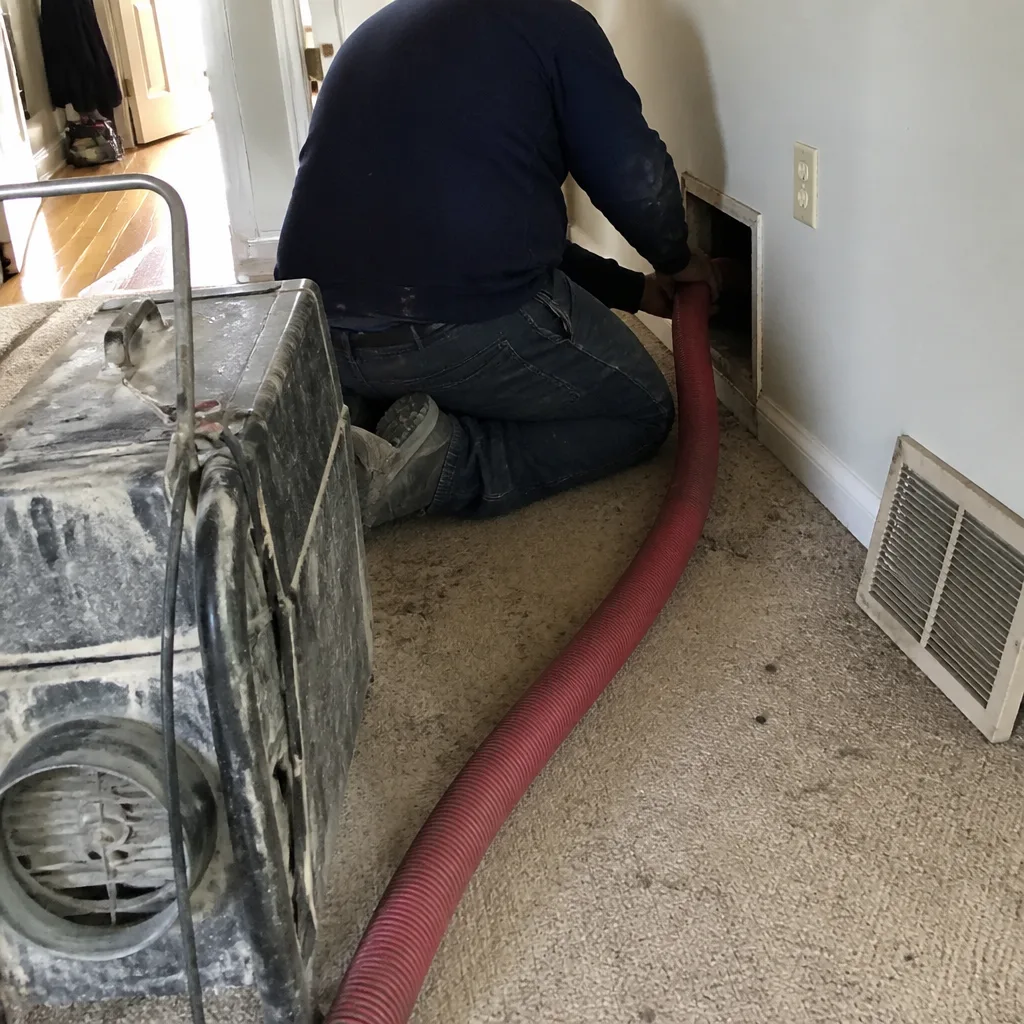 Before
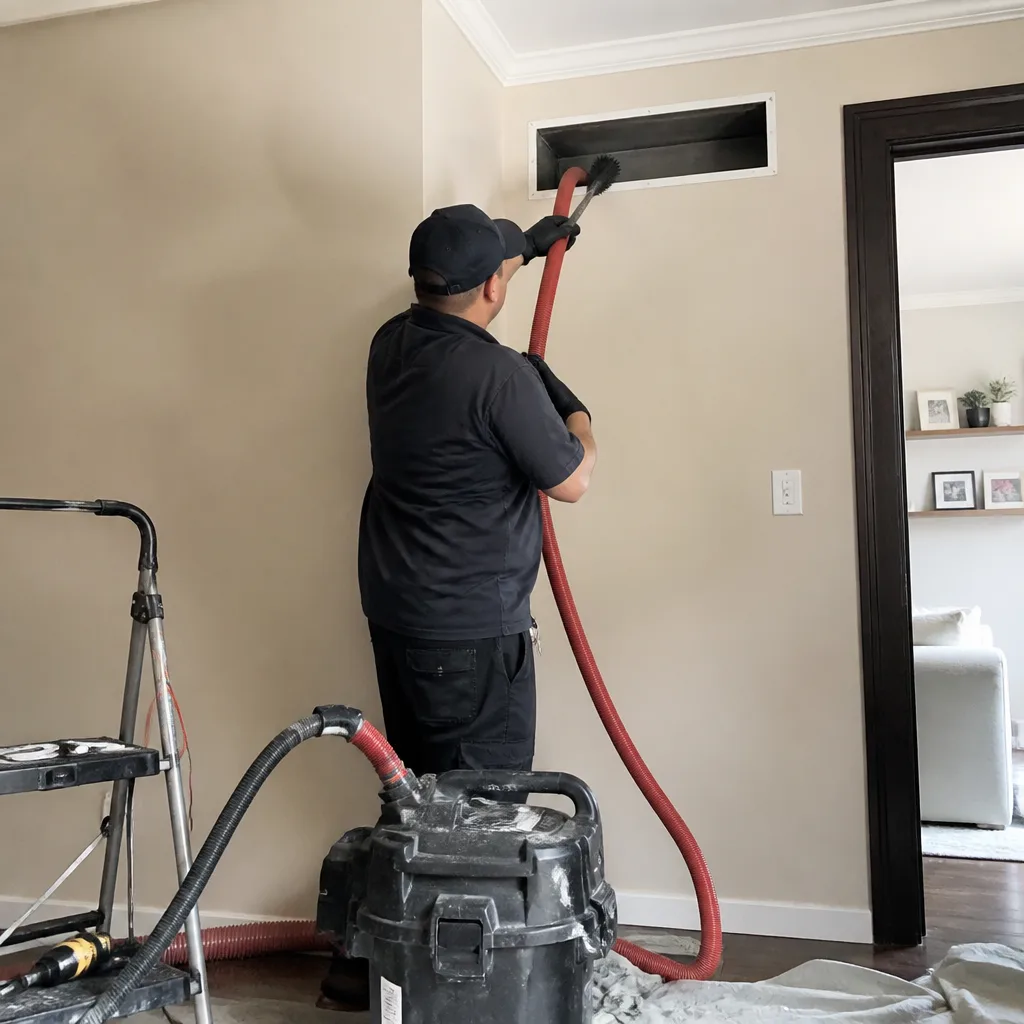 After
After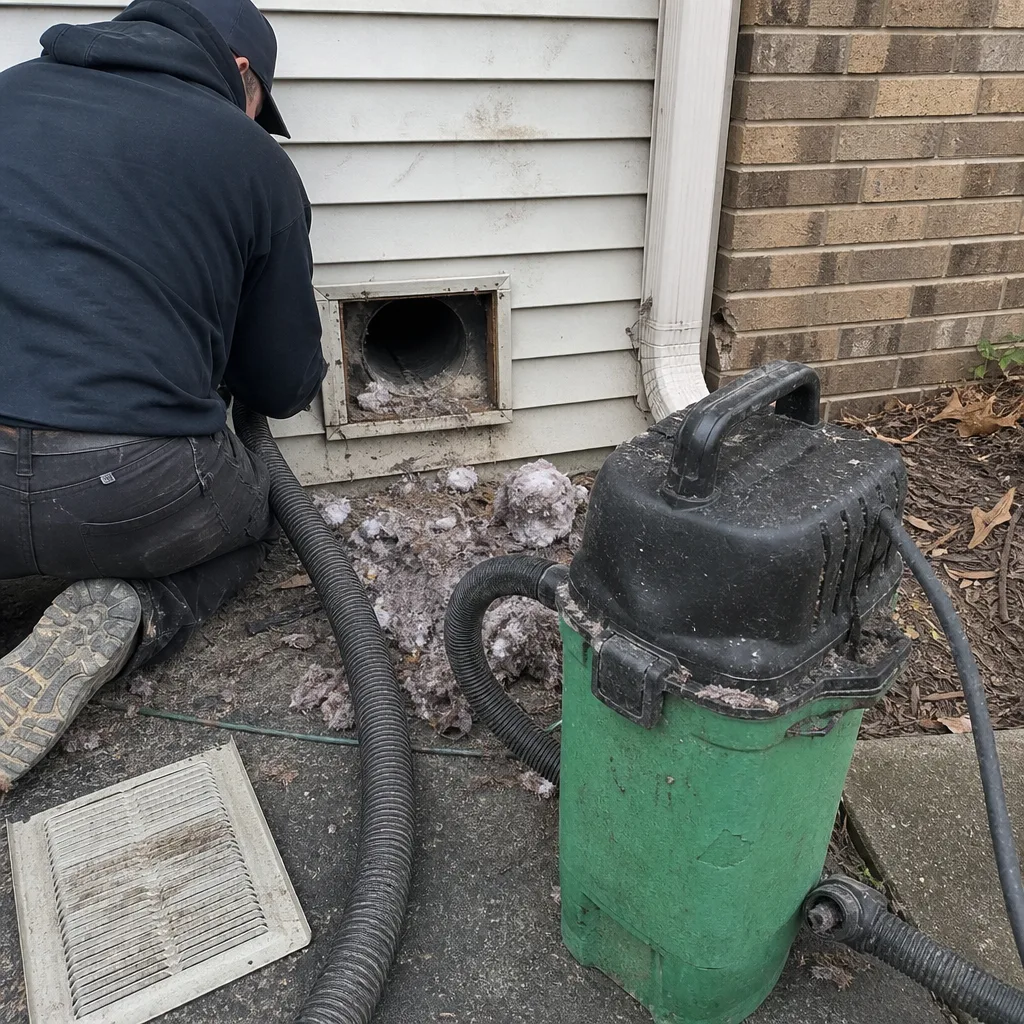 Before
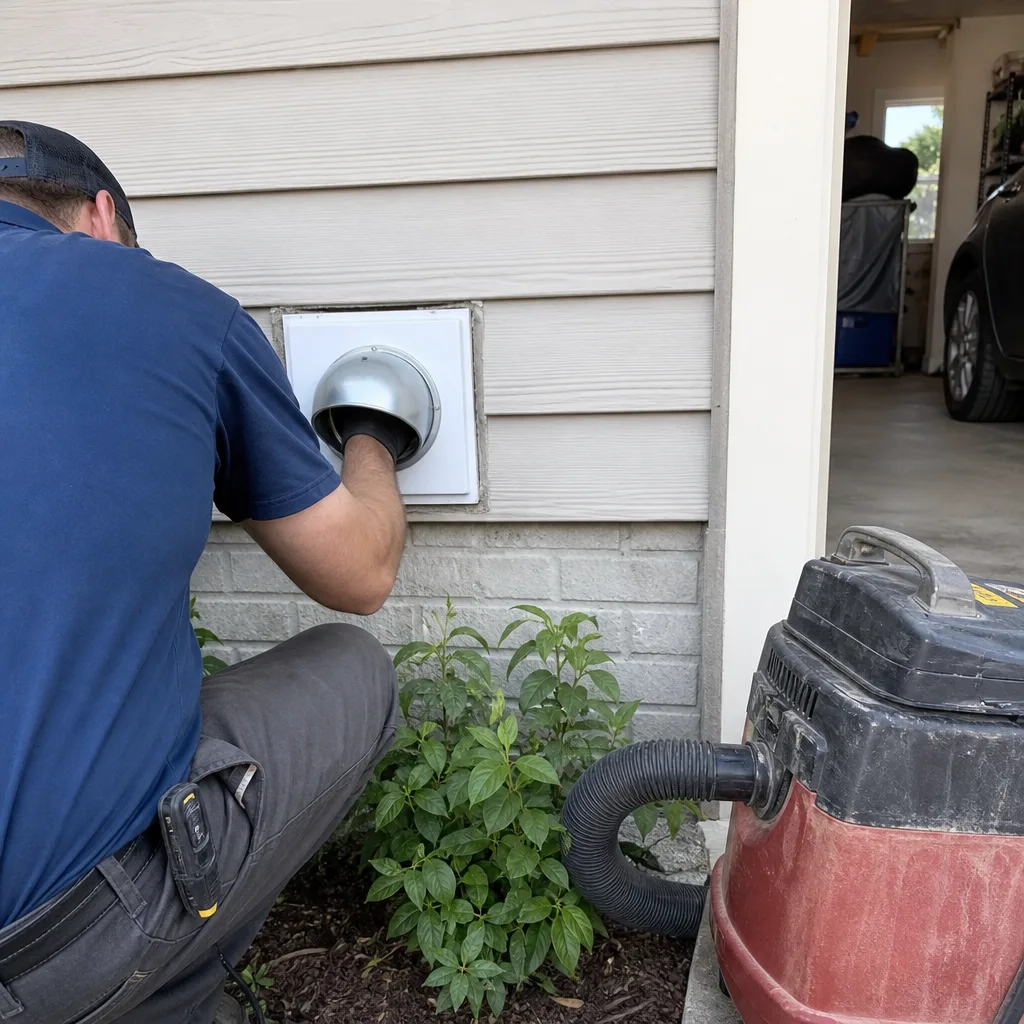 After
AfterHoneywell Coil Cleaning: The Schaumburg Owner’s Guide
We stock and install Honeywell-compatible evaporator and condenser coil cleaning for Schaumburg homeowners, with typical whole-system service ranging from $340-$580 depending on accessibility and contamination level. Most Honeywell coils we encounter in Schaumburg homes - particularly the C-series and N-series evaporator lines paired with forced-air systems - can be cleaned same-day when scheduled. Homeowners usually discover the problem after noticing weak airflow through registers, a sudden spike in ComEd bills, or ice forming on the refrigerant lines during July humidity spikes.
Which Honeywell Models This Applies To
Honeywell coils aren’t always labeled clearly from the exterior, so identification matters. We most commonly clean the CNPV, CNRV, and CNPVP evaporator series in Schaumburg split systems, along with the older C35 and C45 lines still running in homes built between 2005 and 2015. The model number lives on a stamped metal tag near the coil cabinet, not the outdoor condenser - a distinction that sends a lot of homeowners down the wrong parts path.
The critical compatibility gotcha: Honeywell’s newer CNPVP series uses a 21-inch cabinet width that won’t retrofit into the 17.5-inch openings common in Carrier and Trane installs from the same era. We’ve pulled three mismatched coils from Schaumburg townhomes near Meacham Road where a previous contractor forced the fit and crushed the drain pan flange. OEM Honeywell coils run 15-25% above quality aftermarket equivalents from Aspen or ADP, but the drain pan geometry and TXV bulb placement are exact on the OEM - worth the premium if your system still carries factory refrigerant charge.
We carry cleaning-compatible tooling for both OEM and aftermarket Honeywell coils on every truck, including low-pressure foaming applicators spec’d for aluminum microchannel fins. The photo doesn’t lie - and neither does the quote.
Signs Your Honeywell Coil Cleaning Is Failing
- Weak airflow at registers despite a running blower. Honeywell’s tightly finned evaporator coils trap Schaumburg’s pollen load and construction dust from the 2010s building boom; when the fins clog, air pressure drops before it ever reaches your duct run (the enclosed pathway from plenum to register).
- Ice formation on refrigerant lines or the coil itself. A dirty coil can’t transfer heat effectively, so the refrigerant stays below freezing and accumulates frost. In Schaumburg’s shoulder seasons, this shows up first on systems that short-cycle during 50-degree days.
- Musty or sour odor when the system kicks on. Honeywell’s drain pan design has a shallow slope that pools condensate when biofilm builds; we’ve photographed active mold colonies in pans from Hoffman Estates and Schaumburg homes where cleaning was deferred past the five-year mark.
- ComEd bill climbing 20% or more year-over-year without rate changes. The system runs longer to hit thermostat setpoint because the coil can’t exchange heat efficiently. One homeowner near Woodfield Mall saw a $187 monthly drop after we cleaned a CNPV36000 that hadn’t been serviced since 2019.
- Water stains on ceiling drywall below the air handler. A clogged secondary drain pan or blocked condensate line backs up when the coil sheds its normal defrost water load. Honeywell’s pan outlets are 3/4-inch PVC, which crushes easily if a technician over-torques the fitting during prior service.
BeforeAfterReplacement Cost & What’s Included
Whole-system Honeywell coil cleaning in Schaumburg runs $340-$580 under Haven Standard Clause 1, with the final price set in writing before we touch a panel. The low end covers accessible evaporator coils in basement mechanical rooms with light contamination; the high end reflects rooftop condenser units, heavy biological buildup requiring contact time with foaming cleaner, or coil removal for sink cleaning when the fins are impacted with drywall compound (common in newer Schaumburg construction).
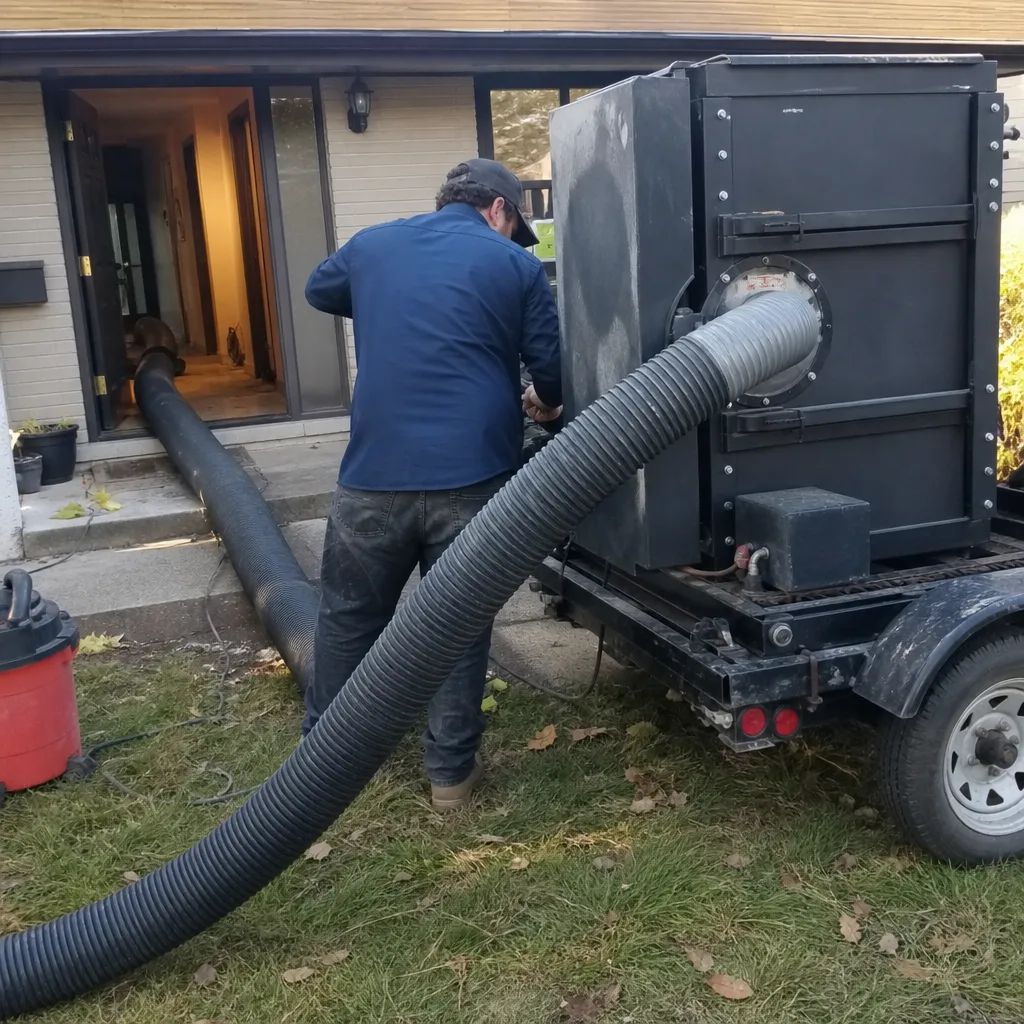
Every job includes negative-pressure extraction (suction applied to the duct system to contain dislodged debris), before-and-after photography of the coil face and drain pan, and a written scope delivered on site. The 365-Day Done Right Promise applies to the cleaning quality and any reassembly - if airflow tests don’t match our benchmark, we return without invoice. We also stock Lennox, Trane, and Carrier coil cleaning tooling, so mixed-brand systems don’t require a second trip.
DIY or Call Us?
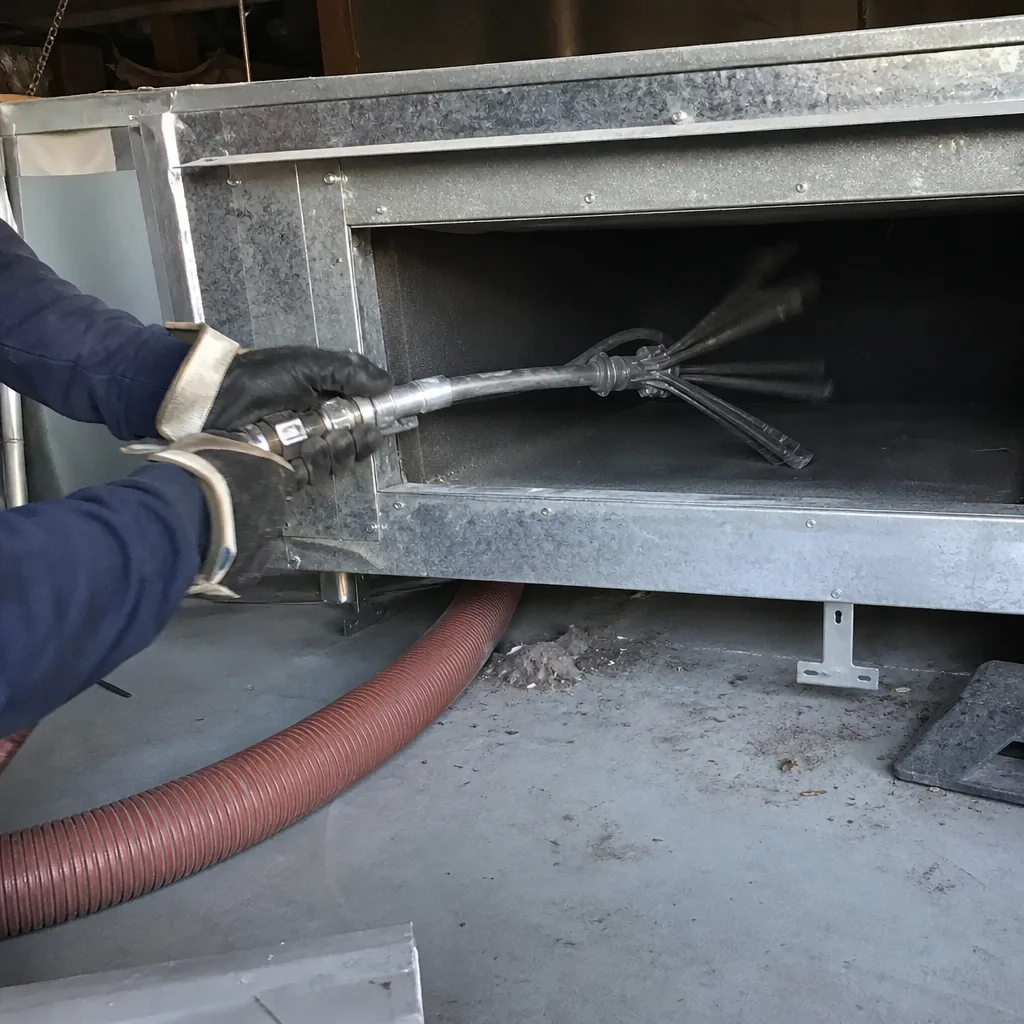
An owner can safely check three things: whether the filter is loaded (replace it), whether the condensate drain outlet is dripping when the AC runs (clear the PVC trap with a wet-dry vac if not), and whether the outdoor condenser fins are visibly clogged with cottonwood or grass clippings (hose gently from the inside out). Beyond that, evaporator coils live inside the plenum - the sheet-metal box above your furnace - and require refrigerant line handling, electrical lockout, and fin-safe pressure settings that vary by Honeywell series.
DIY foaming cleaners sold at hardware stores are formulated for automotive radiators, not HVAC microchannel fins; we’ve replaced coils in Schaumburg where the homeowner’s cleaner stripped the hydrophilic coating and accelerated corrosion. The refrigerant system is also under pressure, and federal EPA Section 608 rules restrict venting. For the actual coil cleaning, call (224) 385-0904. We’ll quote the work in writing before we start, and you’ll get the photo record to verify what was actually inside.
FAQs
Most residential cleanings run 90 minutes to 2.5 hours, depending on whether the coil can be accessed through a removable panel or requires cutting and patching sheet metal. We schedule a two-hour window and communicate if the scope changes. Call (224) 385-0904 for an exact quote - estimates are free.
No - “repair” isn’t the right frame for contamination. Corroded or mechanically damaged fins can sometimes be combed straight, but biological buildup and debris require physical removal. If the coil has refrigerant leaks from corrosion, cleaning won’t restore it; we’ll show you the leak location on camera and quote replacement separately. Call (224) 385-0904 for an exact quote - estimates are free.
Every 3-5 years for typical residential systems, sooner if you have pets, recent renovation dust, or run the fan continuously. Schaumburg’s pollen density - particularly oak and maple in the spring - loads filters faster than downtown Chicago, and that excess bypasses straight to the coil. Call (224) 385-0904 for an exact quote - estimates are free.
Yes - we carry foaming applicators, fin combs, drain pan treatments, and negative-pressure extraction rigs sized for Honeywell C-series and N-series coils on every Schaumburg truck. If your system turns out to be a Lennox, Trane, or Carrier coil behind a Honeywell thermostat (common mismatch), we’re equipped for those too. Call (224) 385-0904 for an exact quote - estimates are free.
CleanRun Duct Repair & Cleaning is an independent service provider and is not affiliated with Honeywell International Inc. Honeywell is a registered trademark of Honeywell International Inc.
Ready to see what’s actually inside your system? Call (224) 385-0904. A live person answers, we’ll schedule at your preference, and you’ll receive a written price before any work begins - every time, no exceptions, under Haven Standard Clause 1. Your documented photo record and 365-Day Done Right Promise are included as standard deliverables.
Written by Tomas Reyes, Owner, CleanRun Air Duct Cleaning Schaumburg at CleanRun Air Duct Cleaning Schaumburg, serving Schaumburg and nearby areas.