
Last updated September 23, 2026
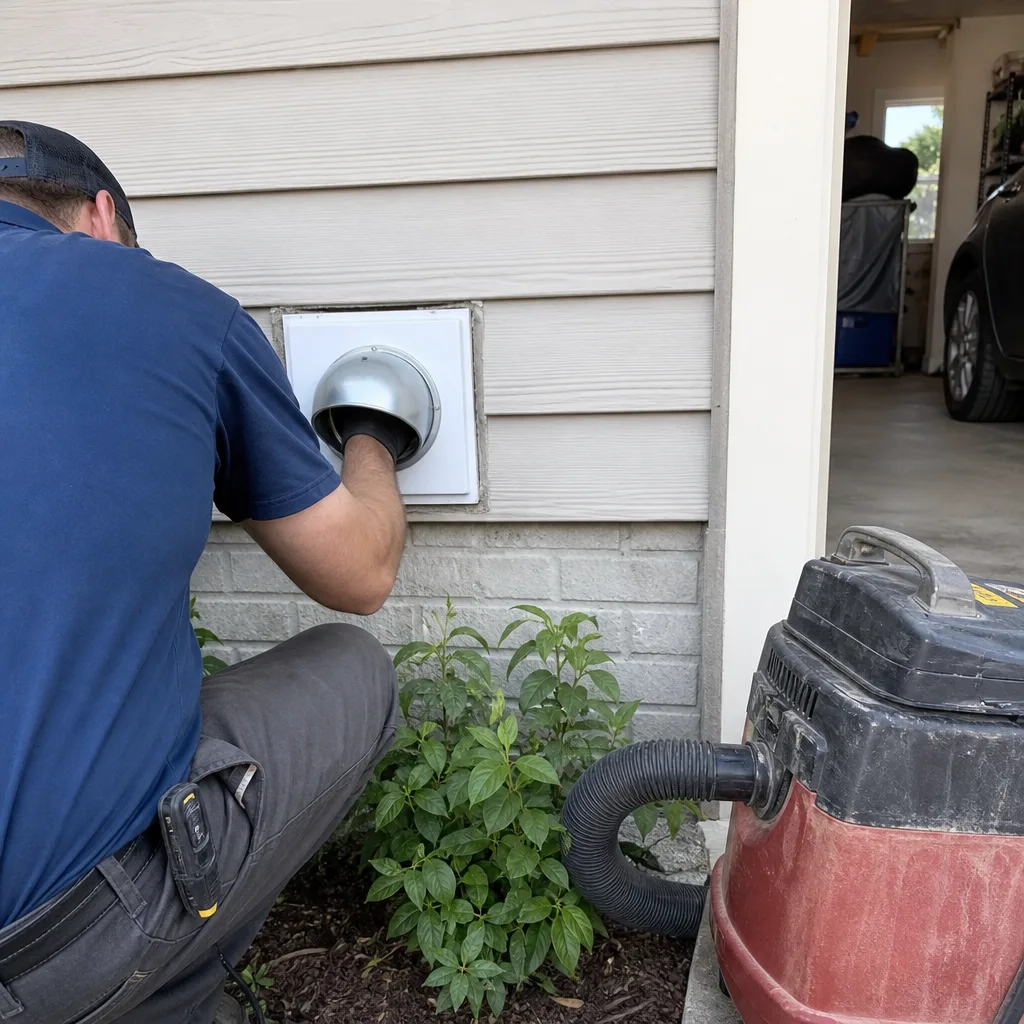
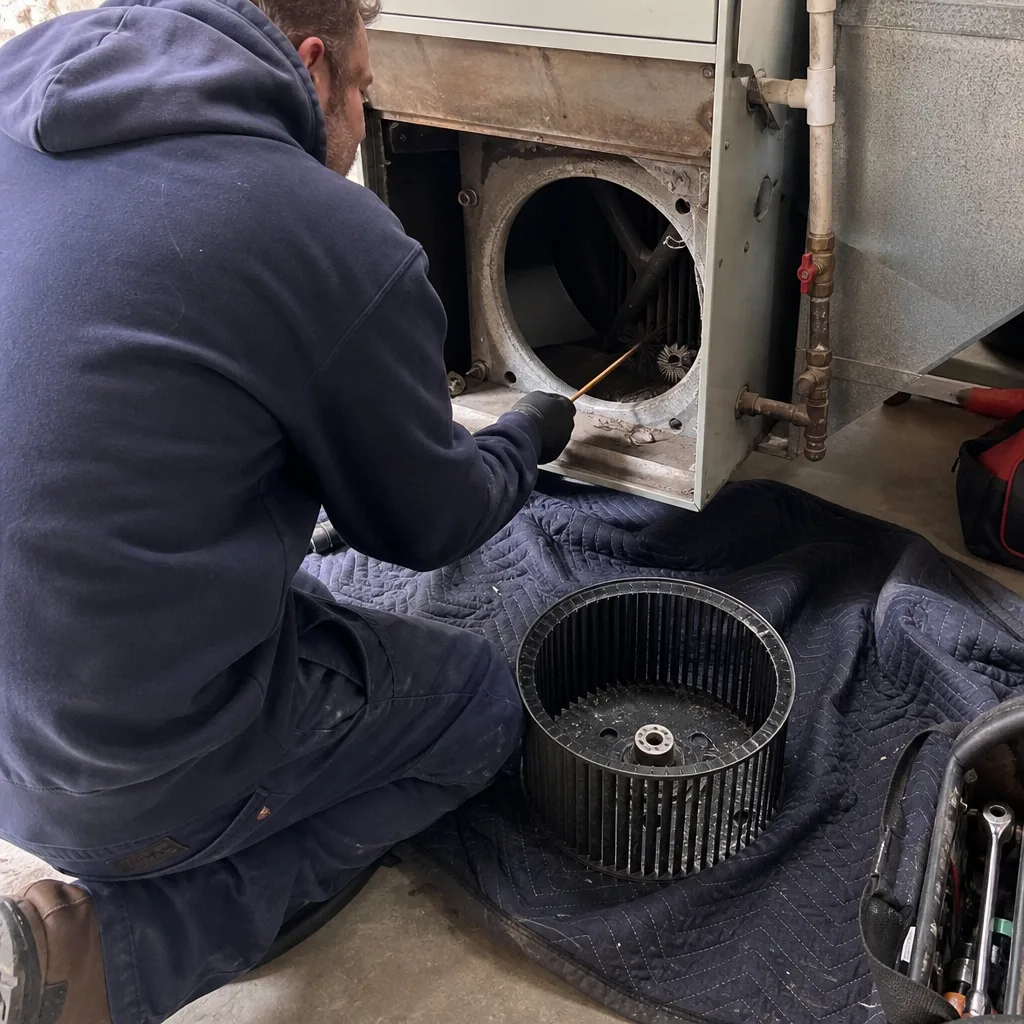
Whole-system duct and dryer vent check with before-and-after photos - you see exactly what came out of your vents
That "$99 whole-house special" is a bait ad - the real number appears once they are in your hallway, or the "clean" is a shop-vac at the register. We photograph the inside of your ducts before and after instead.
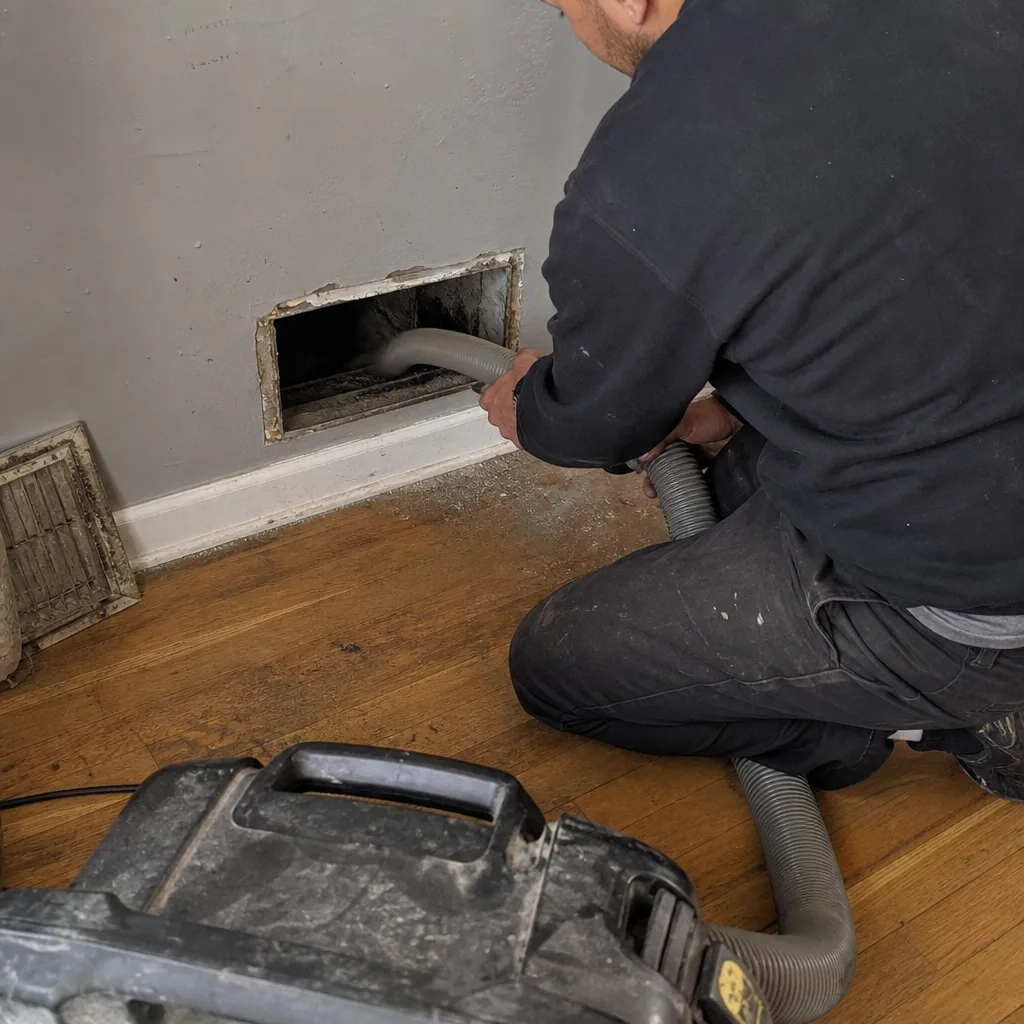 Before
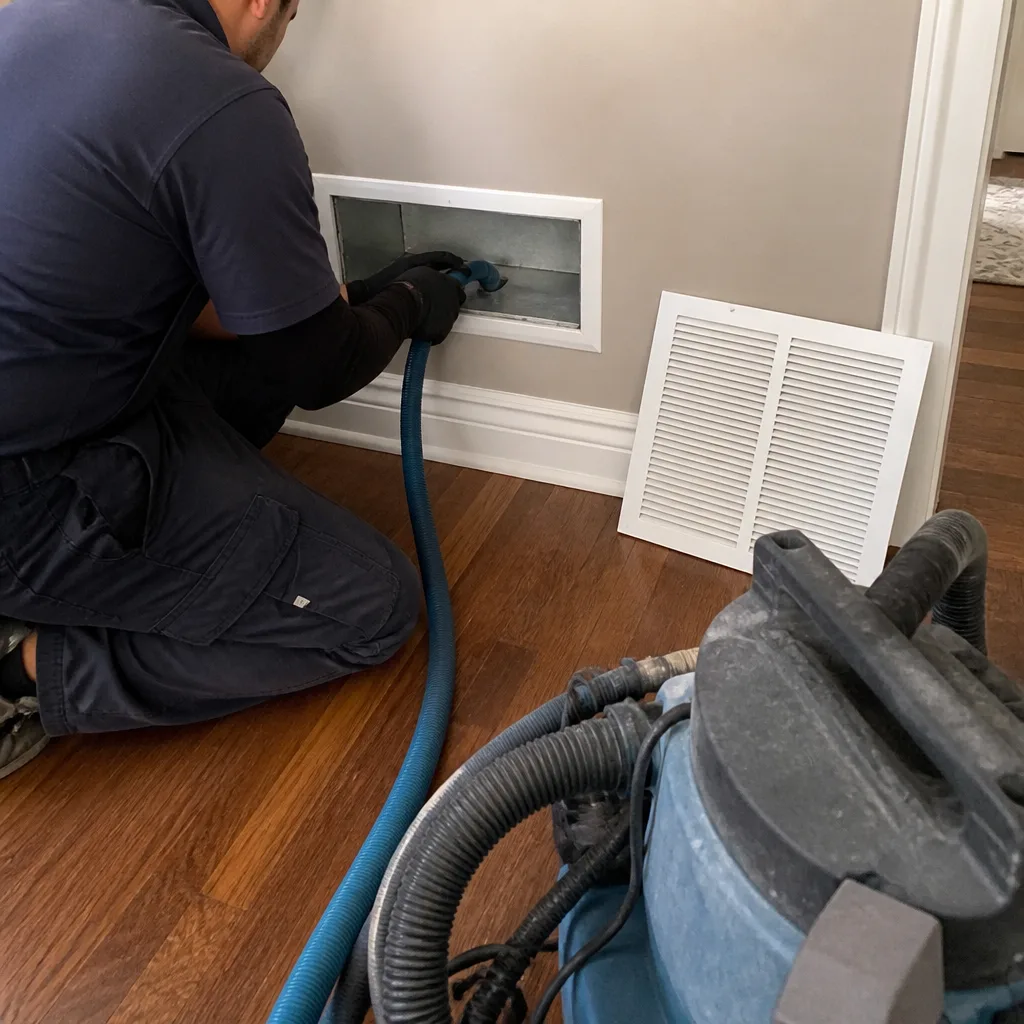 After
After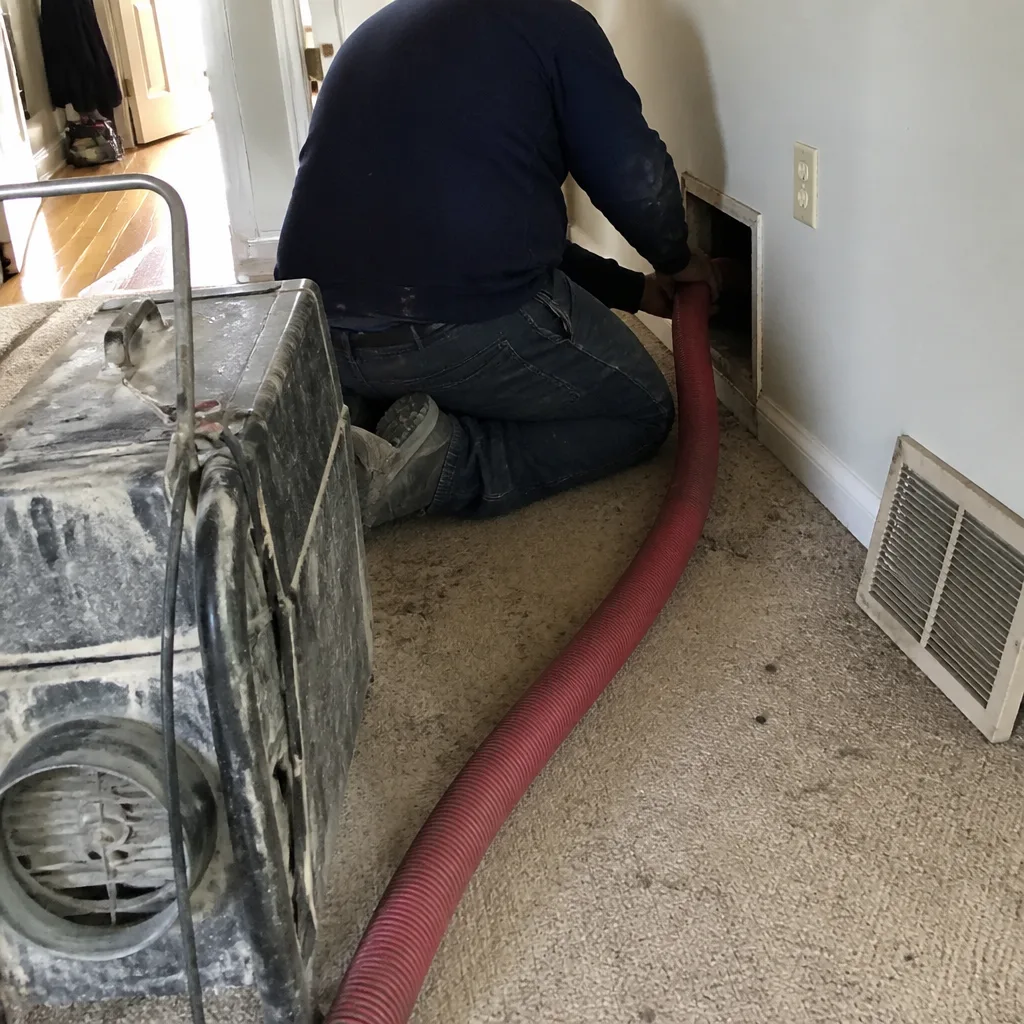 Before
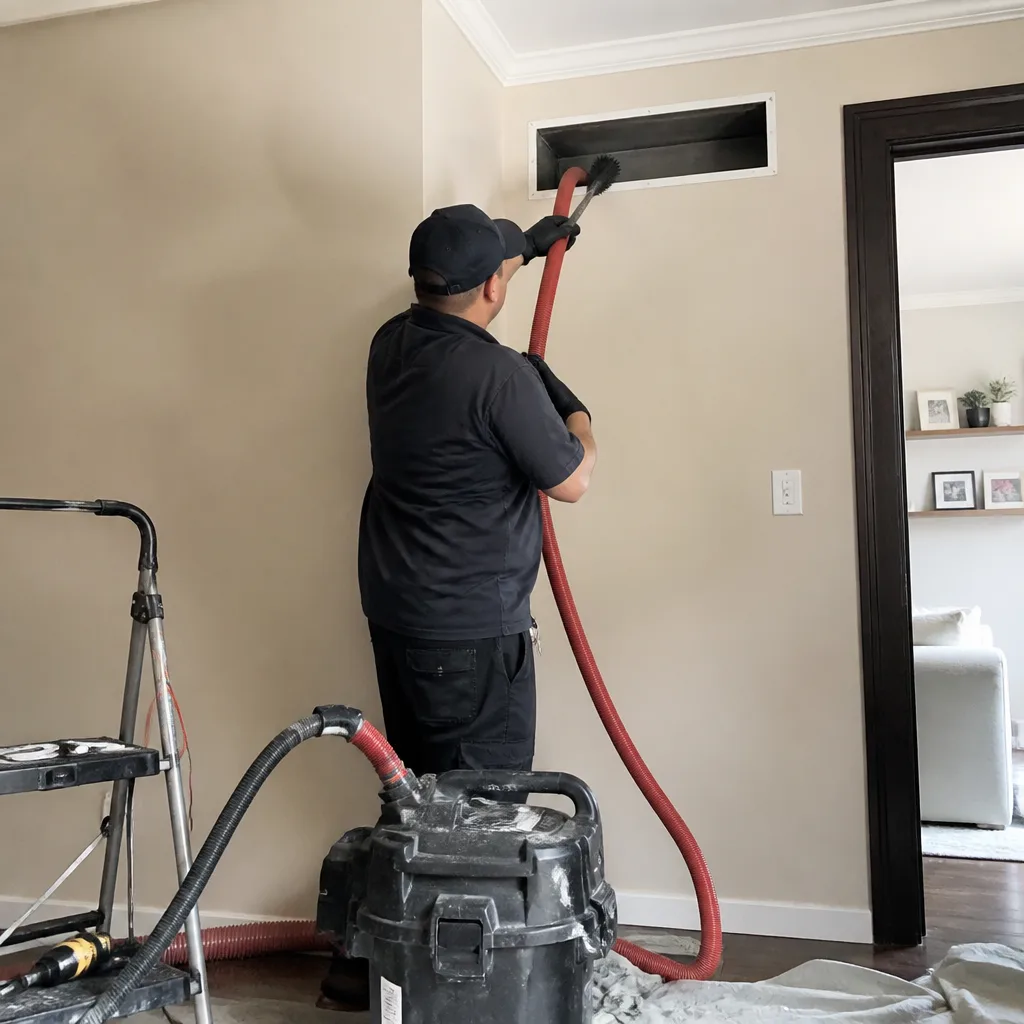 After
After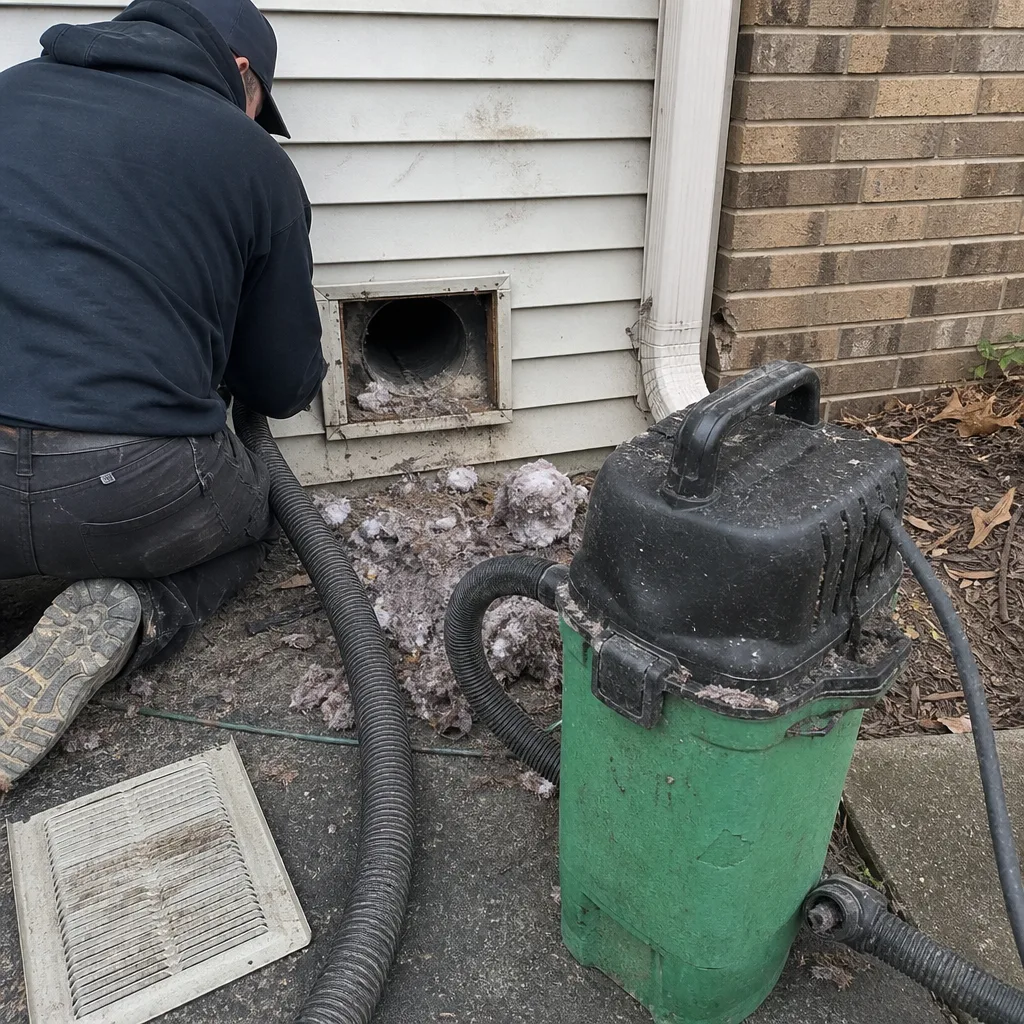 Before
 After
AfterAir Duct Cleaning Maintenance Checklist for Schaumburg Homeowners
Changing your filter every 90 days while ignoring the duct lining is the HVAC equivalent of washing the outside of a coffee mug. The filter captures what escapes the system, not what’s already coating the interior. In Schaumburg, where clay-heavy soil during new construction settling and sharp humidity swings from Lake Michigan influence create unique stress on duct systems, most homeowners we’ve served since 2013 had no documented record of what their ducts actually looked like inside. This guide gives you a maintenance checklist that works because it creates a baseline. Without photographed conditions and dated observations, you’re guessing whether “normal” dust accumulation has become a problem. You’ll learn which tasks belong to you, which require professional equipment, and how to build a home record that makes future decisions obvious.
Quick Answer
A useful air duct cleaning maintenance checklist for Schaumburg homeowners includes monthly register inspections, quarterly filter changes, annual photography of three internal checkpoints, and a written log of dust depth, odors, and staining at each vent. Our Air Duct Cleaning services with negative-pressure extraction equipment should follow when debris buildup exceeds 1/8 inch, odors persist after filter changes, or visible mold appears on liner insulation. Re-cleaning intervals vary by household: pet-free homes typically need service every 4-5 years, while homes with multiple pets, finished basements, or allergy-sensitive occupants often need attention every 2-3 years.
Table of Contents
- Why Baseline Documentation Matters More Than the Checklist Itself
- Schaumburg-Specific Factors That Accelerate Duct Fouling
- What Homeowners Can Safely Do: Filter Changes, Register Cleaning, and Visual Checks
- Room-by-Room Register Inspection Log (Printable Format)
- The Three Physical Checkpoints Any Homeowner Can Photograph
- Where the Homeowner’s Role Ends: Equipment and Safety Limits
- Honest Re-Cleaning Intervals by Household Type
- Building Your Home Record: Storage and Comparison Methods
BeforeAfterWhy Baseline Documentation Matters More Than the Checklist Itself
Every air duct cleaning company in Schaumburg will hand you a checklist. Few will explain why most checklists fail: they measure activity, not condition. A homeowner who changes filters on schedule but never records what the registers looked like last year has no basis for deciding whether this year’s dust is normal or excessive.
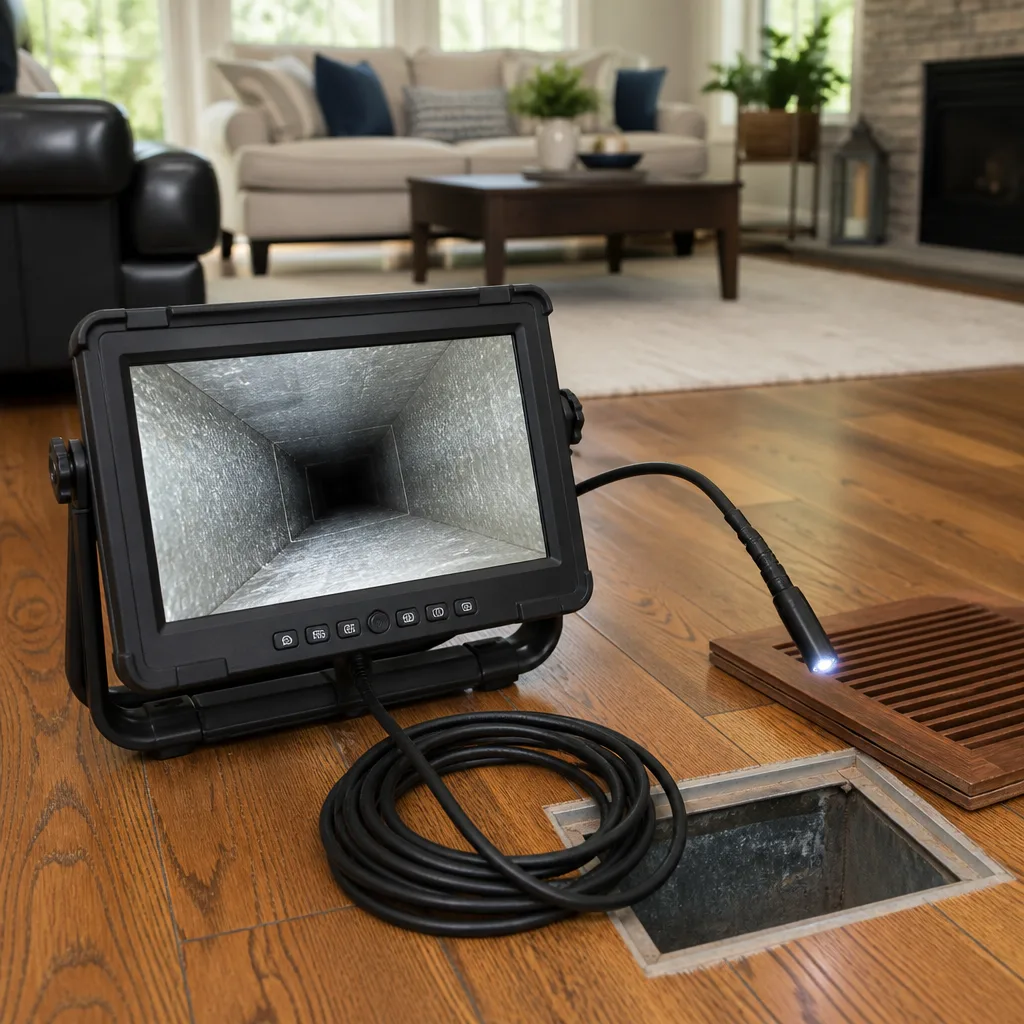
We’ve documented over 52,000 homes since 2013, and the pattern repeats. A customer calls because “the vents seem dirtier than usual.” When we ask when they last photographed the interior, the answer is never. The Air Duct Cleaning in Schaumburg service we deliver includes a Documented Photo Record of every duct run, before and after, as a standard deliverable. But between professional visits, the homeowner needs their own record.
The checklist below is designed as a living document. Each entry creates a data point. Over two to three years, those data points reveal trends that single inspections cannot. Is the master bedroom return accumulating debris faster than the living room? Did the odor at the basement register appear after the humid summer of 2023, or has it been present since move-in? These questions matter in Schaumburg, where seasonal humidity swings of 40-60% can accelerate mold growth on duct liner insulation, particularly in homes built during the 2015-2020 construction boom with tighter envelopes and less natural ventilation. For regulatory context, see Air Duct Cleaning Permits, Codes & Inspections in IL: What You Need to Know.
Three principles make documentation useful:
- Photograph, don’t describe. “Moderate dust” means nothing in six months. A photo with a ruler or coin for scale means everything.
- Date every observation. Season matters. A March inspection after pollen season tells a different story than a November inspection.
- Store records with home files, not on a phone. Phones get replaced. Home files transfer at sale and inform the next owner’s maintenance decisions.
The 365-Day Done Right Promise we back in writing on every job applies to our work, not to time between visits. Your documentation extends that accountability by making our next visit more targeted and our recommendations more specific.
Schaumburg-Specific Factors That Accelerate Duct Fouling
Schaumburg homeowners face a combination of environmental and construction factors that make generic maintenance advice incomplete. Understanding these variables helps you interpret what your checklist reveals.
Clay-heavy soil and foundation settling. Much of Schaumburg sits on clay-dominant soils that expand and contract with moisture. During the first three to seven years after construction, this movement creates micro-fractures in slab foundations and slight separations in duct seams. We’ve found supply plenums in newer Schaumburg homes, particularly in the Golf Road corridor and near the Schaumburg Road commercial district, drawing fine silt from crawl spaces and wall cavities. The debris isn’t household dust; it’s mineral particulate that standard filters don’t capture effectively. Your checklist should note whether dust at floor-level registers has a gritty, sand-like quality rather than fibrous household lint.
Regional humidity swings. Schaumburg’s proximity to Lake Michigan creates sharper humidity fluctuations than inland Chicago suburbs experience. Summer dew points above 70°F are common, while winter heating seasons drop indoor relative humidity below 25%. This cycling stresses flex duct liner insulation, particularly in attic runs and unconditioned basement zones. When warm, humid air contacts cooled duct surfaces, condensation forms on the liner. Repeated wet-dry cycles degrade the adhesive binding the insulation to the duct wall, creating pockets where debris accumulates and microbial growth begins. Your inspection log should flag any register showing dark staining or musty odor during July-September that wasn’t present in March.
High pollen load from mature tree cover. Schaumburg’s established residential neighborhoods, including those near Spring Valley Nature Center and the Paul Douglas Forest Preserve, carry significant pollen burdens from oak, maple, and birch. Newer developments with less mature canopy actually fare better in this regard. Pollen enters through fresh air intakes and settles in return ductwork, where it combines with household dust to form a dense, cohesive mat. We’ve extracted material from Schaumburg returns that was 40% identifiable pollen by volume. This matters because pollen-rich debris degrades differently than lint or skin-cell dust; it becomes sticky and resists standard vacuuming.
Tight construction envelopes. Homes built 2015-2025 in Schaumburg meet or exceed IECC 2015 insulation and air-sealing standards. This reduces energy costs but also reduces air changes per hour. Contaminants that enter stay longer. Your filter works harder, but your ducts accumulate material faster because there’s less dilution from outdoor air. The checklist below accounts for this by shortening recommended inspection intervals for post-2015 construction.
What Homeowners Can Safely Do: Filter Changes, Register Cleaning, and Visual Checks
Certain maintenance tasks genuinely belong to the homeowner. They’re safe, require no specialized equipment, and provide immediate benefit. Others require access tools and negative-pressure extraction systems that homeowners cannot operate without risk of duct damage or personal injury.
Monthly Tasks
- Inspect visible register grilles. Remove the grille (typically held by friction or two screws). Note dust depth on the back surface. Photograph if accumulation exceeds 1/16 inch.
- Check filter condition. Hold the filter toward a light source. If you cannot see light through the media, change it regardless of schedule. In Schaumburg’s high-pollen spring, this may mean monthly changes even with “90-day” rated filters.
- Listen for airflow changes. A register that was forceful last year and is now weak may indicate blockage in the duct run, not just a dirty filter.
Quarterly Tasks
- Wash register grilles. Soak in warm water with mild detergent, brush gently, dry completely before reinstalling. Metal grilles can rust if reinstalled wet; plastic grilles warp with hot water.
- Vacuum the boot. The boot is the sheet-metal transition between the duct and the wall/floor. Use a household vacuum with the longest attachment available. Do not force the attachment past the boot into the duct run itself; flex duct tears easily, and metal duct edges can cut vacuum hoses.
- Record observations in your log. See the room-by-room format below.
Annual Tasks
- Photograph the three checkpoints described in the next section.
- Test smoke detector and CO detector function. Not strictly duct maintenance, but duct leaks can backdraft combustion gases. This belongs in your annual HVAC safety routine.
- Compare this year’s photos to last year’s. Look for color change, new staining, or increased debris depth at consistent angles.
What homeowners should never attempt: inserting brushes or rods into duct runs, removing sealed access panels, or applying biocides or sealants. These tasks require containment equipment, respiratory protection, and knowledge of static pressure effects on system balance. Haven Standard Clause 1, our written pricing commitment, exists partly because we’ve repaired ductwork damaged by well-intentioned DIY cleaning attempts.
Room-by-Room Register Inspection Log (Printable Format)
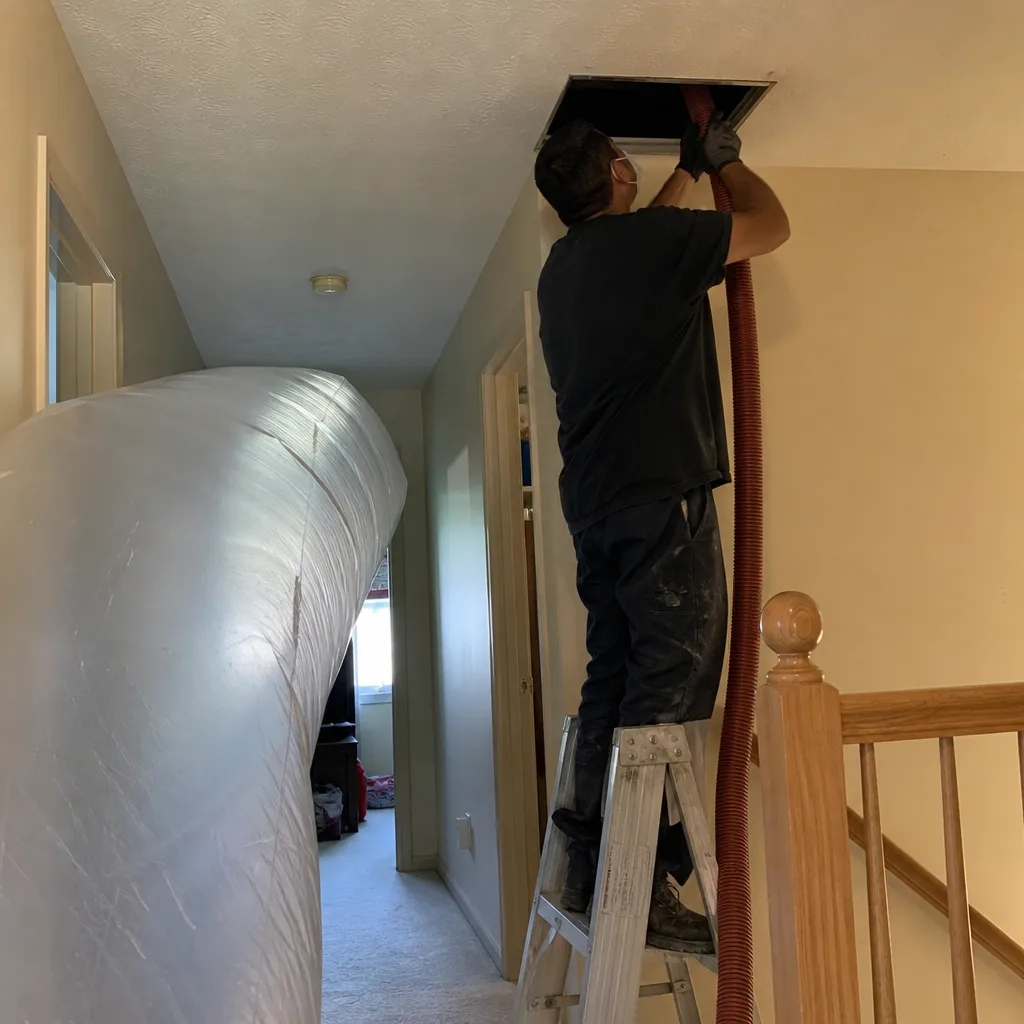
This log is designed to print and store with your home records; find more guides & resources on our blog to complement it. Use one sheet per year. The fields are specific enough to reveal trends but simple enough to complete in ten minutes per quarter.
Header: Address | HVAC System Age | Filter Type & MERV Rating | Date of Last Professional Cleaning
For each register, record:
| Location | Register Type (floor/wall/ceiling) |
Dust Depth (none/trace/1/16″/1/8″/more) |
Odor Present? (Y/N, describe) |
Visible Staining? (Y/N, describe color) |
Airflow Strength (strong/moderate/weak) |
Date Observed |
|---|---|---|---|---|---|---|
| Example: Master BR, north wall | Wall | 1/16″ | N | N | Moderate | 3/15/2025 |
Additional notes section: Record any of the following: recent renovations, pest activity, water intrusion events, filter changes, or unusual HVAC cycling patterns.
Interpretation guidance for Schaumburg homeowners:
- Dust depth increasing at floor registers only: Likely foundation settling drawing soil particulate. Common in homes under 10 years old in the Weathersfield and Sheffield neighborhoods.
- Odor present at basement registers in summer only: Suggests condensation on liner insulation in humid conditions. Photograph and monitor; professional evaluation warranted if odor persists into October.
- Staining at return registers: Usually indicates filter bypass or missing filter. Check filter fit and seal integrity.
- Weak airflow at single register: Possible duct collapse, particularly in flex duct runs in unconditioned attics. Professional inspection needed; do not attempt to clear with household tools.
Store completed logs with your home inspection documents, warranty files, and improvement records. At sale, this documentation demonstrates maintenance diligence and can inform buyer negotiations.
The Three Physical Checkpoints Any Homeowner Can Photograph
These three locations are accessible without tools, safe to photograph, and representative of overall duct condition. Taken annually from consistent angles, they create a visual timeline more useful than any verbal description.
Checkpoint 1: Main Supply Plenum
The plenum is the large sheet-metal box connected directly to your furnace or air handler. In most Schaumburg homes, it’s located in the basement or utility closet. To photograph: remove the filter, set your phone to flash, and shoot straight into the plenum through the filter slot. You’re looking for debris accumulation on the bottom surface, discoloration of the metal, and any visible mold on seams or insulation. Take the photo from the same angle each year; tape a small mark on the furnace cabinet to ensure consistency.
What to record: estimated debris depth (use a ruler placed inside for scale), color of any staining, and whether the bottom shows a debris line indicating past water intrusion.
Checkpoint 2: Mid-Run Flex Duct Section
Flex duct, the ribbed plastic-sleeved tubing common in Schaumburg homes since the 1990s, is vulnerable to crushing and internal debris buildup. Locate a section in an unfinished basement or attic (only if safe to access; skip this checkpoint if your attic requires ladder climbing beyond a pull-down stair). Photograph the exterior first: look for kinks, sagging, or compression where straps are overtightened. Then, if the duct has an existing access point or you’re comfortable removing a register at the terminus, photograph the interior at the first elbow.
What to record: exterior condition, interior debris depth at the elbow (where airflow changes direction and debris settles), and any odor when the register is removed.
Checkpoint 3: Return Air Box
The return air box is the sheet-metal chamber behind your largest return grille, typically in a hallway or common area. Remove the grille and filter. Photograph the interior surfaces with flash. This location accumulates the most debris because all household air passes through it. It’s also where we most commonly find construction debris in newer Schaumburg homes: drywall fragments, wood chips, and insulation scraps left by builders.
What to record: debris type (fibrous dust, gritty particulate, or construction debris), depth, and any gaps between the box and wall framing that allow unfiltered air bypass.
Store these photos in a dedicated folder named by date. Before your next professional service, review the sequence. If Checkpoint 1 showed clean metal in 2022 and a 1/4-inch debris layer in 2025, you have objective evidence that conditions have changed, not just a vague sense that “the air seems dustier.”
Where the Homeowner’s Role Ends: Equipment and Safety Limits
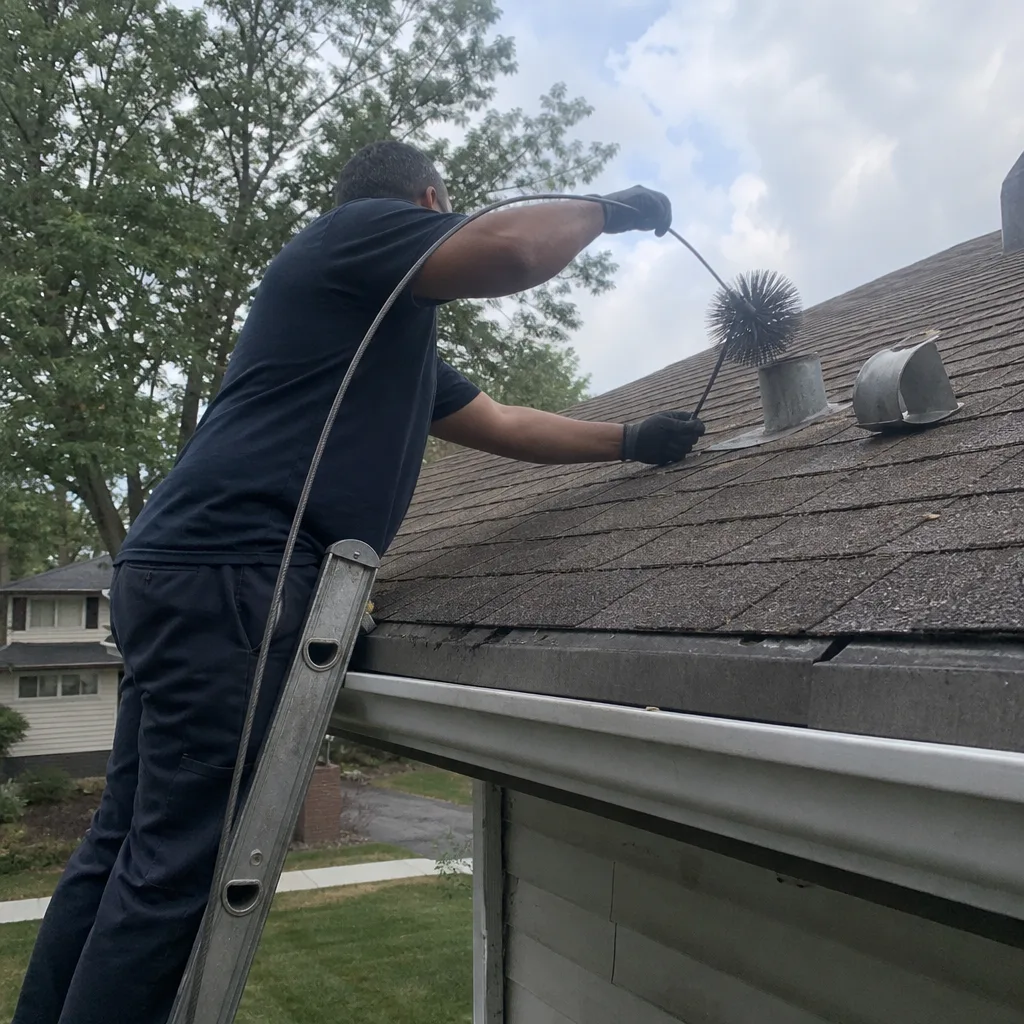
The boundary between homeowner maintenance and professional service isn’t arbitrary. It follows from equipment requirements, safety risks, and the potential for system damage.
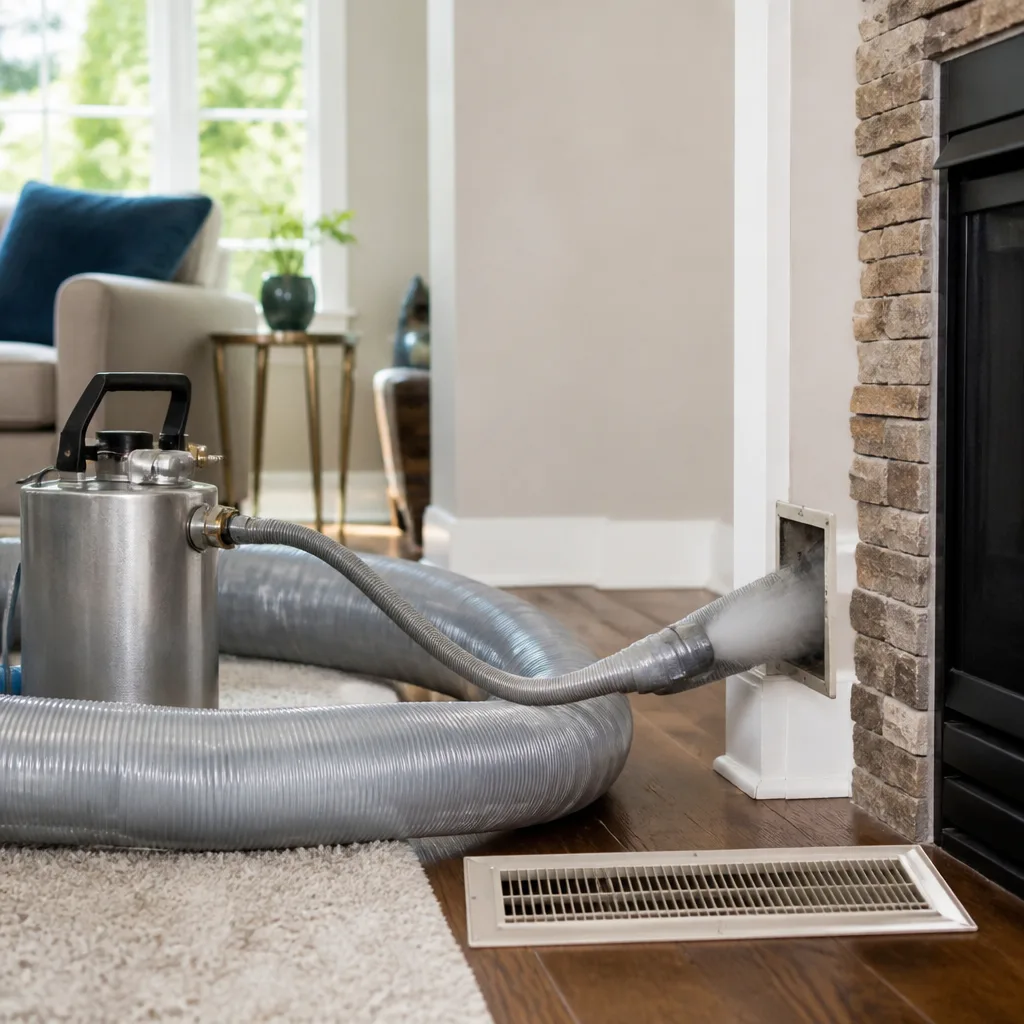
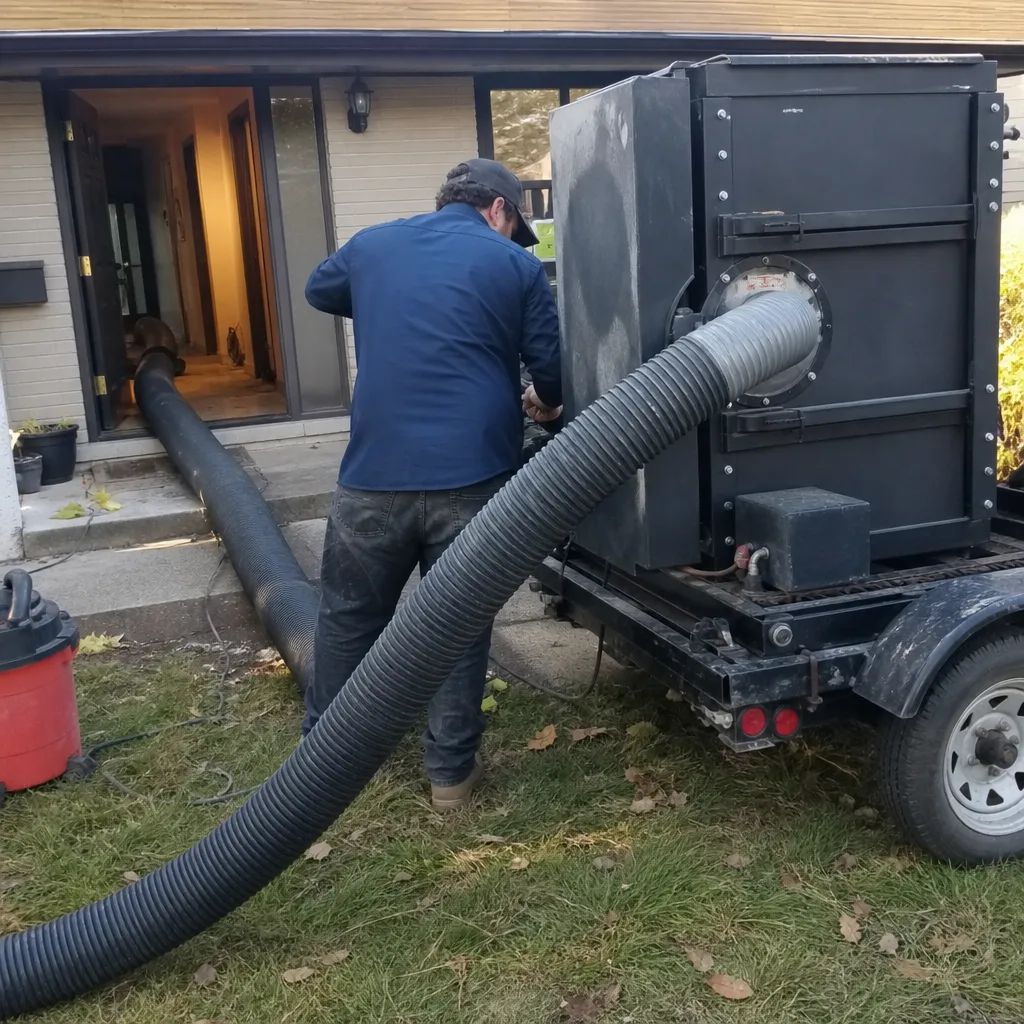
Negative-pressure extraction. Professional duct cleaning requires a vacuum system capable of maintaining sufficient airflow to capture debris without releasing it into occupied space. The equipment we deploy, including Abatement Technologies and Nikro portable HEPA vacuums, generates suction measured in inches of water column, not the airflow rating of household vacuums. A household vacuum lacks both the suction and the containment to clean beyond the boot without redistributing fine particulate through the home.
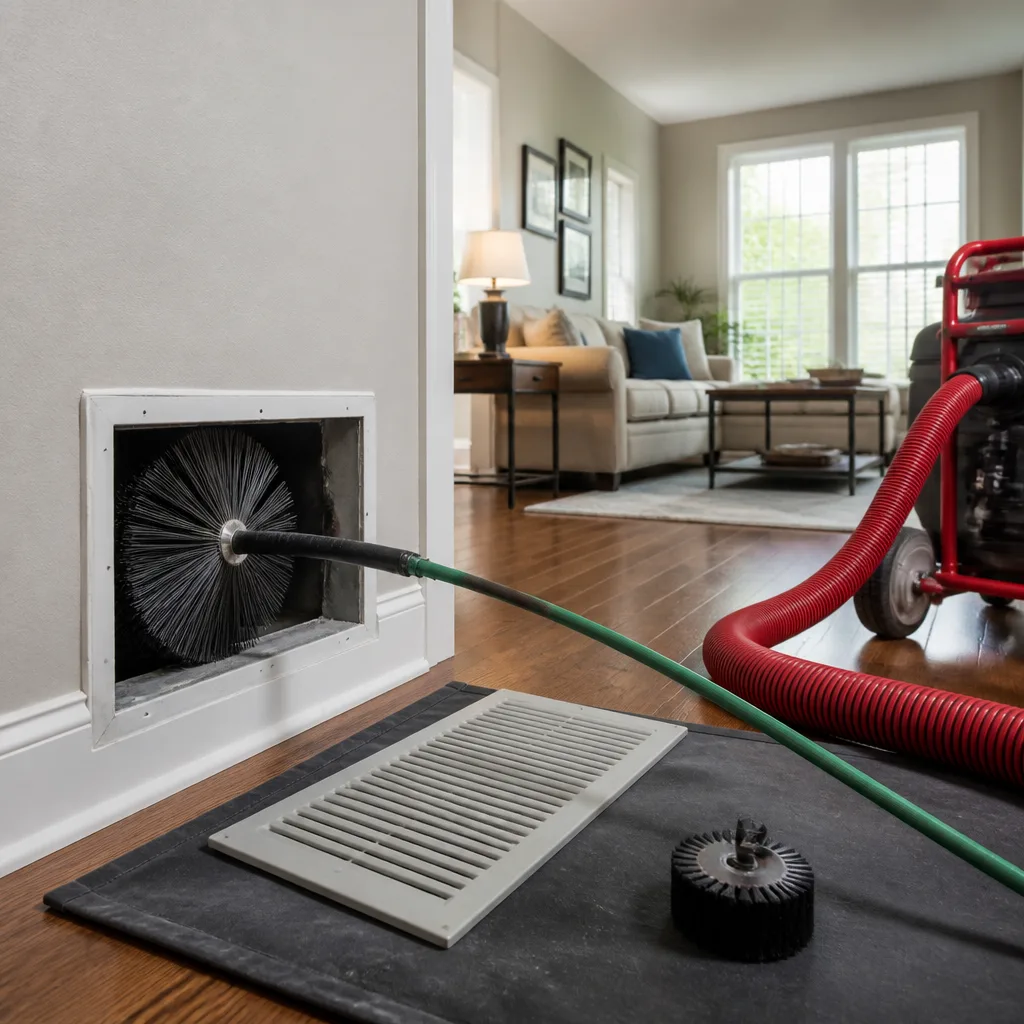
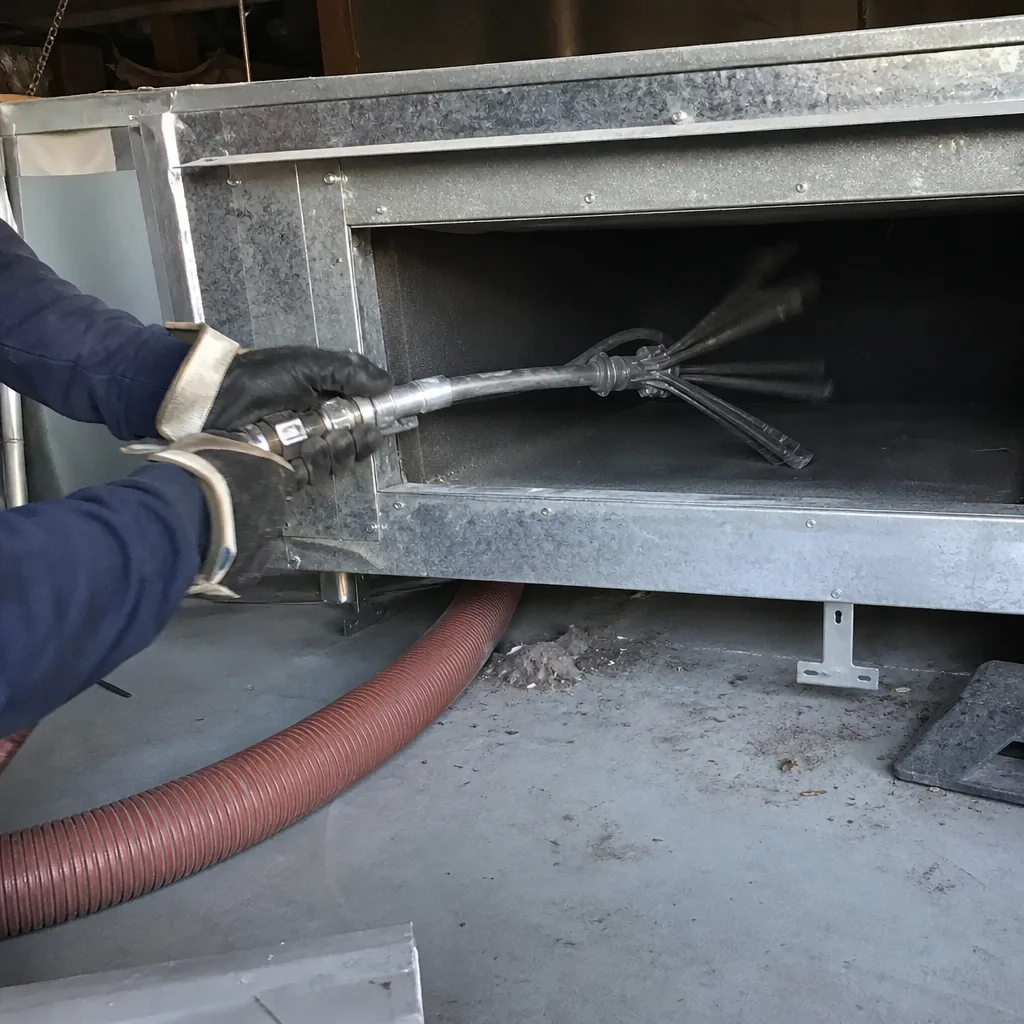
Rotary brush systems. Tools like the Rotobrush use rotating bristle heads on flexible shafts to dislodge adhered debris. Operating these without training risks puncturing flex duct, dislodging connections at collars, or trapping the brush in a collapsed section. We’ve responded to calls in Schaumburg where a homeowner’s rented brush became lodged 20 feet into a duct run, requiring duct section replacement.
Biocide and sealant application. EPA-registered antimicrobial treatments require application under containment, with post-application air sampling in some jurisdictions. Illinois does not currently require post-treatment testing for residential duct sanitizing, but improper application can leave chemical residues that become airborne during normal HVAC operation. This is not a homeowner task.
Static pressure testing. After any internal duct disturbance, system balance must be verified. Professional service includes pre- and post-cleaning static pressure measurements to ensure airflow hasn’t been restricted by collapsed liners or dislodged dampers. Homeowners lack the manometers and training for this verification.
The HVAC Cleaning in Schaumburg service we provide includes full-system evaluation, not just debris removal. This distinction matters for warranty coverage and for the 365-Day Done Right Promise, which applies only to work performed under our documented scope.
Honest Re-Cleaning Intervals by Household Type
Industry marketing often suggests annual duct cleaning for everyone. This is inaccurate and economically wasteful. Intervals should reflect actual conditions, which vary by household composition, construction, and local environment.
| Household Profile | Recommended Professional Interval | Schaumburg-Specific Notes |
|---|---|---|
| 2 adults, no pets, pre-2015 construction | 5-7 years | Older construction allows more natural ventilation, reducing accumulation rate. Monitor Checkpoint 1 annually. |
| 2 adults, no pets, post-2015 construction | 4-5 years | Tighter envelope increases concentration; clay soil settling may accelerate particulate entry in years 1-7. |
| Family with 1-2 pets | 3-4 years | Pet dander is lightweight and accumulates in return ductwork. Check return air box (Checkpoint 3) more frequently. |
| Family with 3+ pets or multiple shedding breeds | 2-3 years | Hair volume can overwhelm standard filters. Consider upgrading to MERV 11-13 if system allows. |
| Allergy or asthma sensitive occupants | 2-3 years, with annual inspection | Documented Photo Record especially valuable for verifying improvement. Pair with Dryer Vent Cleaning in Schaumburg to reduce overall particulate load. |
| Finished basement with HVAC zone | 2-3 years | Basement humidity in Schaumburg promotes liner degradation. Monitor for musty odors seasonally. |
| Recent renovation (last 2 years) | Inspect at 12 months, clean at 24 if needed | Construction debris bypasses filters. Post-renovation cleaning is often necessary regardless of prior interval. |
These intervals assume standard 1-inch pleated filters changed quarterly. Extended-life filters or electronic air cleaners may alter accumulation rates. The definitive guide is your documented photo record, not the calendar.
Building Your Home Record: Storage and Comparison Methods
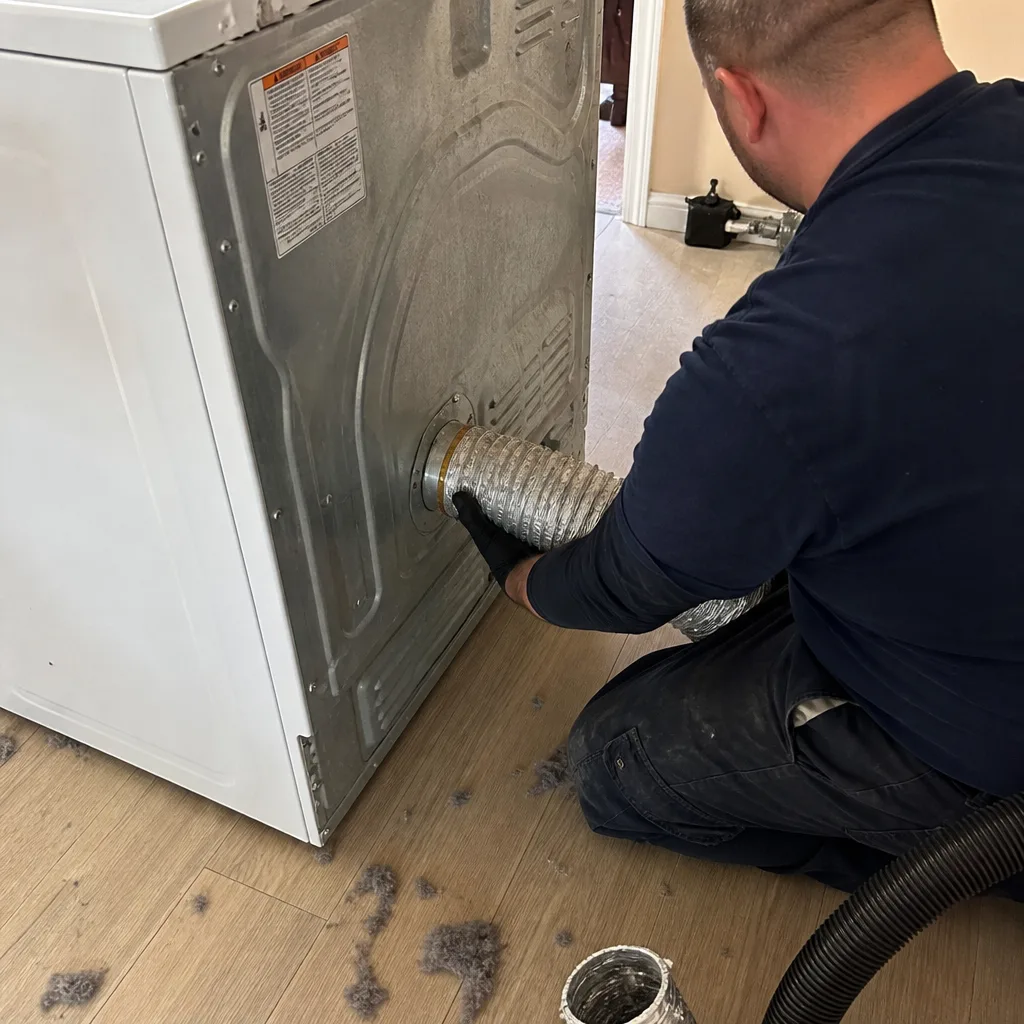
Documentation fails when it cannot be found or compared. Establish a system that outlasts your current phone and current address.
Physical storage: A 9×12 envelope labeled “HVAC Maintenance” in your home file box. Include printed inspection logs, dated photo prints (even phone photos can be printed at drugstore kiosks for pennies), and a summary sheet listing professional service dates, company names, and scope of work. Include CleanRun’s written scope and photo record if we’ve served your home.
Digital backup: Cloud storage is convenient but fragile. Accounts close, services change terms, and file formats become obsolete. Maintain at minimum: a folder on your primary computer, an annual backup to external drive, and one cloud copy. Name files systematically: 2025-03-15_Plenum_Checkpoint1.jpg, not IMG_4738.jpg.
Comparison method: Open two photos side by side at identical zoom. Look for:
- Color shift: yellowing or darkening of metal surfaces
- Debris line advancement: how far up the plenum bottom debris extends
- New features: stains, mold spots, or construction debris that weren’t present previously
At home sale: Transfer the complete file to the buyer. This demonstrates maintenance diligence and provides baseline for their future decisions. In Schaumburg’s competitive resale market, documented home maintenance supports asking price and reduces inspection contingencies.
The CleanRun Air Duct Cleaning Schaumburg home page lists our full service scope and the H.A.V.E.N. Standard clauses that govern every interaction. Haven Standard Clause 4, Documented Results, requires that every customer receive their photo record in a format suitable for long-term storage.
Common Mistakes to Avoid
- Assuming clean registers mean clean ducts. Registers are the visible 5% of the system. We’ve photographed plenums caked with debris while the registers above them appeared spotless.
- Using the highest MERV filter available. Filters above MERV 13 can restrict airflow in residential systems not designed for the pressure drop, straining the blower motor and reducing efficiency. Check your furnace manual for maximum recommended MERV.
- Ignoring seasonal odor patterns. A musty smell that appears only in July and August, then disappears, still indicates a moisture problem. Document it; don’t dismiss it because it’s intermittent.
- Attempting to clean flex duct with household tools. The spiral wire helix inside flex duct can be punctured by rigid tools, creating leaks that reduce airflow and increase energy costs. Schaumburg’s cold winters make this especially costly.
- Accepting “visual inspection only” as equivalent to documented photography. A technician who looks and reports without recording creates no verifiable record. Insist on dated, delivered photos of your actual ductwork, not stock images.
- Following national interval advice without local adjustment. The pollen load, soil composition, and humidity cycling in Schaumburg differ from Phoenix, Seattle, or even downstate Illinois. Shorten intervals during high-construction years in your neighborhood.
When to Call a Professional
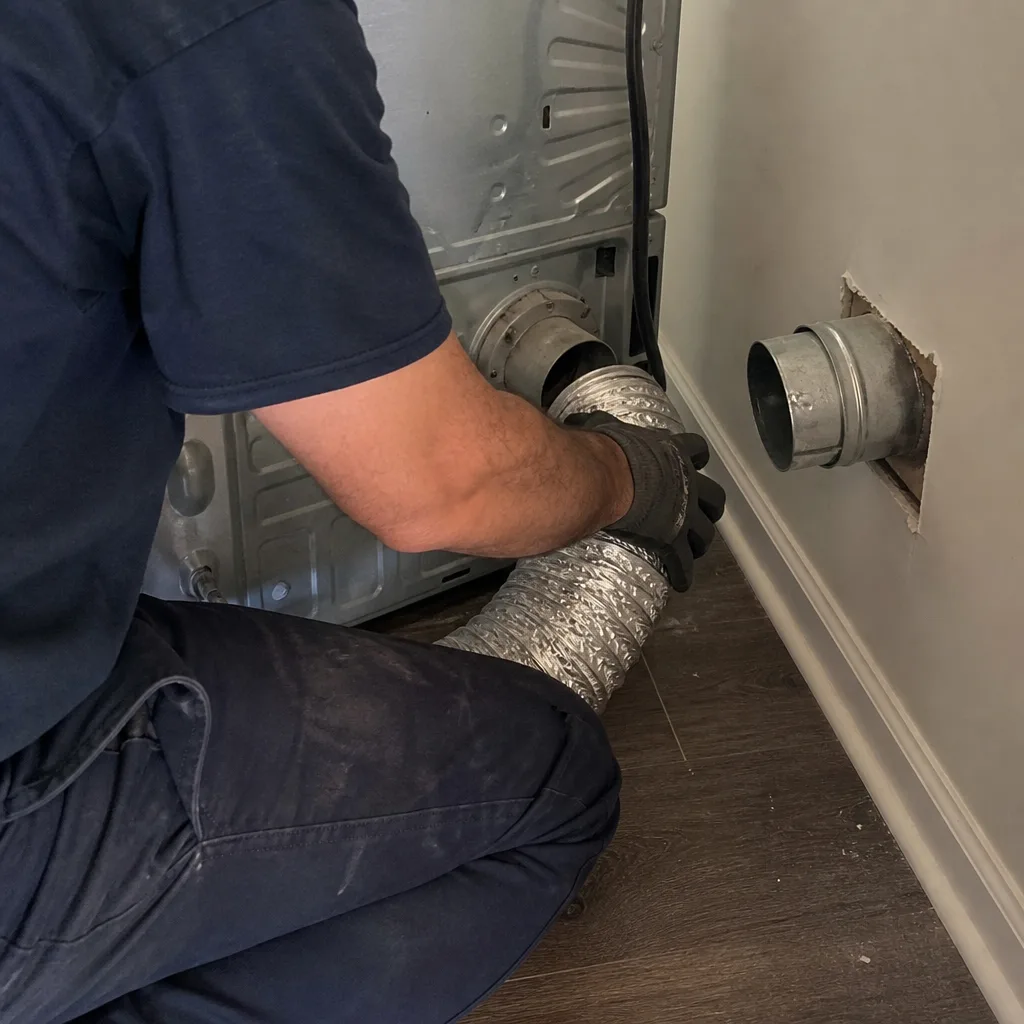
Call for evaluation when your documentation shows accelerating debris accumulation, when odors persist after filter changes and register cleaning, or when any checkpoint photograph reveals visible mold, standing water, or pest debris. Also call after any water intrusion event affecting duct-adjacent spaces, even if ducts appear dry; moisture wicks into liner insulation and creates delayed problems.
CleanRun Air Duct Cleaning Schaumburg offers free estimates in Schaumburg. Our evaluation includes the three-checkpoint photography protocol described here, a written scope with fixed pricing before any work begins under Haven Standard Clause 1, and a Documented Photo Record included as standard on every visit. Equipment on every truck includes Rotobrush and Nikro systems, with Abatement Technologies HEPA containment. Call (224) 385-0904 to schedule. We also provide a Free Second Opinion on any written estimate from another provider.
Frequently Asked Questions
Whole-system air duct cleaning in Schaumburg typically ranges from $450 to $850 for a standard single-furnace home, depending on duct complexity, accessibility, and whether sanitizing treatment is included. CleanRun delivers a written price before any work starts, with no per-vent add-ons or post-arrival upsells. Call (224) 385-0904 for an exact quote; estimates are free.
Low quotes usually reflect limited scope: a shop vacuum at each register, no internal photography, no containment, and no verification of system balance after cleaning. The $79 coupon model relies on arriving at your home and discovering “problems” that multiply the final invoice. CleanRun’s pricing is fixed per system, agreed in writing before work begins, and includes the Documented Photo Record of every duct run.
Demand dated, location-specific photographs of your actual ductwork, not generic before-and-after samples. CleanRun’s standard deliverable includes interior photos of every duct run, labeled by location, delivered with the final invoice. If a company cannot show you photos of your specific system, you cannot verify the scope.
Most Schaumburg homes need professional cleaning every 3-5 years, with shorter intervals for pet-heavy households, finished basements, or allergy-sensitive occupants. The definitive answer comes from your documented photo record, not the calendar. If your annual Checkpoint 1 photo shows no significant change after three years, extend the interval. If it shows rapid accumulation, shorten it.
You can clean register grilles and the boot (the visible sheet-metal transition behind the grille) with a household vacuum. Beyond that, the risks outweigh the benefits. Flex duct tears easily, metal duct edges cut hoses, and without negative-pressure containment you’ll redistribute fine particulate through your home. For the duct runs themselves, professional equipment and training are necessary.
Schaumburg’s combination of clay soil, lake-effect humidity swings, and high tree pollen creates specific stress on duct systems, particularly in homes built 2015-2025 with tight envelopes. These factors don’t necessarily make cleaning more frequent, but they make documentation more important. Conditions change faster here than in drier, more stable climates, so annual photography reveals problems earlier.
The Bottom Line
An air duct cleaning maintenance checklist is only as good as the record it creates. For Schaumburg homeowners, this means photographing three accessible checkpoints annually, logging register conditions quarterly, and storing records with home files for comparison over time. The environmental factors specific to this area, clay soil settling and humidity cycling, make generic national advice unreliable. Do what you can safely: filters, grilles, visual checks. Leave internal cleaning to professionals with documented equipment, written pricing, and delivered photo records. The goal isn’t cleanliness for its own sake; it’s having enough information to make rational decisions about a system you cannot see.
Written by Tomas Reyes, Owner at CleanRun Air Duct Cleaning Schaumburg, serving Schaumburg since 2013.