
Last updated September 23, 2026
Whole-system duct and dryer vent check with before-and-after photos - you see exactly what came out of your vents
That "$99 whole-house special" is a bait ad - the real number appears once they are in your hallway, or the "clean" is a shop-vac at the register. We photograph the inside of your ducts before and after instead.
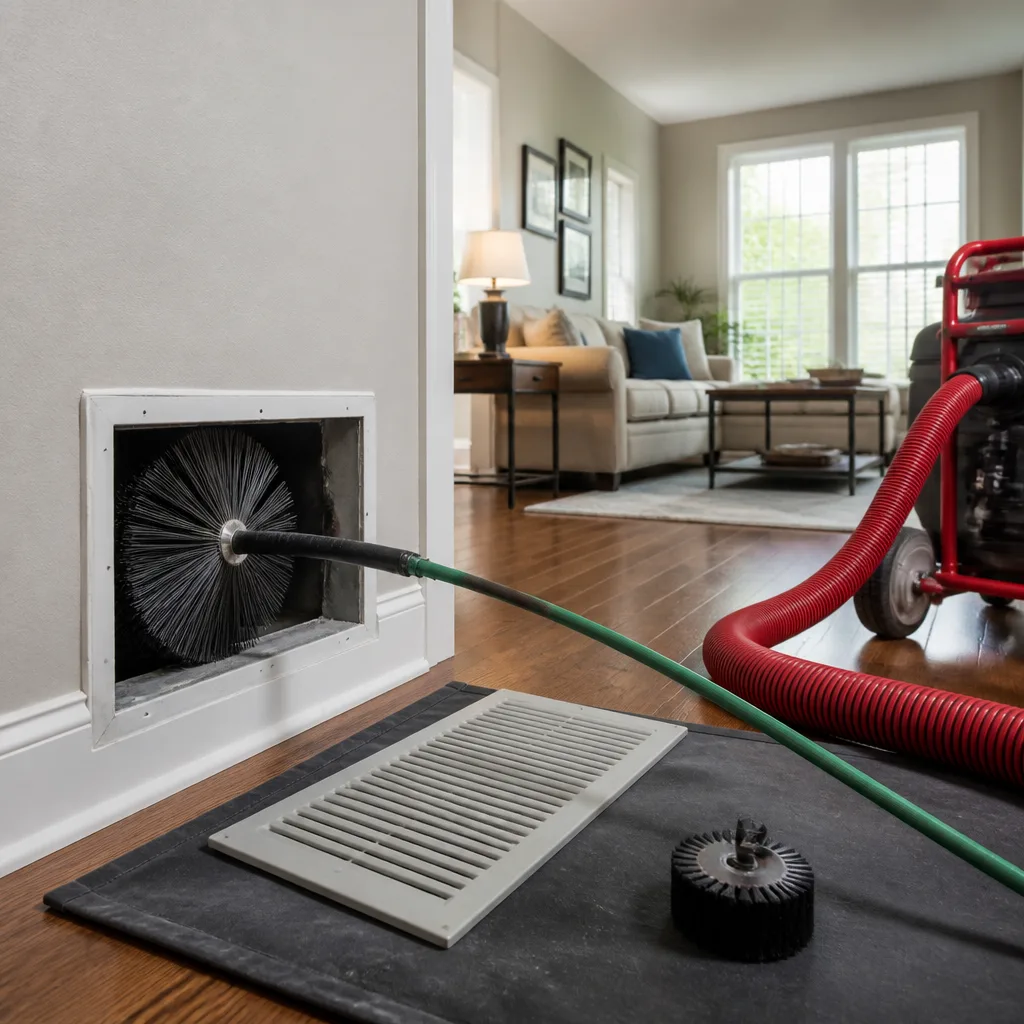
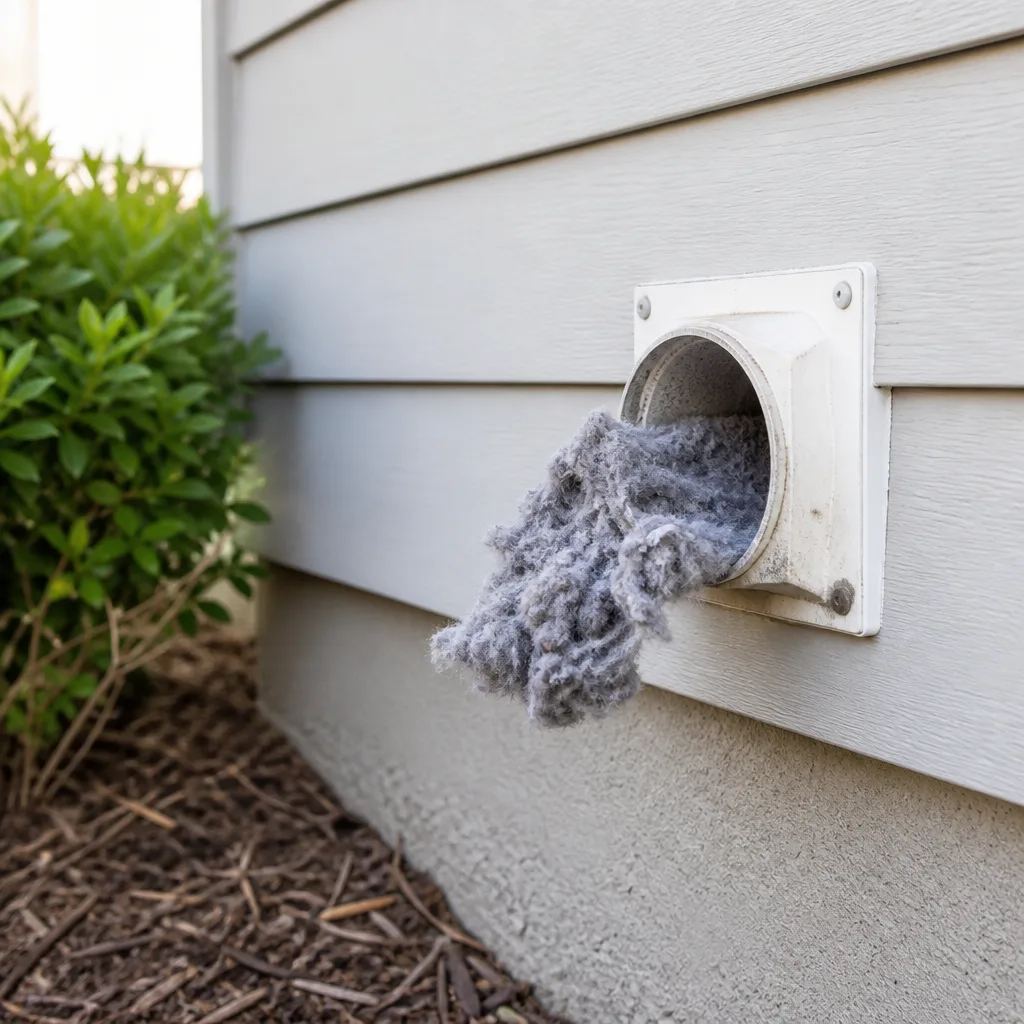
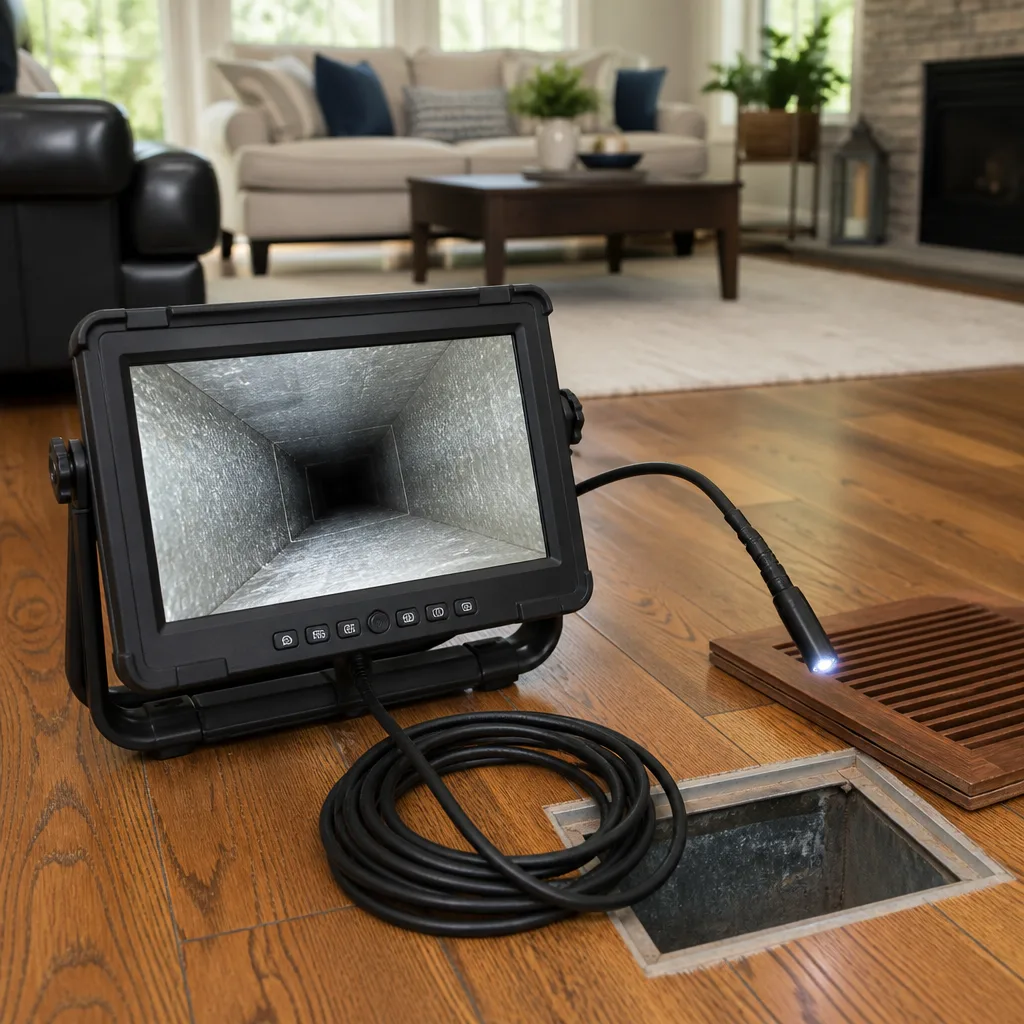
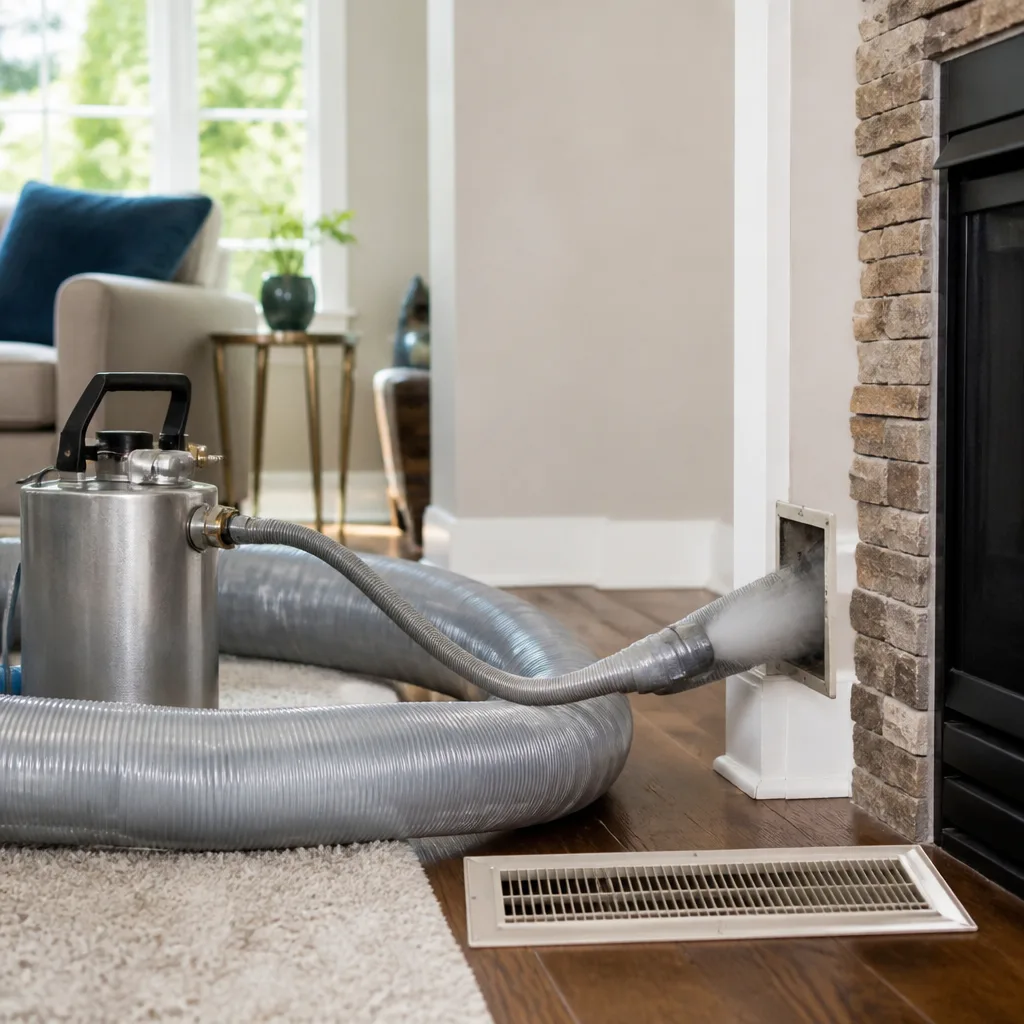
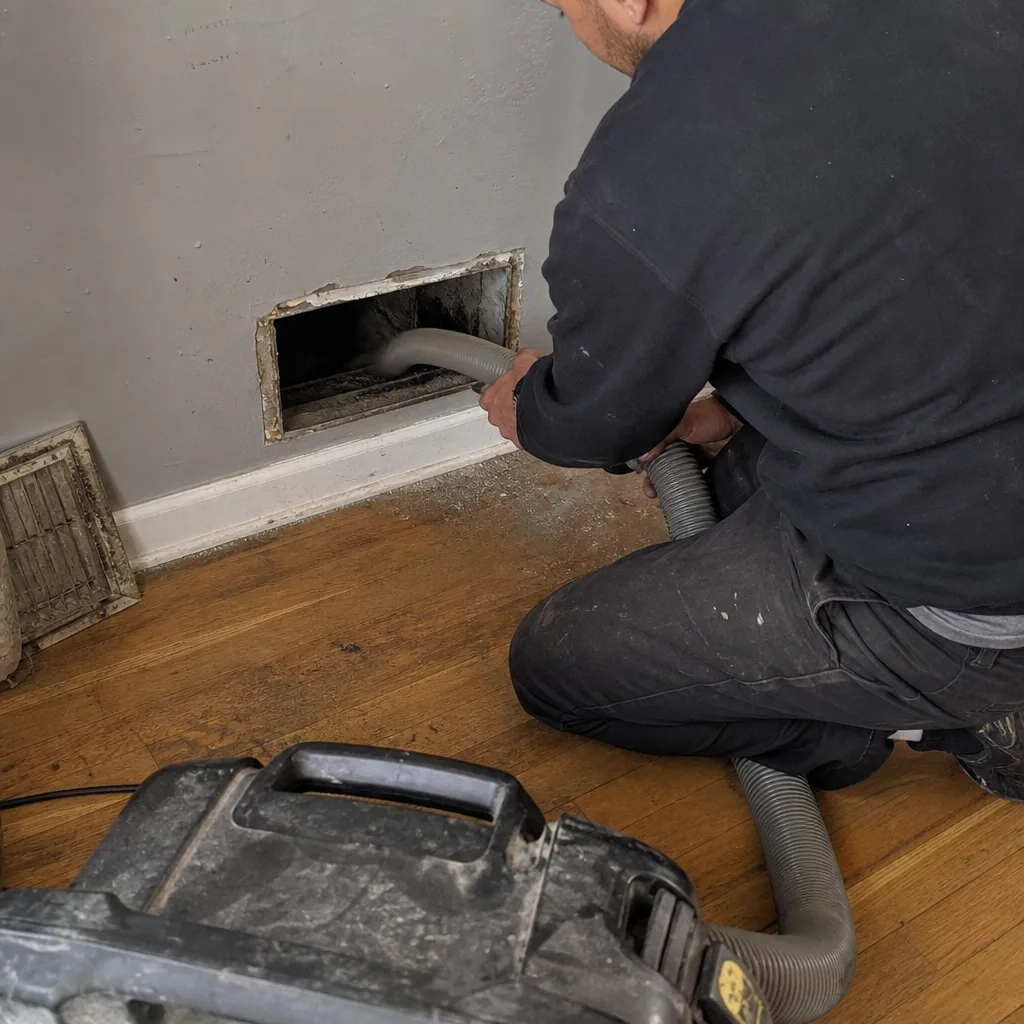 Before
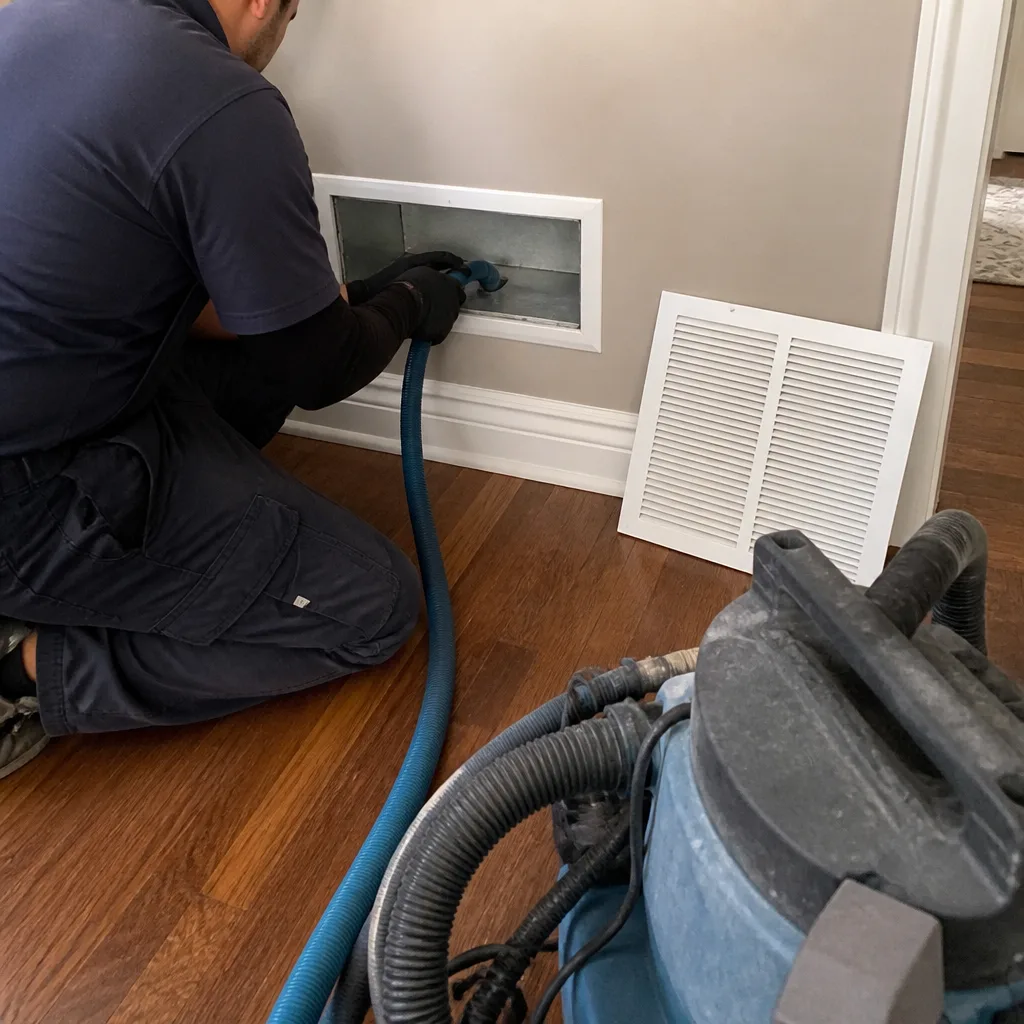 After
After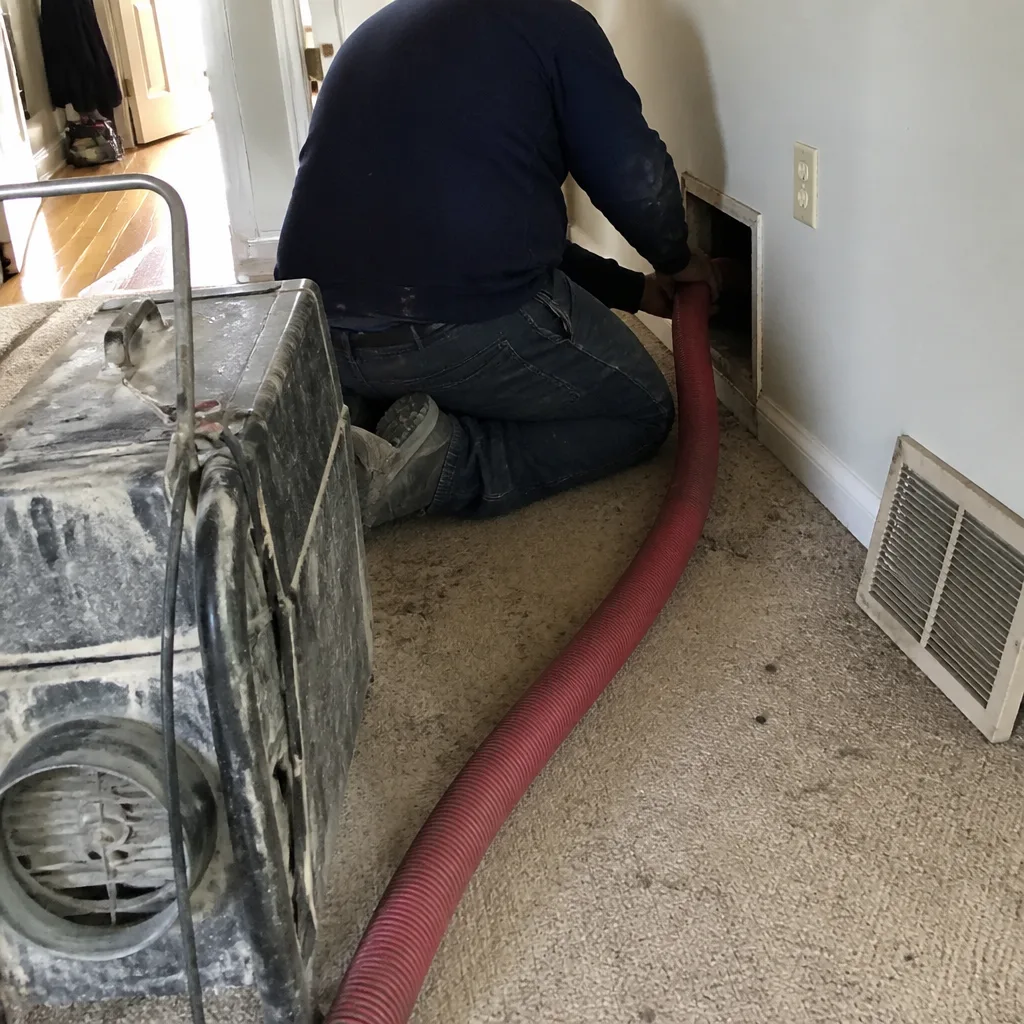 Before
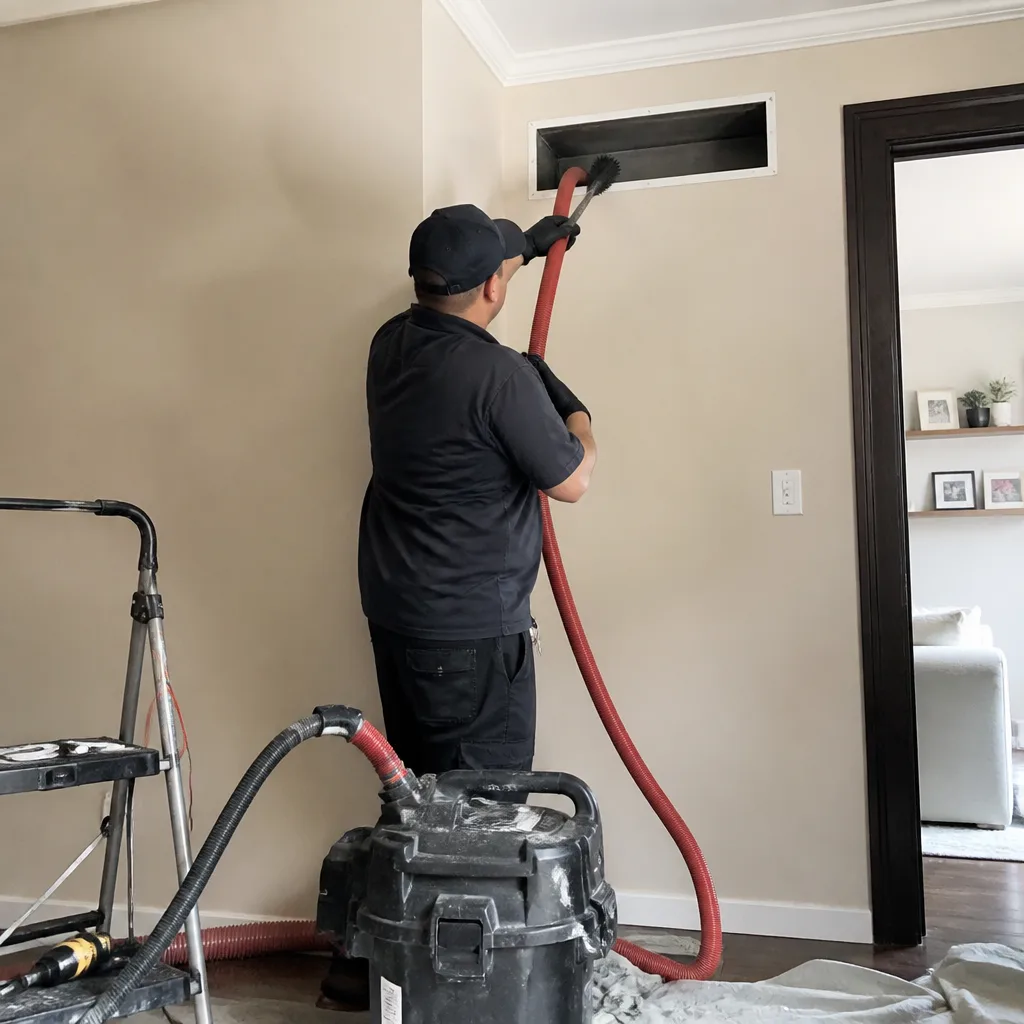 After
After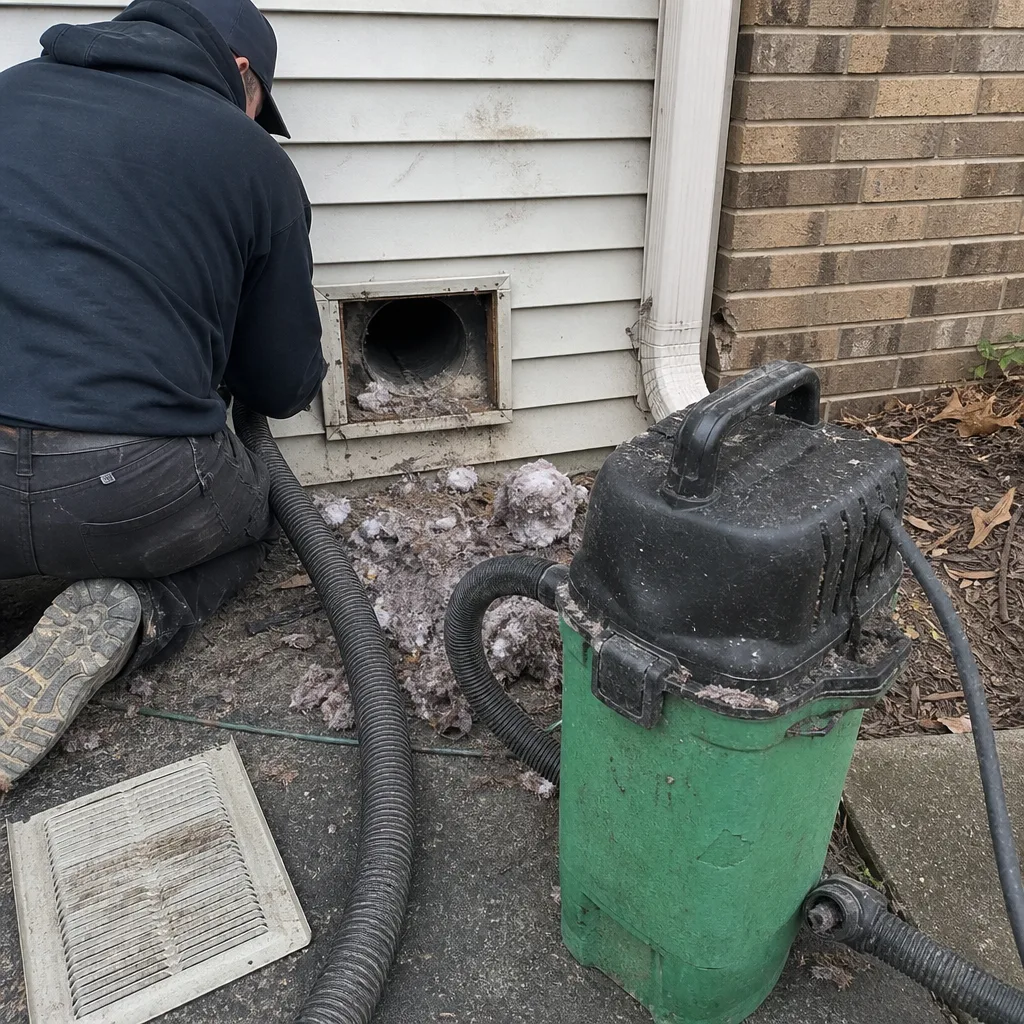 Before
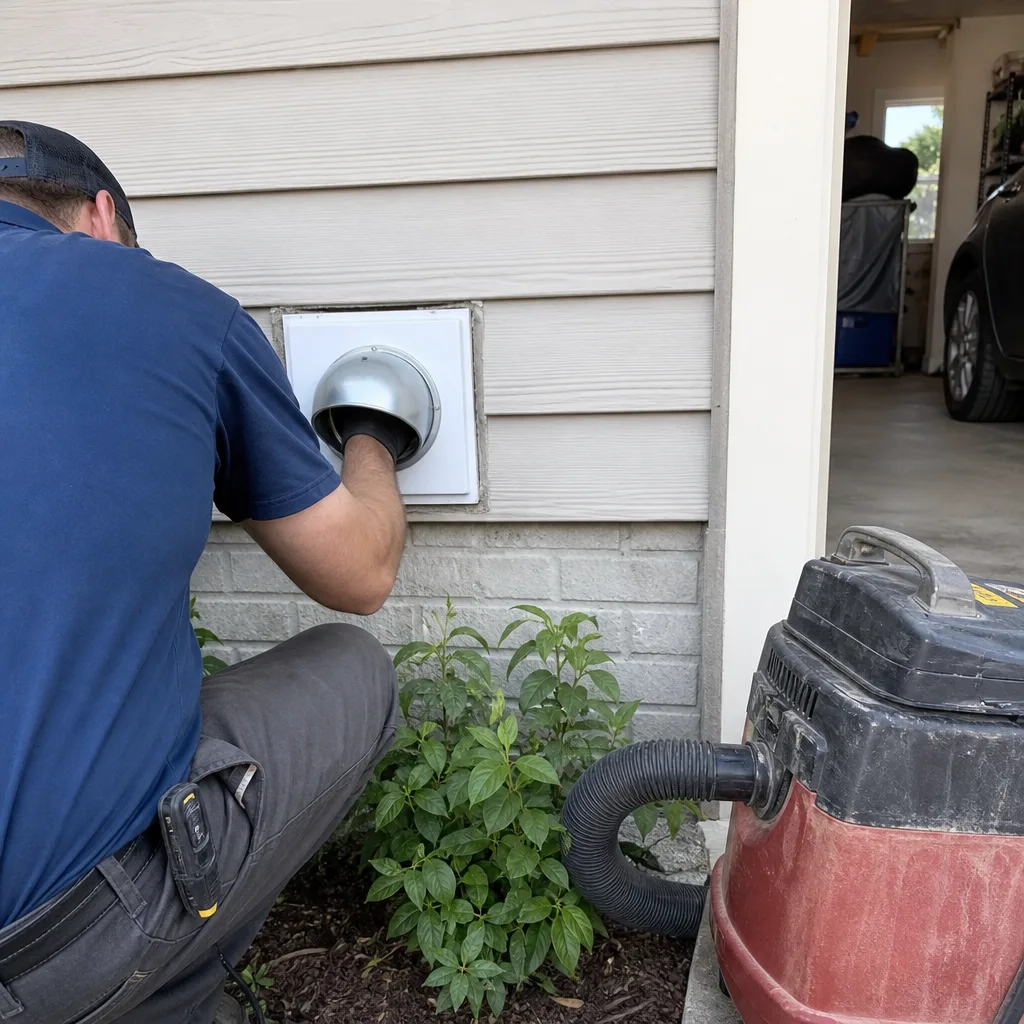 After
AfterAir Duct Cleaning Permits, Codes & Inspections in IL: What You Need to Know
Here’s the line most homeowners in Schaumburg never hear until it’s too late: cleaning your air ducts doesn’t require a permit, but reconnecting a disconnected duct run, replacing a collapsed section, or sealing a previously open plenum with mastic and sheet metal screws does. In 2019, we arrived at a home in the Weathersfield neighborhood where a previous contractor had reattached a fallen flexible duct in the crawl space without pulling the required mechanical permit. The work looked fine until the home went on the market two years later, and the buyer’s inspector flagged it. The seller faced a choice: tear out finished basement ceiling to expose the repair for Village inspection, or accept a $4,000 price reduction. Our Complete Guide to Air Duct Cleaning in Schaumburg explains exactly where Illinois state code and Schaumburg’s local amendments draw the line between maintenance and alteration, what permits actually cost, and how to protect yourself from the liability gap that opens when ductwork is repaired without proper documentation.
Quick Answer
Air duct cleaning alone does not require a permit anywhere in Illinois. However, duct repair, replacement, or sealing of previously disconnected sections qualifies as mechanical alteration work under the Illinois Mechanical Code (IMC), and in Schaumburg, this requires a permit through the Village’s Community Development Department when the work exceeds routine maintenance. If a technician performs this work without a permit, the homeowner holds the liability if problems surface during a future home sale or insurance claim.
Table of Contents
- Cleaning vs. Repair: Where the Permit Line Sits
- The Illinois Mechanical Code: What It Actually Says
- Schaumburg Permit Requirements and Process
- What Ductwork Inspections Actually Verify
- The Liability Gap: Who Pays When Unpermitted Work Surfaces
- Permit Costs, Timelines, and When to Pull Them
- Choosing a Contractor Who Handles Codes Correctly
- Common Mistakes to Avoid
- When to Call a Professional
- Frequently Asked Questions
BeforeAfterCleaning vs. Repair: Where the Permit Line Sits
The distinction matters because it determines whether your job ends with a receipt or starts a paper trail with the Village of Schaumburg. We’ve documented this confusion in hundreds of homes across Schaumburg, Hoffman Estates, and Palatine since 2013, and share additional insights in our Air Duct Cleaning Warning Signs: A Schaumburg Homeowner’s Reference Guide.
Maintenance work (no permit required):
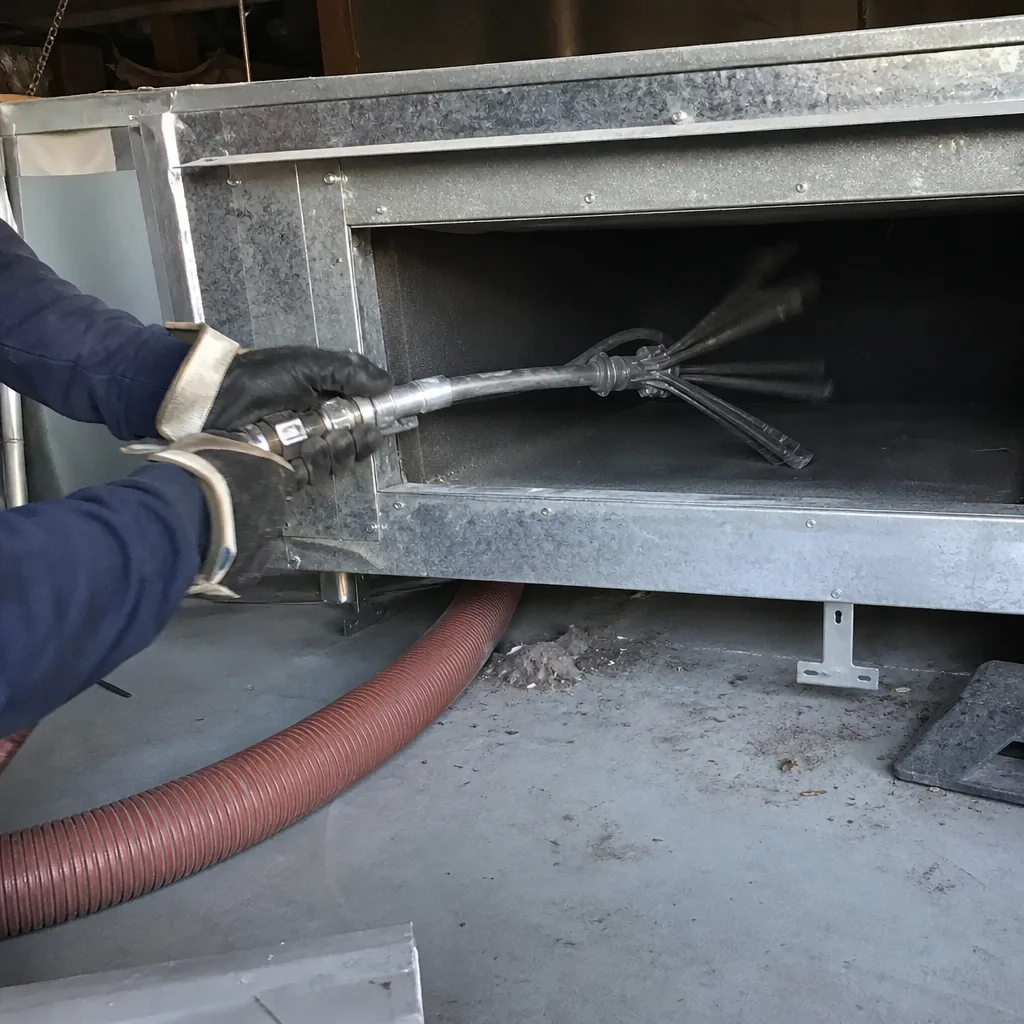
- Negative-pressure extraction of dust, debris, and biological growth from existing duct runs using equipment like Rotobrush or Nikro systems
- Cleaning of registers, grilles, and the plenum (the central distribution box where heated or cooled air collects before entering individual ducts)
- Application of EPA-registered sanitizers to interior duct surfaces, provided no physical modification occurs
- Inspection with camera systems to document condition before and after cleaning
Alteration work (permit required in Schaumburg):
- Reconnection of a disconnected duct run, even using existing materials
- Replacement of a collapsed or damaged flexible duct section with new material
- Sealing of a previously open junction or plenum breach with mastic sealant, foil tape, or sheet metal screws where none existed before
- Addition of a new branch duct to serve a finished basement or home addition
- Modification of duct sizing to accommodate a new HVAC system or zone
The 2018 IMC adoption by Schaumburg, with local amendments effective through the Village’s Unified Development Ordinance, classifies the second category as mechanical work requiring licensed contractor oversight and municipal inspection. The technician’s intent doesn’t matter. What matters is whether the physical state of the system changed.
We’ve photographed jobs in the Spring Valley area where a “cleaning” visit from another company included reconnecting a fallen duct in the attic. The homeowner received no permit documentation. When we arrived for a follow-up service two years later, the repair had separated again due to improper support strapping, and the original contractor had closed their Schaumburg operation. The homeowner had no recourse, and no permit history to reference for warranty or insurance purposes.
The Illinois Mechanical Code: What It Actually Says
Illinois operates under a state-adopted mechanical code with local amendment authority. The Illinois Mechanical Code (IMC), based on the International Code Council’s model with Illinois-specific provisions, governs all mechanical systems including heating, ventilation, and air conditioning ductwork. Schaumburg, as a home rule municipality in Cook County, enforces the IMC through its own Community Development Department with additional local requirements.
Key IMC sections relevant to ductwork:
- IMC Section 103.1: Requires permits for “installation, alteration, repairs, relocation, replacement, or addition” of mechanical systems. The code explicitly excludes “routine maintenance” from this requirement, but defines maintenance narrowly as cleaning, lubrication, filter replacement, and similar preservation work that does not change system configuration.
- IMC Section 202 (Definitions): Defines “alteration” as any change to a mechanical system that affects its operation, capacity, or safety. Reconnecting a disconnected duct changes airflow distribution, which affects operation. Replacing a 6-inch flexible duct with an 8-inch rigid duct changes capacity. Both trigger permit requirements.
- IMC Section 603: Governs duct construction and installation standards, including material specifications, support requirements, and sealing methods. Work performed under this section must be inspectable, which requires permit documentation.
- IMC Section 106: Establishes inspection requirements for permitted work, including rough-in inspection (before concealment) and final inspection (after completion).
Schaumburg’s local amendments, codified in Chapter 150 of the Village Code, add specific requirements for mechanical contractors working within Village limits. These include:
- Registration of all mechanical contractors with the Community Development Department before permit issuance
- Submission of scaled drawings for duct modifications exceeding 10 linear feet or involving new penetrations of fire-rated assemblies
- Mandatory rough-in inspection for any ductwork concealed behind drywall, soffits, or ceiling finishes
The climate context matters here. Schaumburg’s location in the humid continental zone, with summer dew points regularly exceeding 65°F and winter temperatures dropping below 0°F, creates specific ductwork stress patterns. We’ve found that flexible duct in unconditioned attics degrades faster here than in drier climates, increasing the frequency of repair needs that cross the permit threshold. The IMC’s material specifications for duct insulation and vapor barriers exist partly to address these regional conditions.
Schaumburg Permit Requirements and Process
If your ductwork service includes any alteration, the permit process through the Village of Schaumburg’s Community Development Department follows a specific sequence. We’ve guided homeowners through this process when our inspections reveal repair needs beyond cleaning scope.
Step-by-step permit process:
- Contractor registration verification: The mechanical contractor must be registered with Schaumburg’s Community Development Department. Registration requires proof of state licensure, general liability insurance, and workers’ compensation coverage. We maintain current registration and publish our license number on every proposal.
- Application submission: The contractor or homeowner submits a mechanical permit application, available at the Community Development Department counter at Village Hall (101 Schaumburg Court) or through the Village’s online permit portal. The application requires: property address, scope of work description, contractor information, and estimated project value.
- Plan review (if required): For duct modifications exceeding 10 linear feet, new branch additions, or work involving fire-rated assemblies, scaled drawings must accompany the application. The Village’s plan review typically takes 5-10 business days for residential mechanical work.
- Permit issuance: Upon approval, the permit fee is calculated based on project valuation. For typical residential duct repair, this ranges from $75 to $200. The permit card must be posted at the work site before work begins.
- Rough-in inspection: For concealed work, the Village inspector must examine ductwork before any covering is installed. Inspection requests are scheduled through the Village’s automated system, with next-day availability typical for mechanical rough-ins.
- Final inspection: After completion, a final inspection verifies proper installation, support, sealing, and operation. The inspector signs the permit card, which the contractor provides to the homeowner for retention.
Schaumburg Community Development Department contact:
- Location: Village Hall, 101 Schaumburg Court, Schaumburg, IL 60193
- Phone: (224) 385-0904
- Hours: Monday-Friday, 8:00 AM – 5:00 PM
- Online portal: Available through the Village website for application submission and inspection scheduling
We’ve observed that permit timelines in Schaumburg’s busier seasons (April-May and September-October, coinciding with HVAC changeover periods) can extend by 3-5 business days. Planning accordingly prevents project delays, particularly for homeowners coordinating duct repair with other renovation work.
What Ductwork Inspections Actually Verify
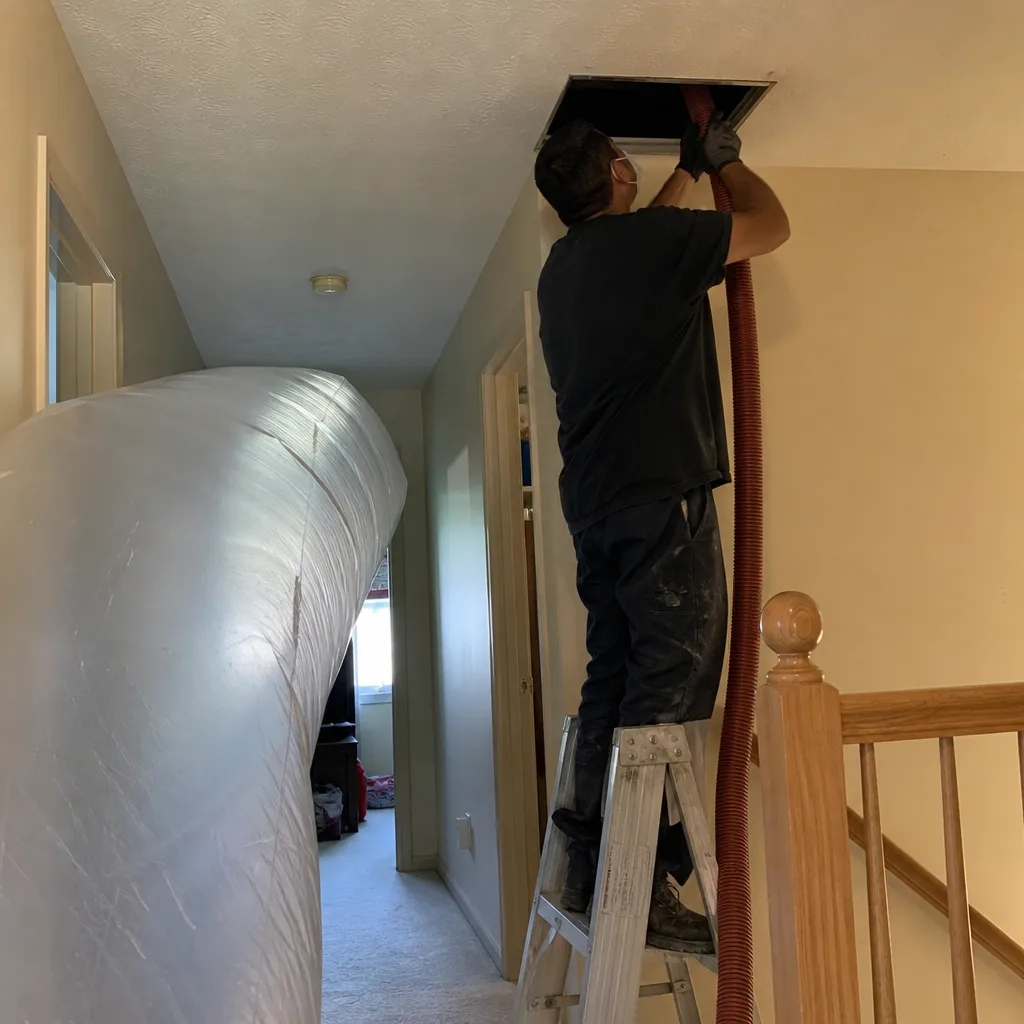
Homeowners often assume inspections are bureaucratic formalities. In our experience documenting over 52,000 homes, the inspection process catches meaningful problems in approximately 15% of permitted duct alterations. Understanding what inspectors verify helps explain why permits protect your investment.
Rough-in inspection elements:
- Duct material compliance: Verification that flexible duct meets UL 181 standards, rigid duct meets SMACNA (Sheet Metal and Air Conditioning Contractors’ National Association) construction standards, and insulation R-values match IMC requirements for the installation location
- Support and sag prevention: Flexible duct must be supported at intervals not exceeding 4 feet, with maximum sag of 1/2 inch per foot. We’ve photographed unsupported flexible duct in Schaumburg attics that had separated at connections due to gravity stress over time.
- Sealing method verification: Mastic sealant application at all joints and connections, with mechanical fastening (sheet metal screws or approved clamps) at flexible-to-rigid transitions. Foil tape alone is not code-compliant for permanent connections.
- Fire and smoke damper inspection: Any duct penetrating a fire-rated wall or floor assembly must include approved dampers, properly installed and accessible for testing
- Clearance to combustibles: Ductwork near flue pipes, recessed lighting, or other heat sources must maintain code-specified clearances or be protected with approved insulation
Final inspection elements:
- System operation test: Verification that airflow at all registers meets design specifications, typically measured with a calibrated anemometer
- Visual verification of concealed work: For work that was rough-in inspected, confirmation that no modifications occurred after approval
- Documentation completeness: Permit card signed, contractor affidavit submitted if required
The inspection record becomes part of your property’s permanent file with Schaumburg. When you sell, this documentation demonstrates compliance to buyer inspectors. When you file insurance claims related to HVAC failure, it establishes that work was performed to code. The air duct cleaning work we perform in Schaumburg includes full documentation of any repair recommendations and permit requirements, with photos of the conditions that triggered them.
The Liability Gap: Who Pays When Unpermitted Work Surfaces
This is where the permit conversation becomes expensive. Illinois law places responsibility for code-compliant work on the property owner, not the contractor, when permits are required but not obtained. The contractor’s liability for faulty workmanship still exists, but the absence of permit documentation complicates enforcement and insurance coverage.
Three scenarios we’ve encountered in Schaumburg:
- Home sale discovery: A 2021 home sale in the Highlands neighborhood stalled when the buyer’s inspector found a recently replaced duct section in the basement with no permit history. The seller had paid a contractor $340 for “duct repair” two years prior, receiving only a handwritten receipt. The Village required a retroactive permit ($150), exposed inspection ($200), and correction of two code violations ($680). Total cost to the seller: $1,130, plus two weeks of delayed closing.
- Insurance claim denial: A homeowner in Weathersfield South filed a claim for water damage resulting from a disconnected condensate drain line. The insurer’s adjuster noted recent duct modifications in the attic with no permit documentation. The claim was denied for “unlicensed alterations,” leaving the homeowner with $8,400 in uncovered remediation costs. The original contractor had dissolved; no recourse existed.
- Neighbor damage escalation: A townhouse in the Plum Grove area experienced ductwork separation that allowed humid attic air to condense in a party wall cavity, damaging the adjacent unit. The homeowners association discovered the repair had been performed without Village permit or association notification. The repairing homeowner faced liability for both units’ damage plus association fines.
The pattern is consistent: unpermitted work saves money upfront until it doesn’t. The savings average $75-200 in permit fees. The exposure averages $1,000-10,000 when problems surface. We’ve built our CleanRun Air Duct Cleaning Schaumburg home service model around eliminating this gap through transparent documentation, including explicit notation of any repair work that triggers permit requirements and written referrals to properly permitted contractors when we identify needs beyond our scope.
Permit Costs, Timelines, and When to Pull Them
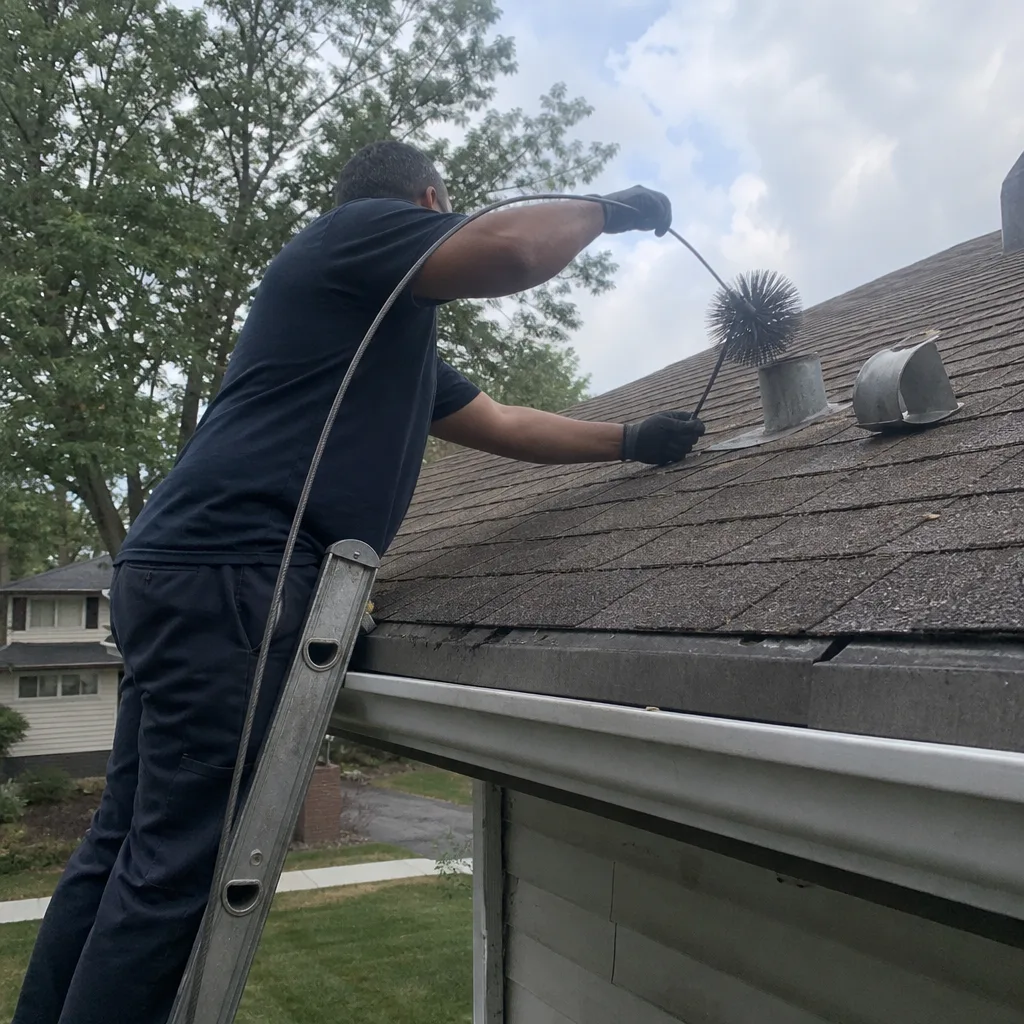
Understanding the full cost picture helps homeowners budget appropriately and recognize when a contractor’s quote seems incomplete.
Schaumburg mechanical permit cost structure:
| Project Type | Estimated Valuation | Permit Fee | Typical Timeline |
|---|---|---|---|
| Duct reconnection (single run) | $200-$400 | $75-$100 | 1-3 days |
| Duct section replacement (10-20 ft) | $400-$800 | $100-$150 | 3-7 days |
| New branch duct addition | $600-$1,200 | $150-$200 | 5-10 days |
| Full duct system modification | $1,500-$3,000 | $200-$350 | 10-15 days |
These fees exclude contractor charges for permit application preparation, which reputable contractors include in their proposals. We itemize this explicitly under Haven Standard Clause 1: written price before any work starts, with permit costs identified separately from labor and materials.
When permits are worth pulling even when borderline:
- Any work that will be concealed behind finished surfaces before you sell the home
- Repairs in multi-unit buildings where association rules or neighbor proximity create liability exposure
- Work performed by contractors you cannot verify as currently licensed and insured in Illinois
- Modifications that affect system airflow balance, where post-work performance documentation protects against future disputes
Schaumburg’s inspection scheduling operates on a next-business-day basis for mechanical rough-ins requested before 3:00 PM, with final inspections similarly available. This efficiency means permit requirements add minimal project duration when planned, but significant delay when discovered retroactively.
Choosing a Contractor Who Handles Codes Correctly
The contractor selection process reveals whether code compliance is built into their operation or treated as an afterthought. We’ve developed specific indicators through 12 years of observing industry practices in the Schaumburg market.
Documentation practices that indicate code awareness:
- Written proposals that distinguish “cleaning” from “repair” scope, with explicit permit notation for the latter
- License number displayed on vehicles, proposals, and website, not provided only upon request
- Photo documentation of conditions that trigger repair recommendations, with clear explanation of why permit applies
- References to specific code sections (IMC, local amendments) in written communications
- Provision of permit documentation as a standard deliverable, not an optional add-on
Red flags that suggest code avoidance:
- Verbal-only quotes that avoid written scope definition
- Pressure to perform “just a quick reconnection” without permit discussion
- Inability or unwillingness to explain which IMC sections apply to proposed work
- Proposals substantially below market rate, suggesting permit costs are being omitted
- No physical business address or contractor registration verifiable with Schaumburg
Our HVAC cleaning services in Schaumburg include preliminary inspection with camera documentation. When we find conditions requiring repair, we provide a written referral to permitted mechanical contractors, with our photos and findings documented for their use in permit application. We do not perform repair work ourselves, maintaining clear scope boundaries that protect homeowners from unpermitted alterations performed under the guise of cleaning.
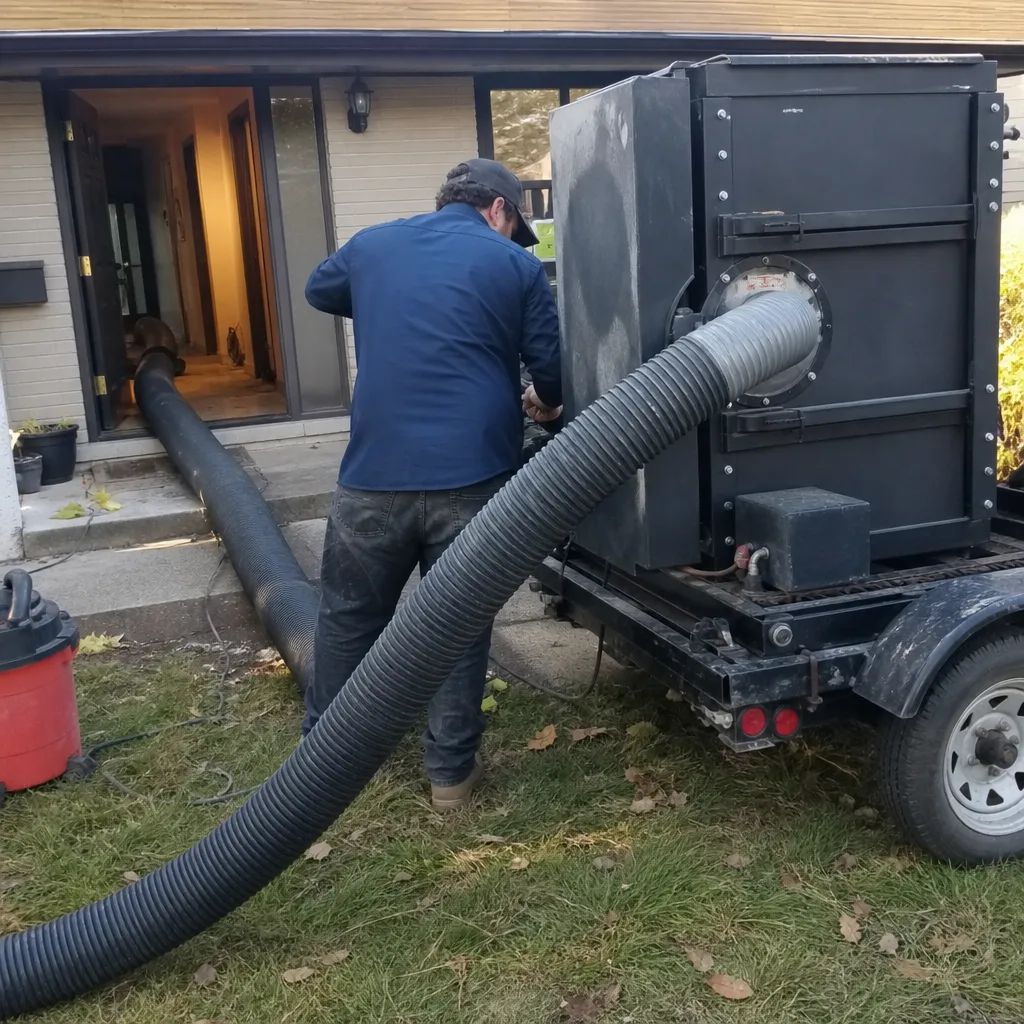
The equipment we use for inspection, including camera systems from Abatement Technologies and negative-pressure equipment from Nikro, produces documentation that supports proper contractor evaluation. Homeowners receive these photos as part of our standard deliverable, creating a record that outlasts any single contractor relationship.
Common Mistakes to Avoid
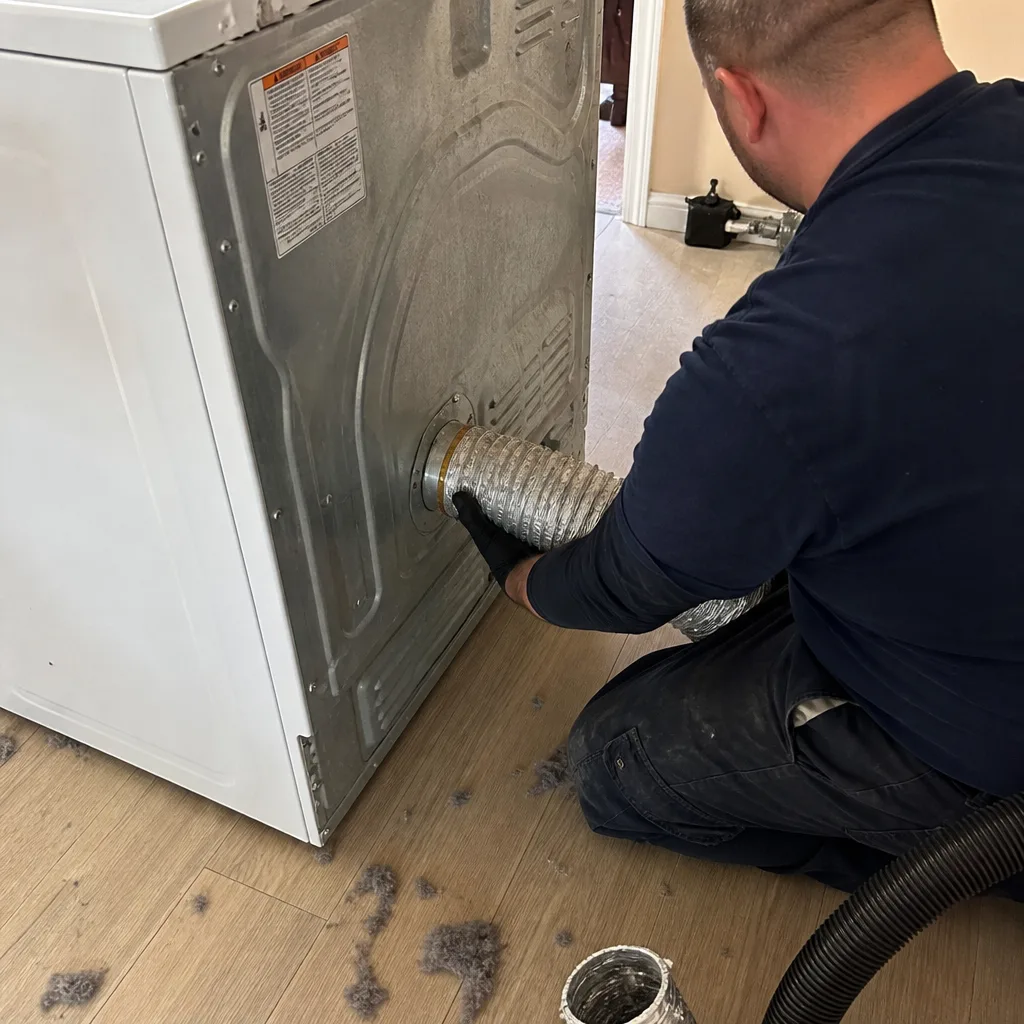
- Assuming “cleaning” covers everything: A Schaumburg homeowner in the Bode Lakes area accepted a “$199 whole house special” that included reconnecting a fallen duct in the crawl space. No permit was pulled. The reconnection failed within months because the contractor used zip ties instead of code-compliant supports. The original company refused warranty service, claiming the “reconnection was complimentary, not part of the cleaning scope.”
- Accepting verbal assurances about permits: Illinois law requires the property owner to ensure permits are obtained. A contractor’s verbal “don’t worry about it” provides no protection. Always request the permit card or inspection documentation before final payment.
- Concealing work before inspection: We’ve encountered homeowners who finished basement ceilings over newly installed ductwork to “keep the project moving,” only to learn the rough-in inspection was still pending. Exposing work for inspection costs far more than scheduling patience.
- Ignoring permit requirements for “minor” repairs: The IMC does not exempt small-scale work. A single reconnected duct run triggers the same permit requirement as a full system replacement. The permit fee reflects project scale, but the legal obligation does not.
- Failing to retain documentation: Permit cards, inspection sign-offs, and contractor invoices should be retained for the life of your homeownership. We’ve seen homeowners struggle to prove code compliance for 10-year-old work because documents were discarded with closing files.
- Hiring unregistered contractors: Schaumburg’s contractor registration requirement exists to verify insurance and licensing. Unregistered contractors performing mechanical work cannot legally obtain permits, making any work they perform automatically non-compliant.
When to Call a Professional
Contact a licensed mechanical contractor when your duct system needs more than surface cleaning: disconnected runs, visible damage to flexible duct, airflow loss in specific rooms, or evidence of past repairs without documentation. CleanRun Air Duct Cleaning services in Schaumburg offers free estimates - call (224) 385-0904. Our inspection includes camera documentation of internal conditions and explicit identification of any repair needs that would trigger permit requirements. We provide written referrals to properly permitted contractors for work beyond our cleaning scope, with our findings documented for their permit applications. Every inspection concludes with a written report and photo record, delivered before we leave the property.
Frequently Asked Questions
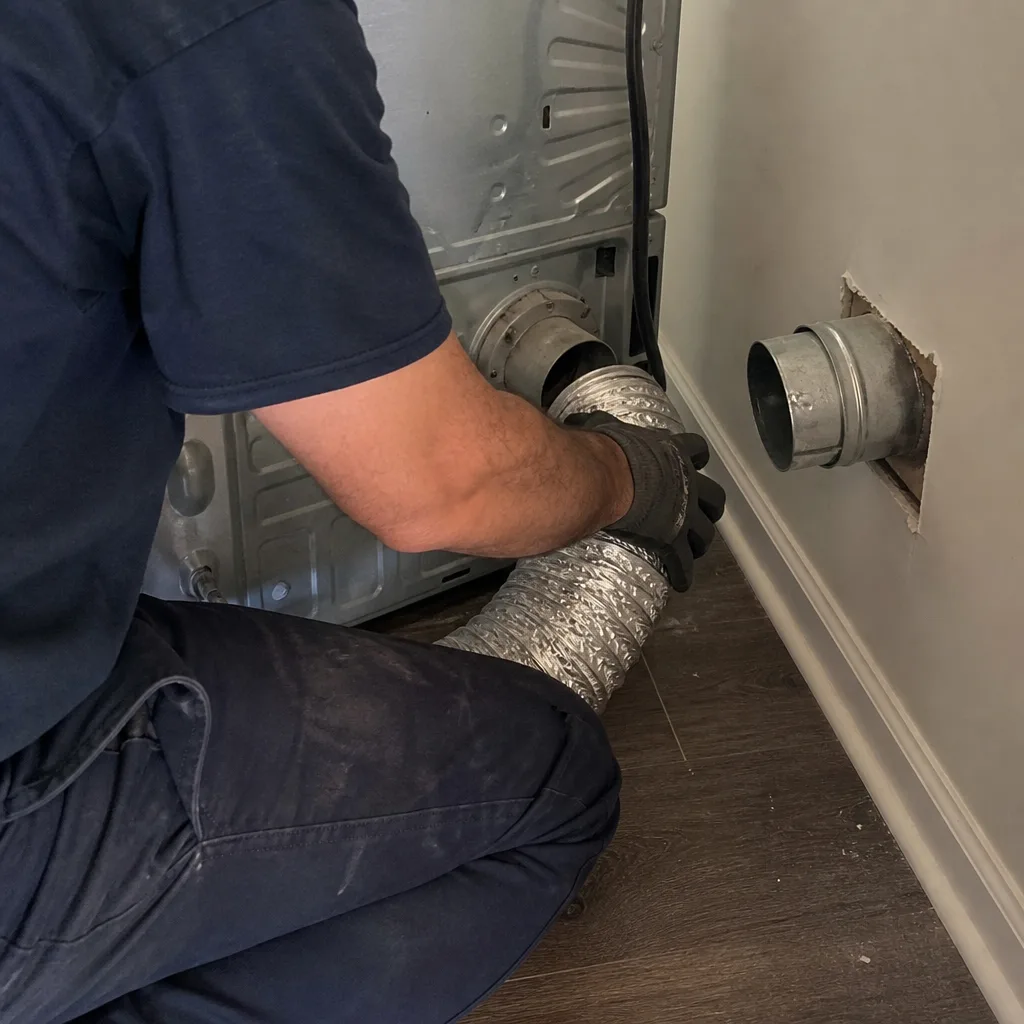
No. Cleaning existing ductwork using negative-pressure extraction, brush systems, or approved sanitizers qualifies as maintenance under the Illinois Mechanical Code and requires no permit in Schaumburg or any Illinois jurisdiction. Call (224) 385-0904 for a free cleaning estimate with written price before work starts.
Residential mechanical permits for duct repair in Schaumburg typically range from $75 to $200, based on project valuation. The Village of Schaumburg Community Development Department calculates fees at permit application. Reputable contractors itemize this cost separately in written proposals. CleanRun includes permit cost identification in every repair referral we provide.
The homeowner assumes liability for code compliance. If discovered during home sale inspection, insurance claim, or neighbor dispute, unpermitted work may require retroactive permitting with exposed inspection, correction of code violations, or removal and replacement. Costs typically exceed original permit fees by 500-1000%. Proper permitting transfers compliance verification to the Village inspector.
Contact the Schaumburg Community Development Department at (224) 385-0904 or visit Village Hall at 101 Schaumburg Court. Request confirmation of current contractor registration, which requires active Illinois licensure, general liability insurance, and workers’ compensation coverage. Registration status can also be verified through the Village’s online permit portal.
Yes, Illinois law allows homeowners to act as their own contractors on their primary residence. However, you remain responsible for code-compliant work and inspector corrections. Most homeowners find the process more efficient when handled by their mechanical contractor, who understands plan requirements, inspection scheduling, and correction protocols. CleanRun provides documented findings that support homeowner permit applications when requested.
Simple duct repair permits without plan review requirements typically issue same-day or next-day. Projects requiring scaled drawings (modifications exceeding 10 linear feet, new branches, fire-rated assembly penetrations) require 5-10 business days for plan review. Inspection scheduling operates on next-business-day availability for requests submitted before 3:00 PM.
The Bottom Line
Air duct cleaning in Illinois operates in a clear regulatory space: no permits, no inspections, straightforward maintenance. The moment repair enters the picture, the framework shifts to mechanical code compliance, licensed contractor requirements, and municipal inspection. Schaumburg’s adoption of the IMC with local amendments creates specific obligations that protect homeowners when followed and expose them when ignored. The documentation gap, not the permit fee, creates the real risk. A $100 permit today prevents a $1,000+ exposure tomorrow. At CleanRun, we’ve built our practice around making this distinction visible: camera documentation of what we find, written identification of what triggers permits, and referrals to contractors who handle code compliance properly. Explore more guides & resources on our blog. The photo record we deliver becomes your permanent documentation, outlasting any contractor, any sale, any claim.
Written by Tomas Reyes, Owner at CleanRun Air Duct Cleaning Schaumburg, serving Schaumburg since 2013.