
Last updated September 23, 2026
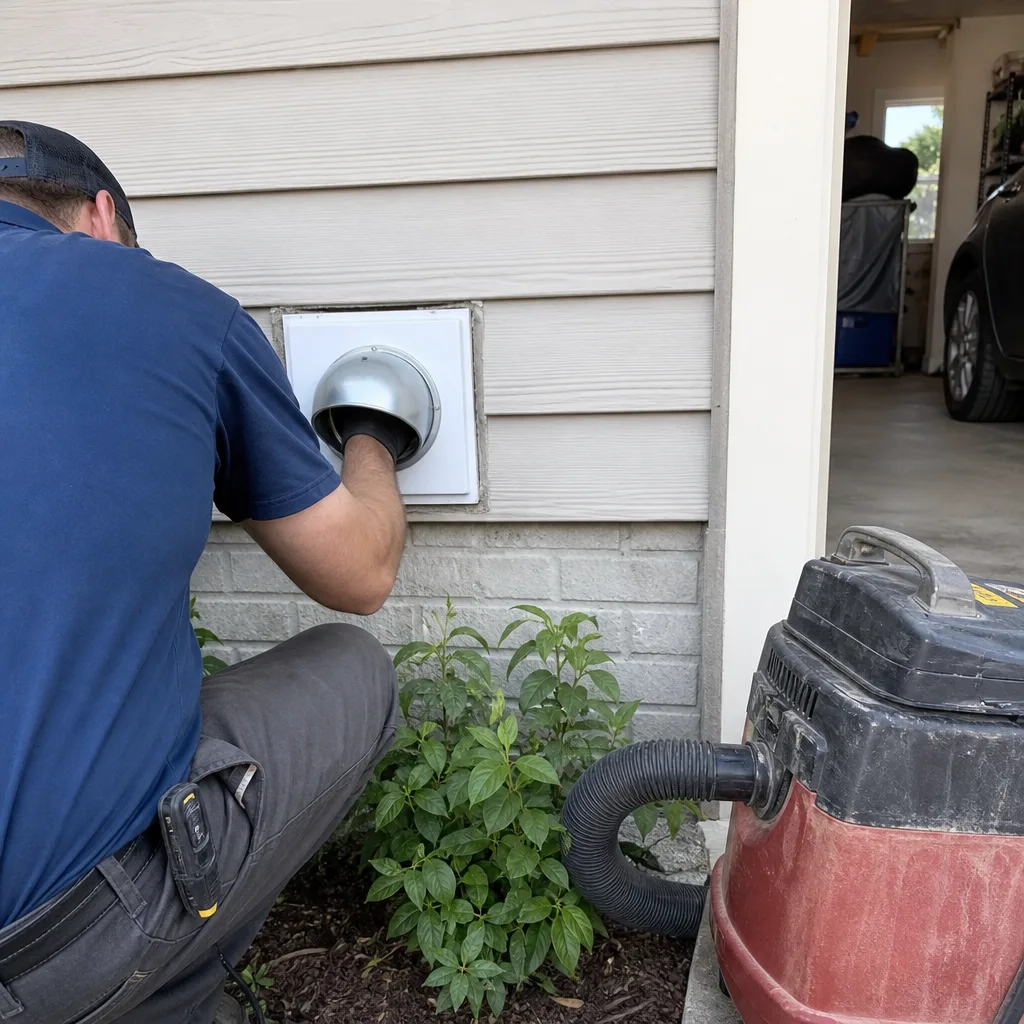
Whole-system duct and dryer vent check with before-and-after photos - you see exactly what came out of your vents
That "$99 whole-house special" is a bait ad - the real number appears once they are in your hallway, or the "clean" is a shop-vac at the register. We photograph the inside of your ducts before and after instead.
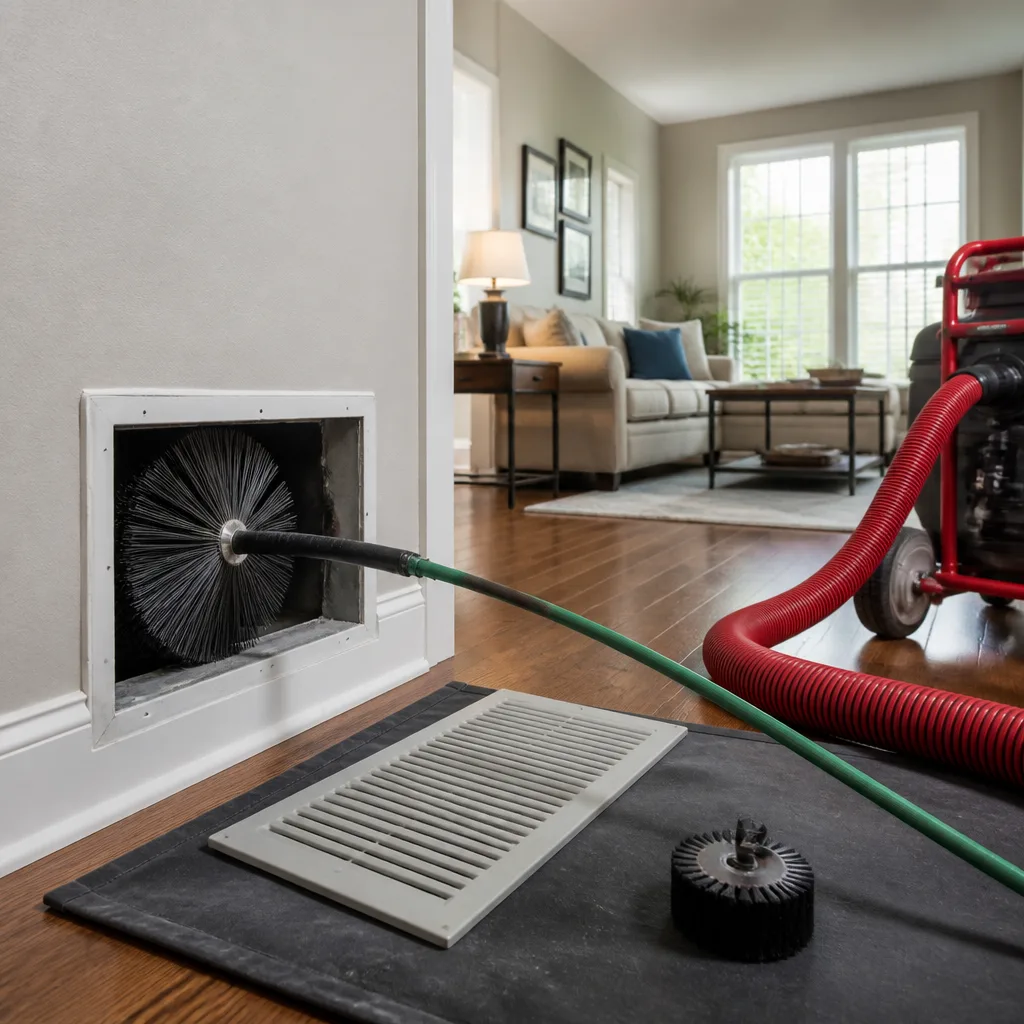
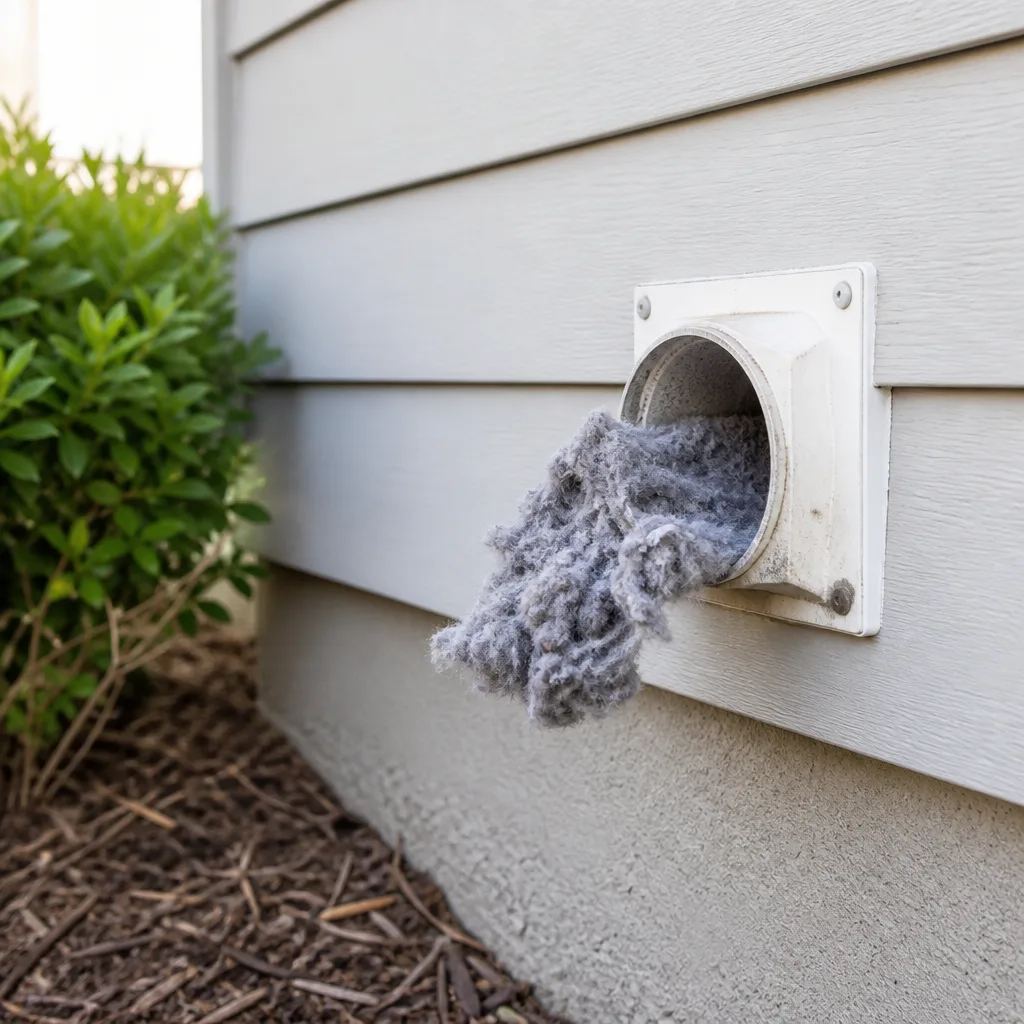
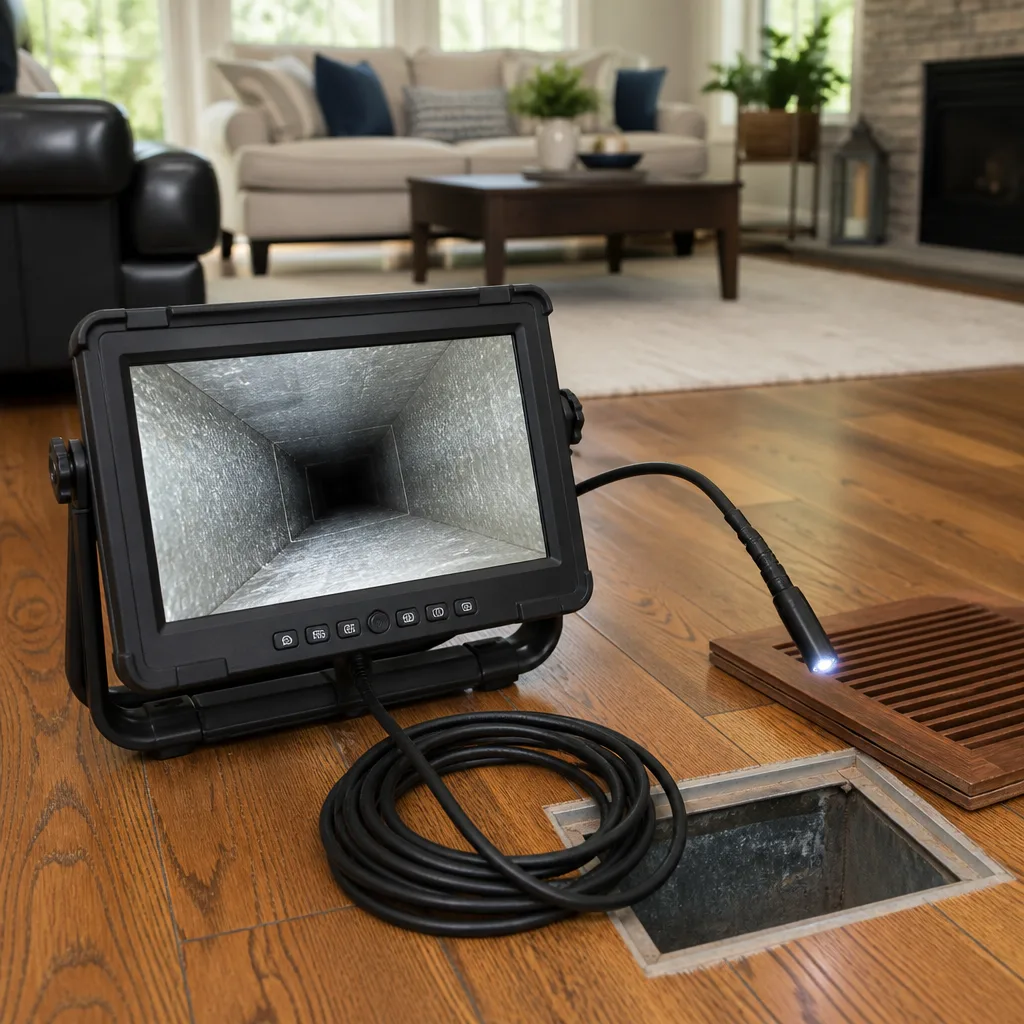
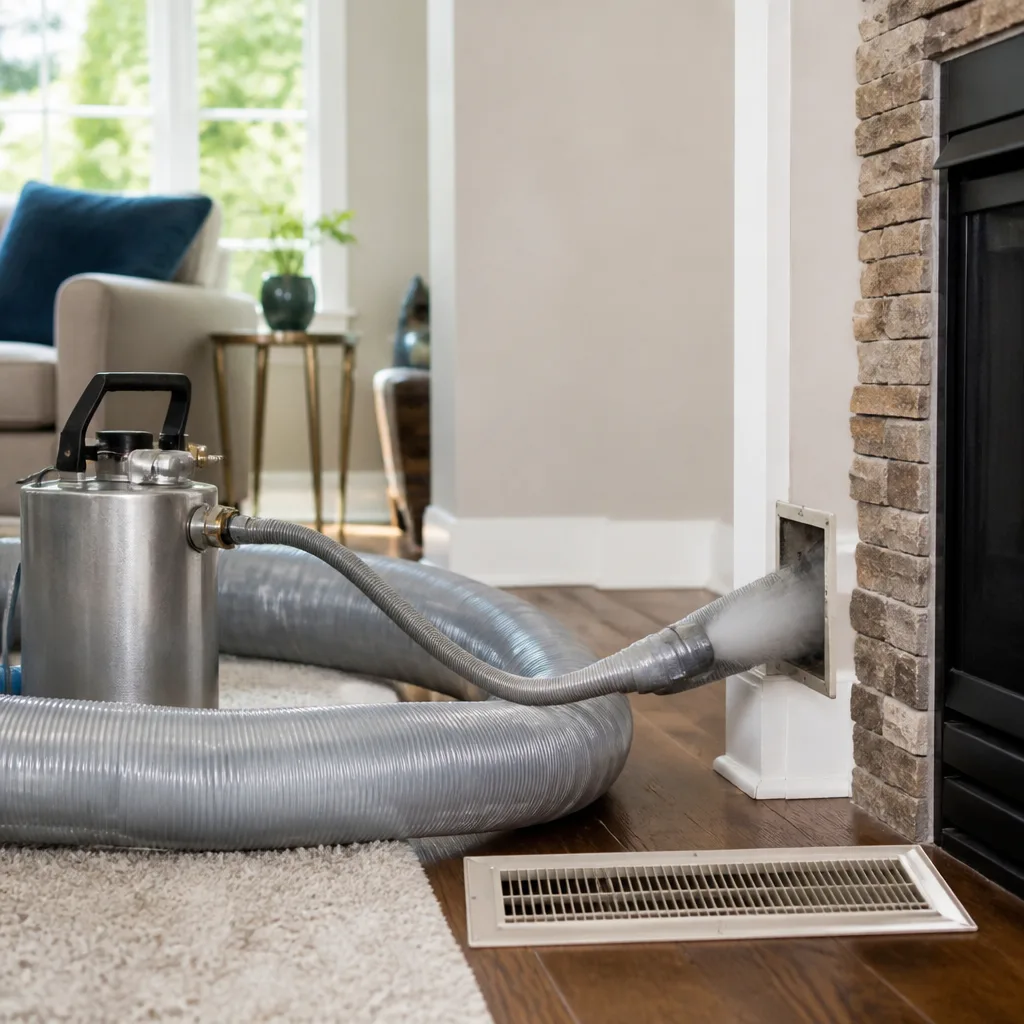
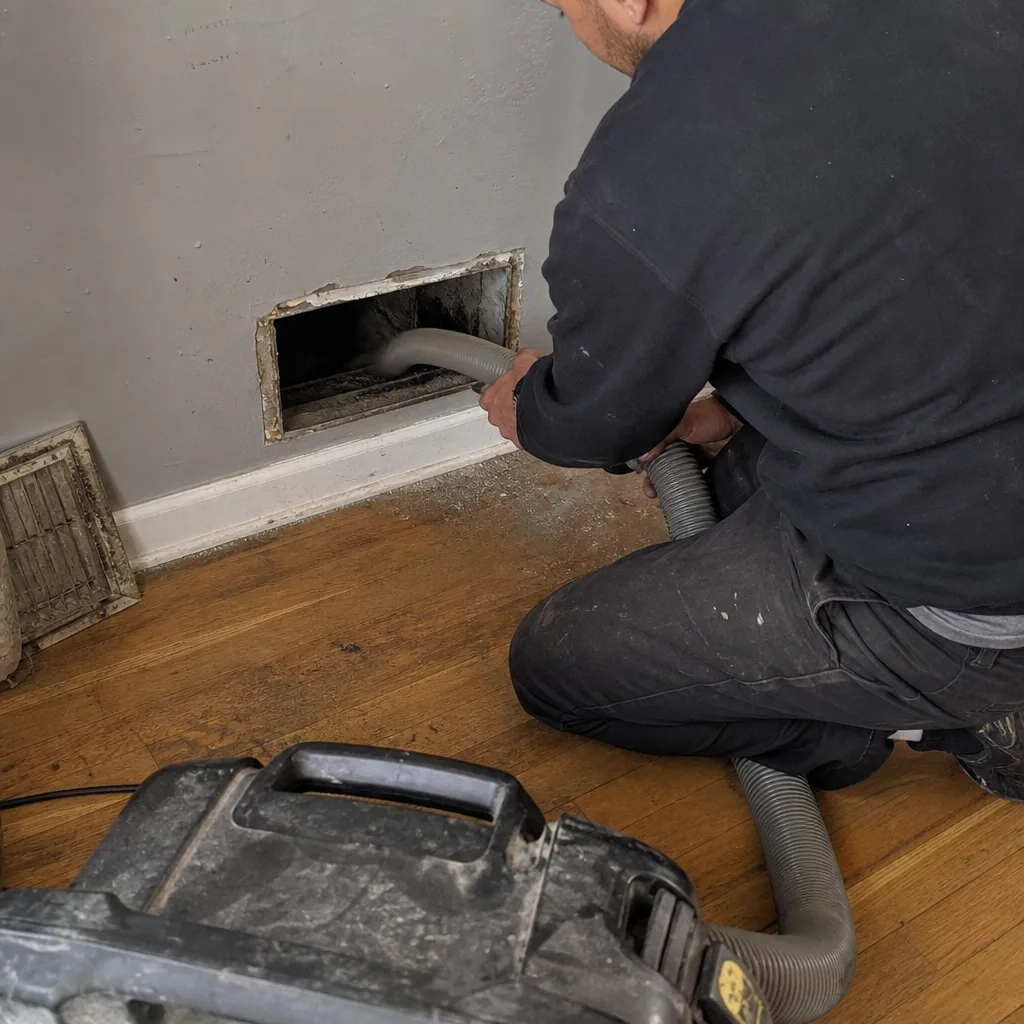 Before
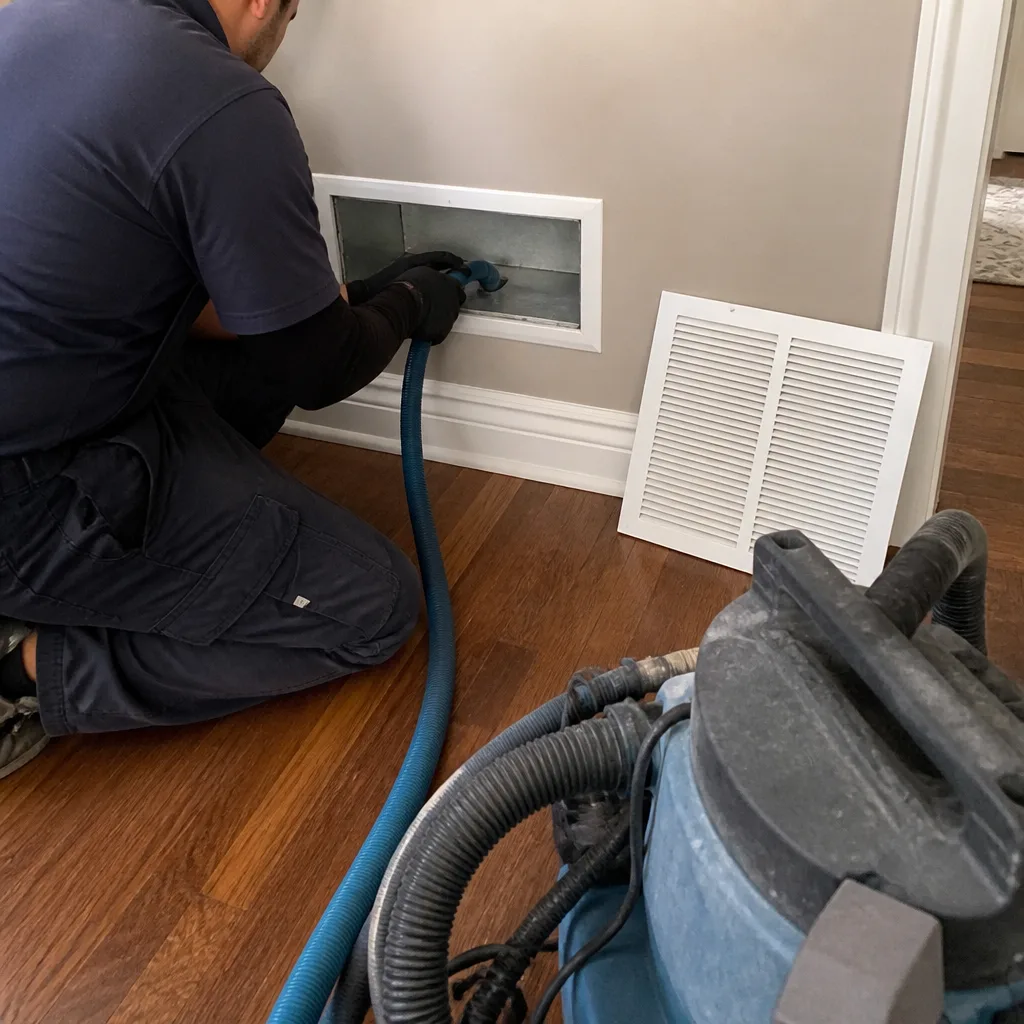 After
After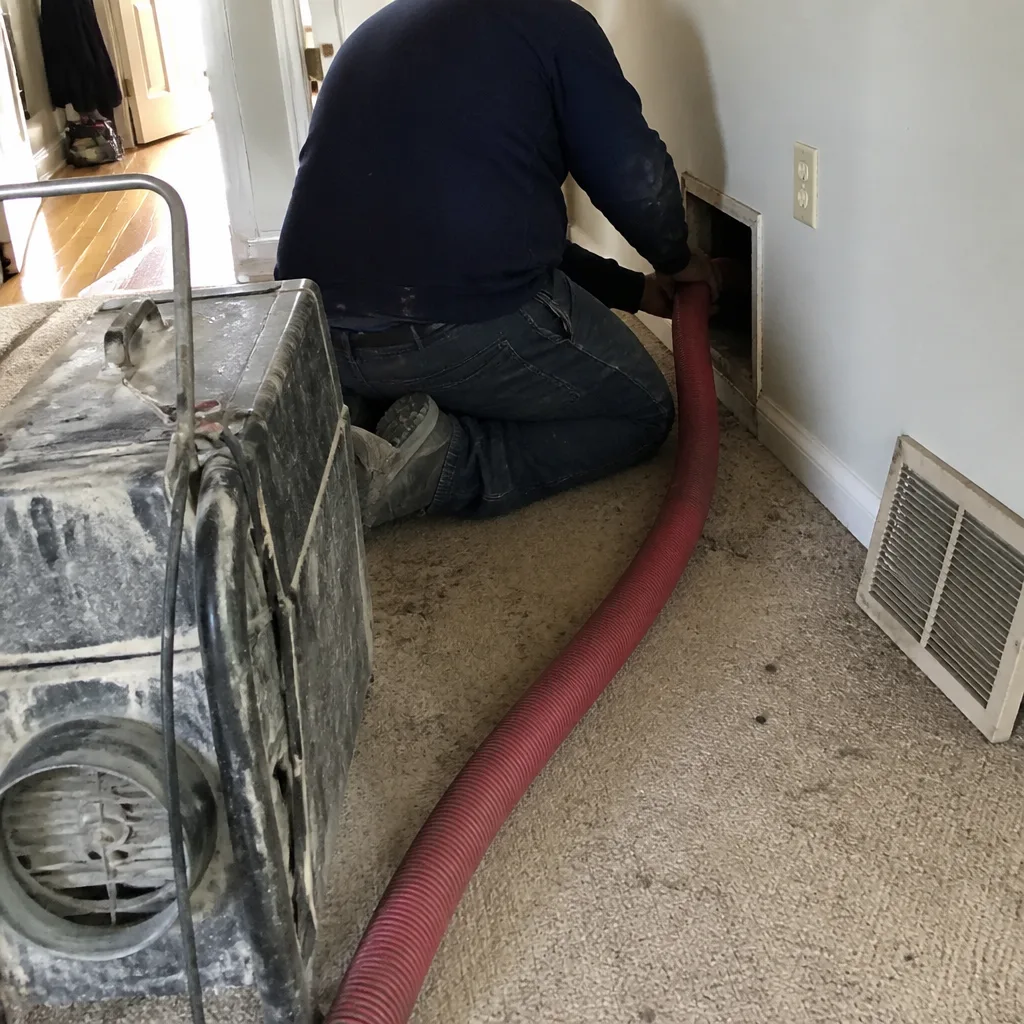 Before
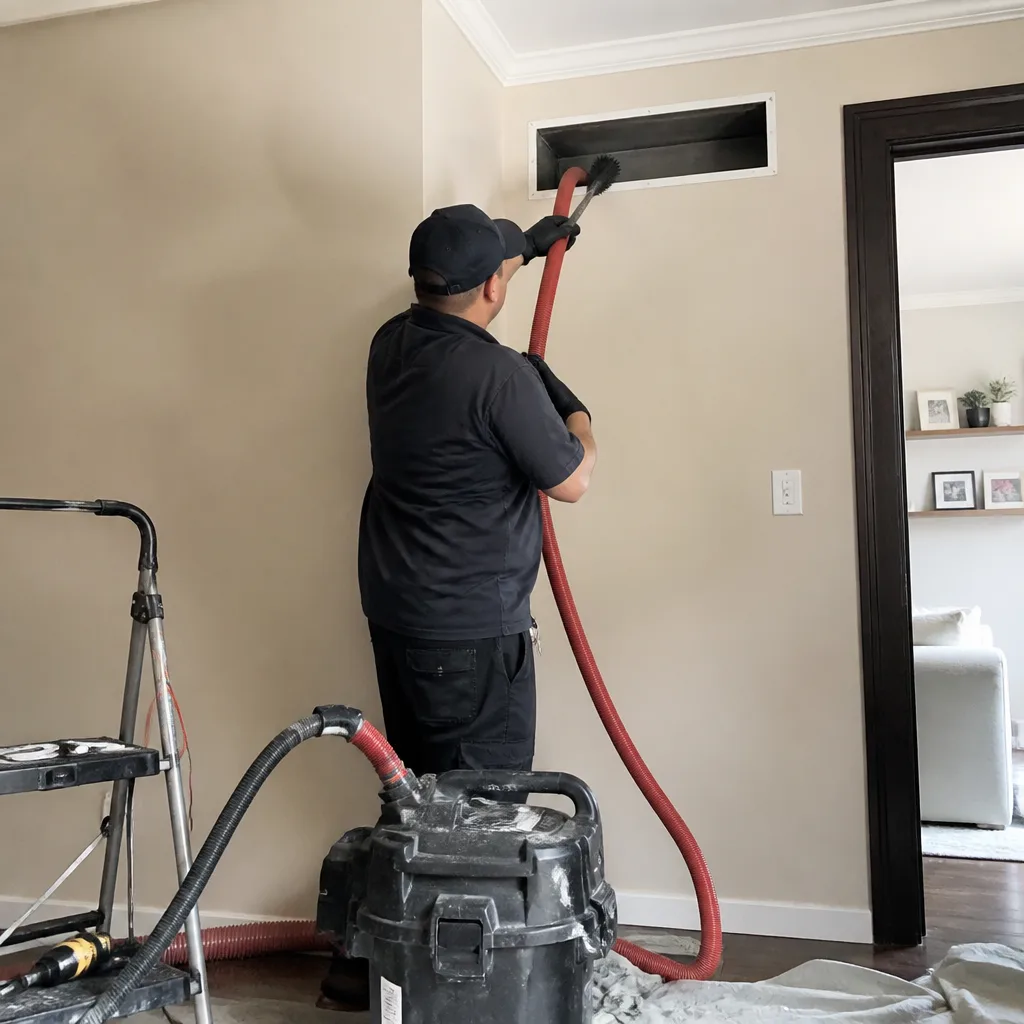 After
After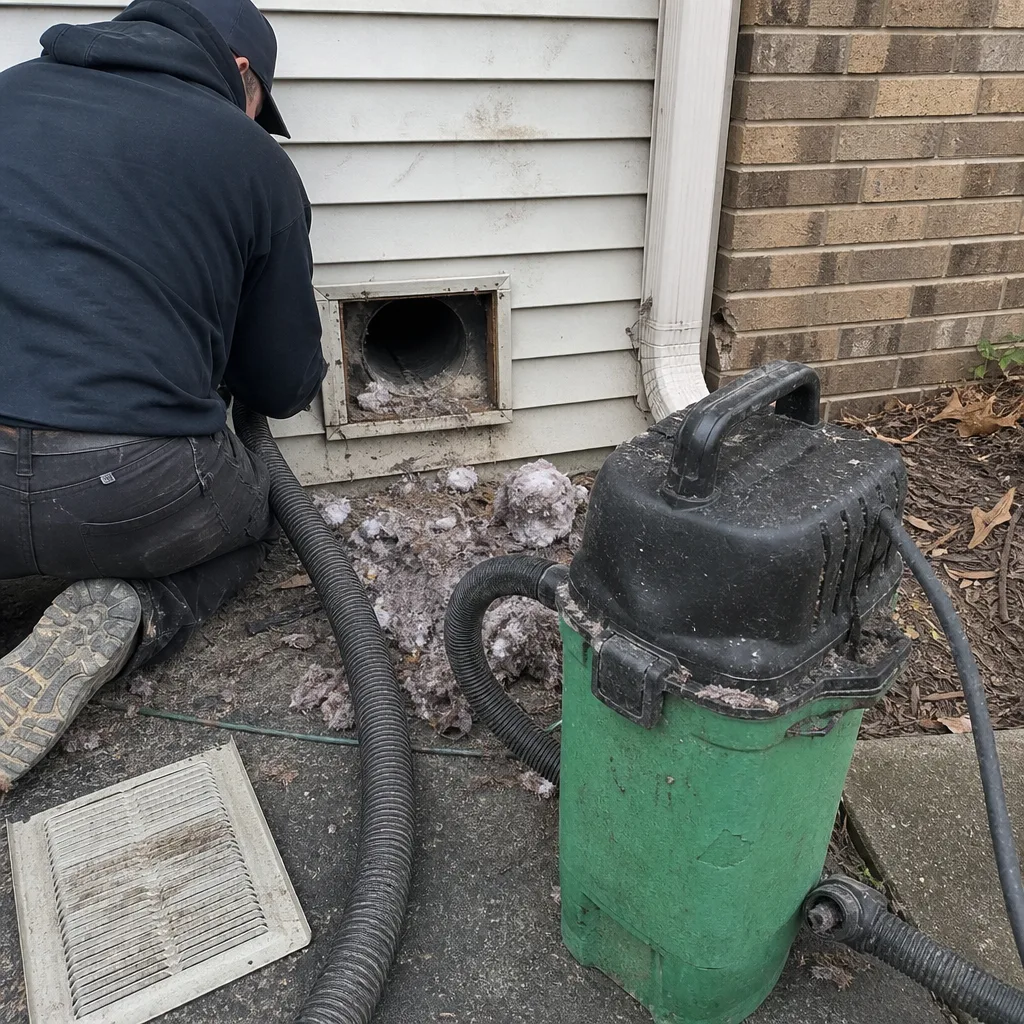 Before
 After
AfterAir Duct Cleaning Warning Signs: A Schaumburg Homeowner’s Reference Guide
Here’s a finding from a job we completed last month in the Weathersfield neighborhood: the homeowner had wiped their supply registers every Saturday for three years, believing the dust meant their ducts were “due for cleaning.” The camera showed the trunk line was nearly clean. The actual problem was a 2-inch gap in the return plenum, the large box that connects the return ducts to the air handler, pulling attic insulation into the airflow. The dust on the registers was a symptom; the return leak was the disease. Most online guides lump every observation into “warning signs,” which wastes money and misses the real fault-unlike our Complete Guide to Air Duct Cleaning in Schaumburg. This guide separates photographable evidence from normal household conditions, explains what each symptom actually indicates about your system, and tells you which inspection to request.
Quick Answer
Air Duct Cleaning warning signs that justify professional inspection in Schaumburg homes include: dust that reappears on supply registers within 48 hours of cleaning while the HVAC runs; visible debris or staining on the evaporator coil face or inside the blower compartment; musty odor that persists during continuous operation rather than only at startup; and rooms that stay more than 4 degrees off the thermostat setting despite open vents. Normal conditions that do not indicate duct problems include slow dust accumulation on register surfaces, brief odor on first seasonal startup, and minor temperature variation on extreme weather days.
Table of Contents
- The 48-Hour Register Wipe Test: Nuisance Dust vs. Active Particle Dispersal
- Musty Odor at Startup vs. During Operation: What Each Pattern Indicates
- Uneven Room Temperatures: Reading the Airflow Map
- Visible Evidence at the Air Handler Cabinet
- Warning Sign Reference: Likely Causes and Diagnostic Steps
- Schaumburg-Specific Factors That Accelerate Duct Problems
- Common Mistakes to Avoid
- When to Call a Professional
- Frequently Asked Questions
BeforeAfterThe 48-Hour Register Wipe Test: Nuisance Dust vs. Active Particle Dispersal
Dust on your supply registers is normal. Every forced-air system moves air, and air carries particles. The question is whether the dust is settling from room air or being actively propelled through the ductwork under pressure.
Nuisance dust accumulates slowly. You notice it after a week or two. It wipes away easily and does not return for several days. This is room air circulating past the register face, dropping particles that were already in your living space. Cleaning the register changes nothing about the duct system.
Active particle dispersal looks different. The dust returns within 48 hours of wiping. You may see a visible puff from the register when the blower first starts. The dust layer is often fine and uniform, suggesting it passed through the duct run rather than settling from above. This pattern points to debris inside the trunk line or supply branches that the airflow is actively stripping and distributing.
Here’s the test any Schaumburg homeowner can perform:
- Choose a supply register in a room you use daily.
- Wipe the face and inside the visible throat with a damp cloth until clean.
- Do not clean again. Run the HVAC normally.
- Check at 24 hours and 48 hours. Photograph the result.
- If dust is visible at 48 hours and the system has run several cycles, you have active dispersal.
What active dispersal indicates depends on what the camera finds. In our work across Schaumburg, from the townhomes near Woodfield Mall to the single-family homes south of Schaumburg Road, we’ve traced this symptom to three common sources:
- Debris buildup at duct elbows and transitions. Air changes direction; particles settle where velocity drops. The first elbow after the plenum is a frequent collection point.
- Deteriorated duct liner. Older flex duct with degraded interior lining sheds particles into the airstream. The material looks like gray fuzz in the photo record.
- Return-side leakage pulling unfiltered air. Gaps in the return ductwork, especially in basements or behind walls, draw attic or crawl space debris into the system. The supply registers show the symptom, but the return side is the cause.
The appropriate diagnostic step is a video inspection of the trunk line and the first 10 feet of each supply branch, plus a smoke test or pressure test of the return ductwork. Request this specifically. A company that only vacuums the registers without inspecting upstream will not solve the problem.
Our Air Duct Cleaning in Schaumburg service includes this inspection as the first step of every job, with the photo record delivered before any work is proposed.
Musty Odor at Startup vs. During Operation: What Each Pattern Indicates
Smell is the most reported and most misdiagnosed duct symptom. The pattern of the odor, not its presence, determines what it means.
Odor only at startup, fading within minutes: This is common in Schaumburg homes at the first heating cycle of November or first cooling cycle of May. Dust and debris that settled on the heat exchanger or evaporator coil during the off-season burns off or moistens. The smell is brief, often described as “dusty” or “stale,” and does not return during continuous operation. This is normal and does not indicate duct contamination requiring cleaning.
Odor that persists or intensifies during continuous operation: This points to active biological growth on surfaces inside the duct system or air handler. The blower keeps air moving across the colony, delivering the metabolite smell continuously. Musty odor during operation is a photographable warning sign that justifies inspection.
What the inspection should target:
- Evaporator coil and drain pan. In cooling mode, the coil runs wet. If the drain pan does not empty completely, or if the coil face is fouled with debris, microbial growth establishes and the blower distributes the odor. In Schaumburg’s humid summer conditions, we see this frequently in systems where the coil has not been accessed for inspection in several years.
- Duct liner in return branches. Fibrous liner near humid air sources, such as return registers in bathrooms or kitchens, can support growth if humidity is chronically high. The odor is musty, sometimes sweet, and consistent.
- Standing water or debris in the plenum. A rare but serious finding. Water intrusion from a roof leak or condensation line backup pools in the plenum. The smell is sharp and unmistakable.
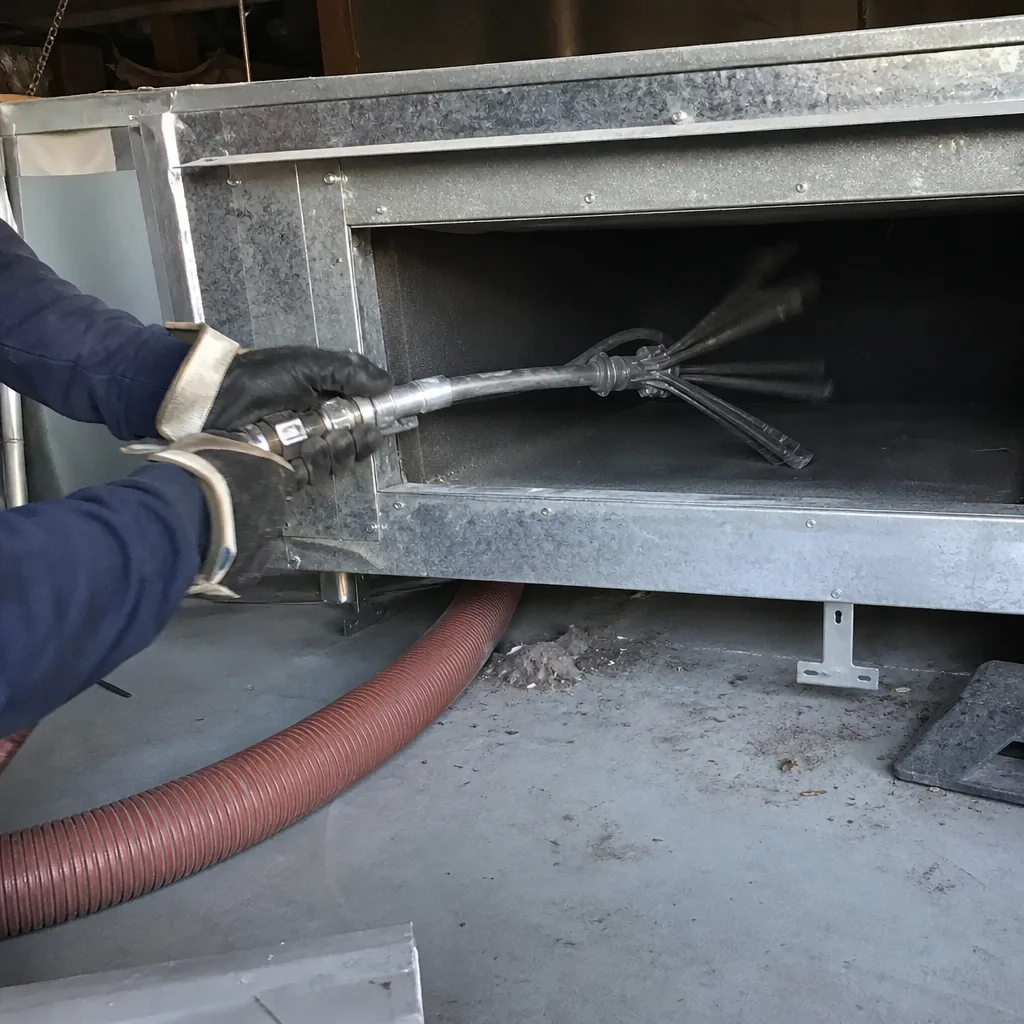
The diagnostic step is visual inspection of the coil, drain pan, and blower compartment, plus video inspection of lined duct sections. If growth is confirmed, cleaning must address the source surface, not just the duct run. Simply vacuuming the trunk line while leaving a fouled coil in place is ineffective.
Our crews document the coil face and blower compartment as part of the standard photo record. Equipment from Abatement Technologies and Guardsman allows us to access and photograph these components without disassembly that would disturb the evidence.
Uneven Room Temperatures: Reading the Airflow Map
A room that runs 4 or more degrees off the thermostat setting, with the register fully open and unobstructed, is telling you something specific about the duct path that serves it. The pattern of which rooms are affected indicates the likely fault.
Single room, second floor, farthest from the air handler: This is often insufficient static pressure to overcome the longest duct run. The cause may be undersized ductwork, excessive elbows, or a blower operating below specification. In Schaumburg’s 1980s and 1990s subdivisions, such as those near Meacham Road and Higgins Road, we’ve found original flex duct that was never properly supported, creating sag points that act as flow restrictions. The diagnostic step is static pressure testing at the air handler and airflow measurement at the affected register.
Multiple rooms on the same branch, all affected similarly: This pattern suggests a disconnection or major leak in the trunk line upstream of those rooms. Conditioned air escapes into the basement, attic, or wall cavity. The rooms receive what’s left. A pressure test of the duct system, or visual inspection at accessible joints, confirms it. In one Schaumburg home near Plum Grove Road, we found a 12-inch trunk line completely separated at a coupling, blowing heated air into the joist bay for two heating seasons before the homeowner called us.
Room that was fine, now suddenly hot or cold: Sudden change indicates mechanical failure, not gradual buildup. Collapsed flex duct, a closed or stuck damper, or a blocked register are the usual causes. The diagnostic step is register-level airflow measurement and, if accessible, visual inspection of the duct run serving that room.
Entire zone or floor consistently off: In homes with zone dampers, a failed actuator or misconfigured bypass damper may be the cause. Without zones, this pattern suggests a major return-side restriction or a blower issue. The air handler itself needs inspection.
Temperature mapping is a diagnostic tool, not a cleaning indicator. Uneven temperatures may indicate duct repair or sealing is needed before or instead of cleaning. Our HVAC Cleaning in Schaumburg service includes airflow measurement and static pressure testing to determine whether the problem is contamination, mechanical fault, or design limitation.
Visible Evidence at the Air Handler Cabinet
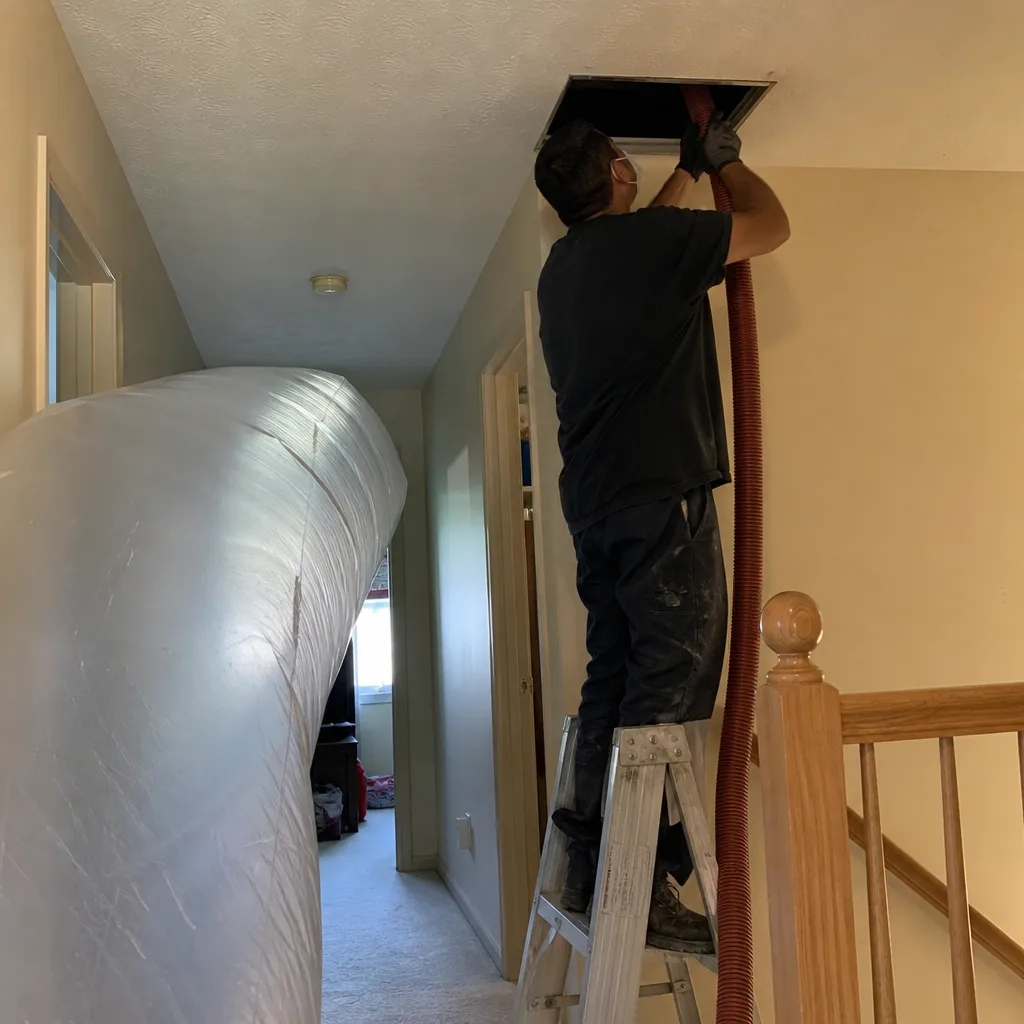
The air handler, the indoor unit that contains the blower and coil, is the heart of the system. Several warning signs visible at this cabinet justify full duct and component inspection.
Dust accumulation on the evaporator coil face: The coil should be clean enough to see light through the fins. Heavy dust or debris on the upstream face indicates that filtration has failed or that return air is bypassing the filter through gaps in the filter rack. The coil acts as a filter, and once fouled, it restricts airflow, reduces efficiency, and can become a growth medium. This is photographable evidence that the return side needs sealing and the coil needs cleaning.
Debris inside the blower compartment: The blower wheel and housing should be clean. Debris here means particles are passing the filter or entering through cabinet leaks. In Schaumburg, where many homes have basement air handlers, we’ve found construction debris from original build-out still circulating decades later, particularly in developments built during the 1990s construction boom.
Visible staining or dust trails at return air seams: Dark streaks at the junction of the return plenum and the air handler cabinet indicate that unfiltered air is being drawn through gaps. This is both a contamination source and an efficiency loss. The diagnostic step is a smoke pencil test at these seams to confirm leakage.
Water stains or rust on the cabinet floor: Indicates drain pan overflow or condensation line blockage. Chronic moisture damages components and supports microbial growth. The diagnostic step is drain line flow testing and pan inspection.
These findings are documented in our standard photo record, delivered to the homeowner as part of every job. The Rotobrush equipment in our fleet allows us to photograph and clean coil faces and blower components without removing the entire assembly, preserving the documentation of what was found.
Warning Sign Reference: Likely Causes and Diagnostic Steps
This table matches each warning sign to its three most likely causes and the specific inspection to request. Use it to direct the conversation with any service provider.
| Warning Sign | Most Likely Cause 1 | Most Likely Cause 2 | Most Likely Cause 3 | Inspection to Request |
|---|---|---|---|---|
| Dust reappears on supply registers within 48 hours | Debris buildup at duct elbows | Return-side leakage pulling unfiltered air | Deteriorated duct liner shedding particles | Video inspection of trunk line and supply branches; smoke test of return ductwork |
| Musty odor during continuous HVAC operation | Microbial growth on evaporator coil | Contaminated duct liner in humid return branches | Standing water in plenum from drain line backup | Visual inspection of coil, drain pan, blower compartment; video of lined duct sections |
| Single room 4+ degrees off thermostat | Undersized or restricted duct run | Collapsed or sagging flex duct | Blower operating below specification | Static pressure test at air handler; airflow measurement at affected register |
| Multiple rooms on same branch affected | Disconnection in trunk line upstream | Major leak at duct coupling | Closed or stuck zone damper | Pressure test of duct system; visual inspection at accessible joints |
| Sudden temperature change in one room | Collapsed flex duct | Closed or stuck damper | Blocked register or grille | Register airflow measurement; visual inspection of duct run if accessible |
| Dust accumulation on evaporator coil face | Filter bypass through rack gaps | Failed or missing filter | Return duct leakage upstream of filter | Filter rack inspection; smoke test at return seams; pressure test |
| Debris inside blower compartment | Return-side leakage bypassing filter | Inadequate filtration for household conditions | Construction debris still circulating from original build | Visual inspection of blower; return duct pressure test; filter efficiency assessment |
| Water stains or rust on cabinet floor | Drain pan overflow | Condensation line blockage | Air handler sweating from excessive humidity | Drain line flow test; pan inspection; humidity measurement |
Requesting the specific inspection, not just “a duct cleaning,” ensures you receive a diagnosis rather than a vacuuming. At CleanRun Air Duct Cleaning Schaumburg, the inspection and photo record are the first step of every job, delivered under Haven Standard Clause 1: Written Price Before Any Work Starts. For more guides & resources, visit our blog.
Schaumburg-Specific Factors That Accelerate Duct Problems
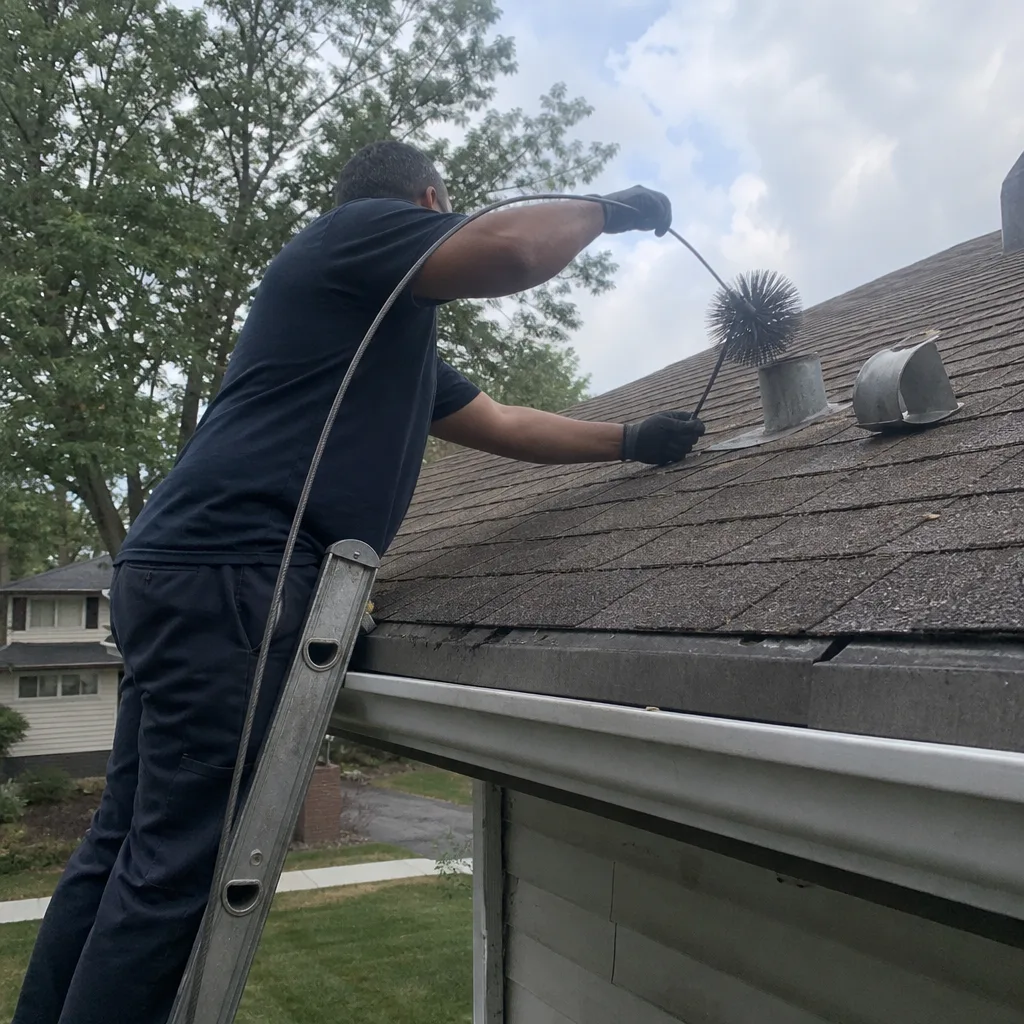
Schaumburg’s housing stock and climate create conditions that make certain duct problems more common here than in other markets. Understanding these factors helps interpret warning signs correctly.
Age and construction era of housing. Schaumburg’s rapid growth from the 1970s through the 1990s produced thousands of homes with flex duct systems that are now reaching end of functional life. The flex duct of that era, particularly in subdivisions near Roselle Road and Wise Road, was often installed with minimal support, creating sag points that collect debris and restrict airflow. A home built in 1987 with original ductwork is not unusual here, and the duct material itself may be deteriorating.
Seasonal humidity swings. Schaumburg summers average 70% relative humidity, with peaks above 80%. This moisture loads the evaporator coil and can sustain microbial growth if the drain system is imperfect. Winters are extremely dry, which causes duct liner to become brittle and shed particles. The seasonal alternation stresses different components.
Basement air handler configuration. Many Schaumburg homes have the air handler in a conditioned or semi-conditioned basement, with the return plenum running through the joist bay. This configuration is efficient but makes return-side leaks hard to detect without specific testing. The homeowner sees supply register symptoms; the cause is hidden in the basement ceiling.
Local code and permit history. Schaumburg requires permits for HVAC modifications but not for duct cleaning. However, any duct repair or sealing that involves material replacement may trigger inspection requirements. We coordinate permit compliance when repair work is needed, documented in the written scope before work begins.
Proximity to construction and road dust. Ongoing development near the I-90 corridor and along Schaumburg Road introduces additional particulate load to homes in those areas. We’ve measured higher debris accumulation rates in supply systems for homes within a quarter-mile of active construction, particularly when windows are opened during mild weather.
These factors do not change the diagnostic approach, but they raise the prior probability of certain findings. A musty odor in a 1985 Schaumburg ranch with a basement air handler is more likely to indicate coil or drain pan issues than the same symptom in a 2015 home with an attic air handler and secondary drain pan.
Common Mistakes to Avoid
- Interpreting slow dust accumulation as a duct problem. Dust settles on registers over weeks. This is room air doing what room air does. The 48-hour test distinguishes normal from abnormal.
- Scheduling duct cleaning after brief seasonal startup odor. The first-cycle smell is burn-off or moisture reactivation, not contamination. Cleaning does not prevent it and wastes money.
- Accepting a per-vent price without system inspection. The number of vents is not the measure of work required. A system with severe trunk line debris needs different scope than one with minor register dust. We provide one flat price per system, agreed in writing before work starts.
- Ignoring temperature symptoms until they become extreme. A room that runs 3 degrees off in mild weather may run 8 degrees off in a polar vortex. The underlying fault, whether disconnection or restriction, worsens under load.
- Assuming new homes have clean ducts. Construction debris, including drywall dust, wood scraps, and fastener debris, frequently remains in new duct systems. We have documented this in Schaumburg homes built as recently as 2022.
- Treating duct cleaning as a standalone solution for HVAC problems. Cleaning addresses contamination. It does not repair disconnections, replace failed dampers, or correct undersized ductwork. The inspection must precede the scope.
- Failing to request documentation. Without before-and-after photos of the actual duct interior, you cannot verify that work was performed or evaluate its completeness. Our Documented Photo Record on Every Visit, a practice held since 2013, delivers this as a standard deliverable.
When to Call a Professional
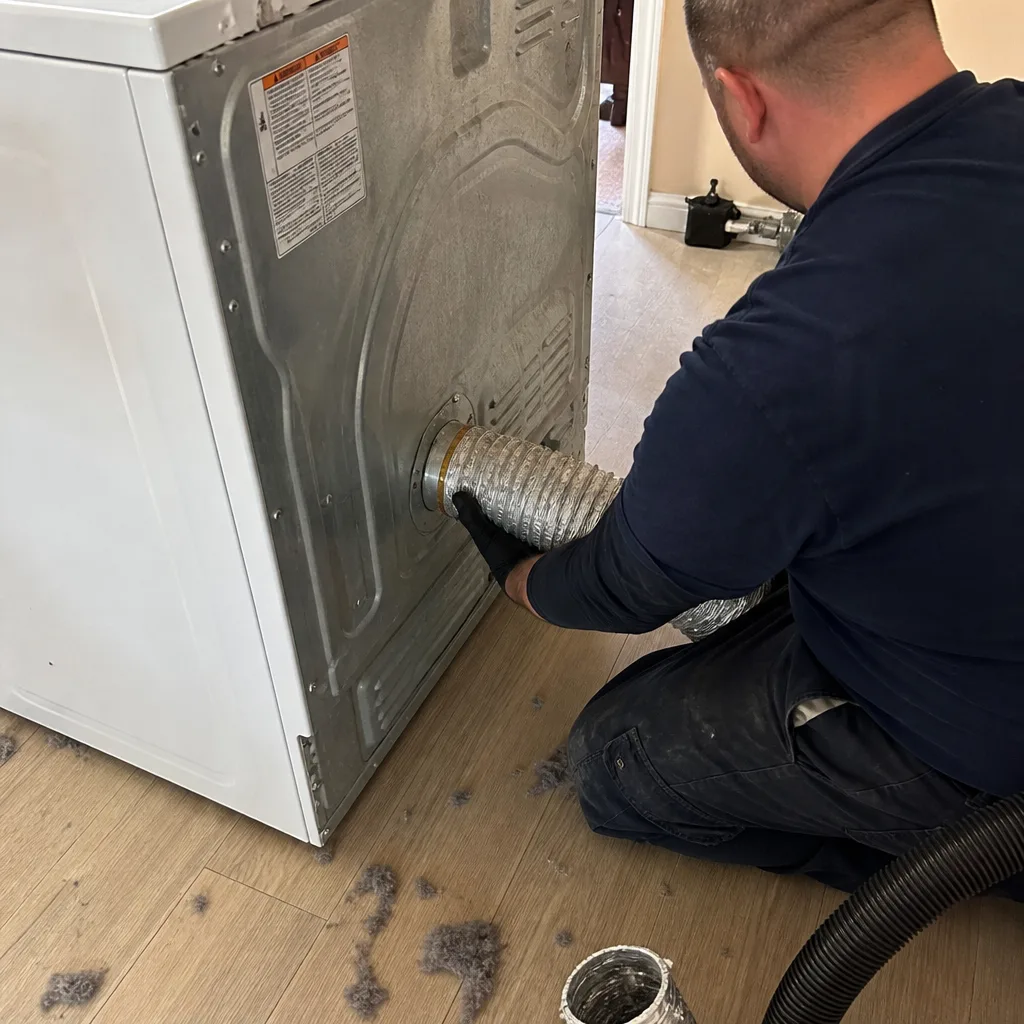
Call for inspection when you have confirmed active particle dispersal through the 48-hour register test, persistent odor during HVAC operation, temperature variation exceeding 4 degrees with open vents, or any visible evidence at the air handler cabinet. These are photographable, diagnosable conditions that justify professional evaluation.
Do not call for duct cleaning alone when you have slow dust accumulation, brief seasonal startup odor, or minor temperature variation on extreme weather days. These are normal conditions that cleaning will not change.
CleanRun Air Duct Cleaning Schaumburg offers free estimates in Schaumburg. Every estimate includes inspection, photo documentation of findings, and a written price before any work is proposed. Call (224) 385-0904 to schedule. We also provide a CleanRun Air Duct Cleaning Schaumburg home base with full service descriptions.
Frequently Asked Questions
Whole-system air duct cleaning for a typical Schaumburg home ranges from $450 to $850, depending on system size, accessibility, and contamination level. This is a flat price per system, agreed in writing before work begins, with no per-vent add-ons or post-arrival upsells. Call (224) 385-0904 for an exact quote. Estimates are free.
The $79 to $149 coupon offers typically cover a brief vacuuming of accessible register faces, not full system cleaning. The crew arrives, identifies “additional problems,” and the final invoice reaches or exceeds the range we quote upfront. We do not use this model. Haven Standard Clause 1 requires a written price before any work starts, every time, with no exceptions.
Request a documented photo record of the inside of every duct run, before and after. This is standard on every CleanRun job, delivered to you as part of the job record. If a provider cannot or will not produce this documentation, the work cannot be verified.
For most Schaumburg homes with standard fiberglass filters and no pets, every 5 to 7 years is sufficient. Homes with multiple pets, recent renovation, or occupants with respiratory sensitivity may need more frequent service. The 48-hour register test and visual inspection at the air handler are better guides than the calendar.
Yes. The high summer humidity supports microbial growth on coil and liner surfaces if drainage is imperfect. The dry winter air makes older duct liner brittle and prone to shedding. Seasonal extremes here stress different components, so inspection criteria matter more than a fixed schedule.
Register surfaces and the visible throat behind the grille can be cleaned by a homeowner. The trunk line, plenum, and branches require professional negative-pressure extraction equipment and access tools. More importantly, without video inspection, you cannot determine whether cleaning is the appropriate response or whether repair, sealing, or component replacement is needed. We do not recommend DIY duct cleaning as a substitute for professional diagnosis.
The Bottom Line
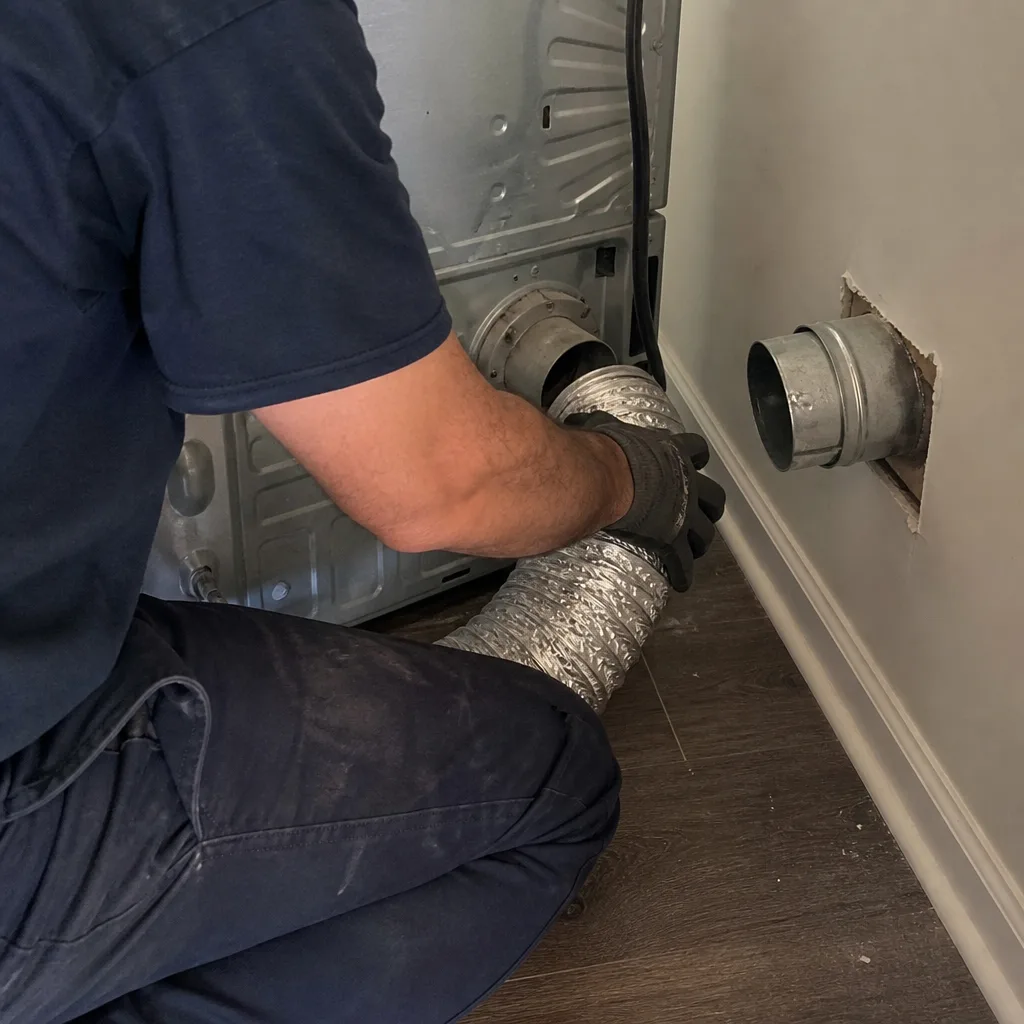
Most “warning signs” described online are normal household conditions that cleaning will not change. The photographable evidence that justifies professional inspection is specific: dust that reappears within 48 hours on supply registers, musty odor that persists during continuous HVAC operation, room temperatures more than 4 degrees off with open vents, and visible debris or staining at the air handler cabinet. Each symptom points to a specific set of likely causes and a specific diagnostic step. Request the inspection, not just the cleaning. Demand documentation of what was found and what was done. And never agree to work without a written price that names exactly what is included.
Written by Tomas Reyes, Owner at CleanRun Air Duct Cleaning Schaumburg, serving Schaumburg since 2013.